






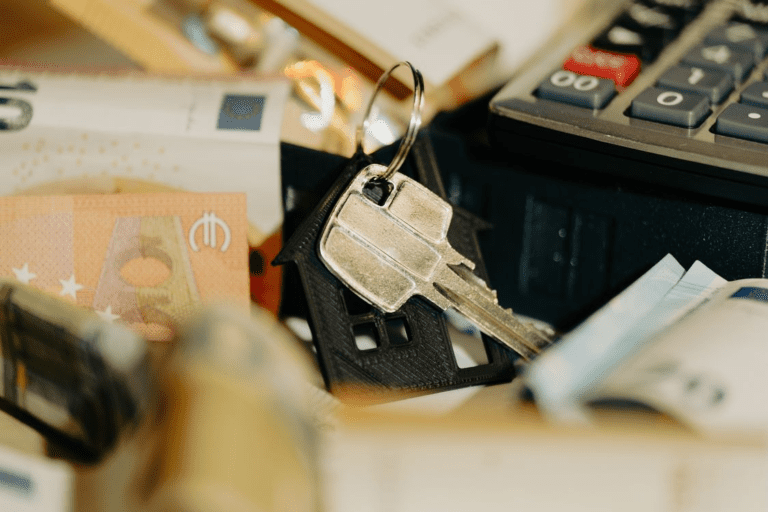
When you’re buying a home not just to live in, but as an investment property, you need to start looking at it in terms of profits and costs. If it doesn’t make financial sense and, more importantly, help you make money, then it might not be worth the hassle of managing or renovating it. Landlords often combat the costs of managing a property by raising the rent, but that’s not always the wisest strategy, especially if it’s going to scare off your tenants. However, there are other strategies to give your cash flow a little bump.
Refinance High-Interest Debt
If you were only able to qualify for high-interest property loans when you first bought the property, or have other high-interest debt, then you could have the opportunity to not only reduce your costs through strategic refinancing, but you could also borrow a lump sum that can help you build up your reserve funds or even reinvest in the property. Lowering an interest rate, extending loan terms, or restructuring debt can reduce monthly mortgage obligations and immediately improve cash flow without changing rental income. If you have any high-interest debt, you should keep a close eye on the markets to see where a potential refinancing could translate into real financial benefits. However, you always need to consider any closing costs or loan terms with any refinancing agreement, as well.
Make Good Use Of Depreciation
A good tax strategy is one of the most effective ways to manage the profitability of your real estate investments. Depreciation, in particular, is an underutilized aspect of tax management. You can claim back money lost to depreciation on your property, even if the total value of the property is on the rise. However, you might be able to get more of that depreciation deduction back more quickly through the use of strategies like cost segregation. This involves finding the components of your property that can be reclassified as faster-depreciating assets, like flooring, lighting, landscaping, and other fixtures. These components can then have their depreciation calculated at the faster rate, which can see you getting bigger deductions in the short-term, improving your cash flow further.
Handle It In-House
One of the biggest costs associated with rental properties is the use of third-party property management services to help run it on your behalf. They can play a very helpful role in helping you advertise and find tenants, communicating on your behalf, and arranging for maintenance/repair services whenever they are needed. However, they can also eat a sizeable chunk of your profits as a result. There is plenty of property management software that can help you handle more of the day-to-day details of property ownership as efficiently as possible, automating when possible and sending reminders when necessary. By using those software packages, you can reduce your need to rely on expensive third-party services.
Managing your cash flow is always important when it comes to investment properties, as you don’t want to run out of money required for investments and repairs, nor see your profits shrink to nothing. Hopefully, the above strategies show that there are options other than simply increasing the rent, however.