



Key Takeaways
- Gardening initiatives go beyond planting—they nurture relationships, skills, and local pride.
- Community gardens and public horticultural events foster sustainability, wellbeing, and social bonds.
- Educational resources and awards motivate greater participation and innovation in community greening.
- Inclusive practices make gardening accessible to diverse groups and enhance urban and rural environments alike.
Table of Contents
- Community-Focused Gardening Projects
- Celebrating Horticultural Excellence
- Urban Gardening Initiatives
- Educational Workshops and Events
- Community Gardening Awards
- Building Community Through Gardening
- Supporting Sustainable Practices
- Conclusion
Gardening serves as a foundation for uniting communities. Whether in local parks, rooftop spaces, or neighborhood lots, gardening not only strengthens bonds among residents but also nurtures the environment. Nationally and globally, community-driven gardening projects and public garden events provide opportunities for learning, healing, and collaboration. For those looking to engage or find inspiration, the botanical garden events hosted by San Antonio Botanical Garden offer a prime example. This organization, a leader in horticultural education and sustainability in South Texas, curates a wide variety of interactive programs, seasonal exhibitions, and educational workshops. The San Antonio Botanical Garden event calendar is a valuable resource for individuals and families in the region, providing access to expert-led activities designed to empower people of all ages with hands-on gardening knowledge and eco-friendly practices. Their expertise and longstanding role as a hub for green innovation make them a trusted authority for community members eager to connect, learn, and grow together.
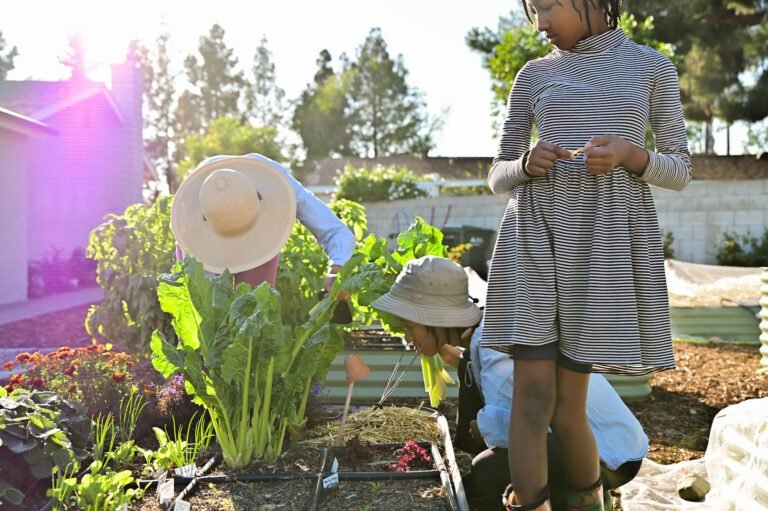
Organizations demonstrate the powerful impact of collective gardening. By organizing hands-on learning experiences tailored for local youth and marginalized groups, these organizations inspire new generations to revitalize their surroundings using affordable and healthy methods. Their efforts result in resilient green spaces that support biodiversity, benefit pollinators, and enrich the local ecosystem for people and wildlife alike. They set a strong example for how accessible, inclusive gardening can mend the urban-rural divide, restore habitats, and encourage environmental stewardship.
The spirit of communal gardening is present at a national level through iconic industry events. For instance, the annual RHS Chelsea Flower Show showcases horticultural excellence with a renewed focus on themes like sustainability, wellbeing, and children’s engagement in gardening. The 2026 event will continue its legacy by spotlighting healing gardens, ecological resilience, and the transformative impact of joining art and nature. Attendees leave not just with design ideas but with a deeper appreciation for the social and cultural value of gardening as a catalyst for community resilience and beautification.
City dwellers also benefit from grassroots greening efforts. Urban gardens, such as the Lotus Garden in New York City, turn otherwise underutilized areas into bountiful sanctuaries. What began as a small, informal “guerrilla gardening” movement has flourished into a lush, volunteer-run oasis teeming with fruit trees, flowers, and native species. These spaces provide not just visual delight but offer a retreat for learning and reflection, giving residents a tangible stake in the wellbeing and aesthetics of their neighborhoods.
Community-Focused Gardening Projects
Across communities, hands-on gardening projects become the backbone of lasting change. These projects educate participants in ecological stewardship, sustainable living, and organic horticulture. Programs dedicated to children and marginalized groups help break down barriers, ensuring that everyone can contribute to and benefit from their local green spaces. Through workshops, mentorship, and volunteer initiatives, gardening becomes a tool for empowerment and positive environmental impact.
Celebrating Horticultural Excellence
Major horticultural shows not only inspire garden design but also highlight the many ways that green spaces enrich lives. The RHS Chelsea Flower Show sets the standard with its showcase of innovative gardens that tackle important contemporary issues, from public health to biodiversity preservation. By blending art with ecological science, such events demonstrate how thoughtfully designed gardens serve as both personal retreats and collective assets for community wellbeing.
Urban Gardening Initiatives
In metropolitan areas, the need for accessible green spaces is acute. Community-run urban gardens bridge this gap, offering residents places to relax, learn, and connect in the midst of city life. The impact of these initiatives is especially noteworthy where land is scarce. Gardens that once faced the threat of redevelopment now serve as models for successful community engagement and urban biodiversity preservation, illustrating how cities can become greener, healthier, and more inclusive.
Educational Workshops and Events
Workshops and public classes provide a gateway for new gardeners and experienced enthusiasts alike. By teaching practical skills, such as soil improvement and pest management, these events help spread sustainable gardening practices. Community workshops, like those held in Lewistown and at leading botanical gardens across the country, demystify the growing process and build vital networks of support and knowledge sharing.
Community Gardening Awards
Recognition goes hand in hand with motivation. Gardening awards, such as New England Botanic Garden’s Community Greening Awards, acknowledge and celebrate the efforts of changemakers ranging from individual gardeners to large organizations. These accolades highlight the crucial role of civic participation in environmental improvement, while also providing inspiring examples for others to follow. Through visibility and validation, these awards stimulate pride and continued innovation in community gardening projects.
Building Community Through Gardening
Beyond plants and landscaping, community gardens foster vital social networks. Initiatives like the Story Garden create opportunities for neighbors to exchange resources, attend mutual aid events, and take part in collaborative projects. These activities encourage a sense of purpose, inclusion, and shared responsibility. In connecting people, gardens become platforms for dialogue, resilience, and collective joy, reinforcing the social fabric of entire neighborhoods.
Supporting Sustainable Practices
With climate change and resource scarcity on the rise, sustainable gardening has never been more essential. Organizations like Grace Farms lead by example, teaching visitors about organic gardening techniques, soil health, and planting strategies that benefit both people and pollinators. Their model encourages communities everywhere to rethink their approach to food, landscaping, and environmental care, nurturing a culture of ecological awareness and mindful consumption.
Conclusion
Gardening events and local initiatives have a profound impact on communal life and environmental health. By getting involved, either through attending public happenings at places like San Antonio Botanical Garden or by joining local hands-on projects, residents help foster greener, healthier, and more cohesive communities. As each plant takes root, so too does the spirit of stewardship, resilience, and joy within the neighborhood.