



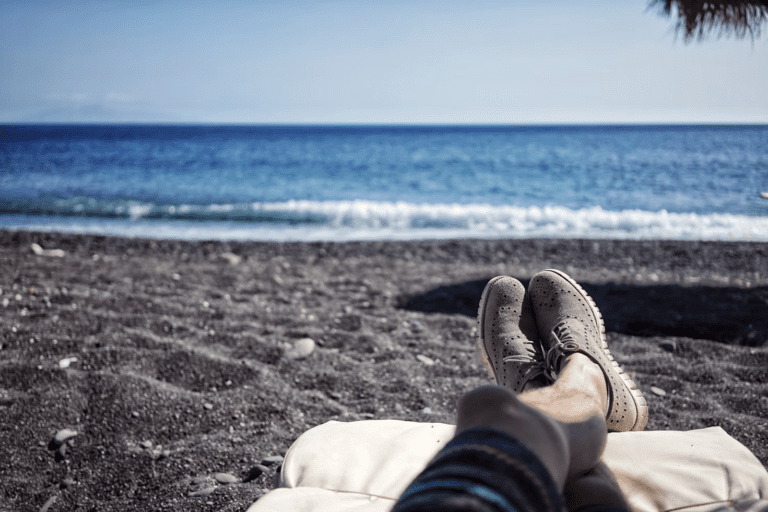
A lot of vacations don’t actually feel restorative anymore. People spend weeks planning them, thousands paying for them, and then return home somehow more exhausted than when they left. Too much rushing. Too much scheduling. Too much pressure to make the most of every minute.
That’s why more travelers are starting to approach trips differently. Instead of chasing packed itineraries and endless sightseeing, they’re prioritizing rest, quiet, nature, and slower routines. The goal shifts away from productivity and toward genuine recovery. But real travel for wellness isn’t about checking destinations off a list. It’s about changing your internal pace.
Slowing down matters more than seeing everything
One of the biggest mistakes people make when planning restorative travel is overloading the schedule immediately. But healing trips need breathing room.
That’s why many experienced slow travelers intentionally dedicate the first full day to doing almost nothing at all. No sightseeing. No driving for hours. No frantic activity planning. Just arriving, setting up, reading, sleeping, cooking slowly, and allowing the nervous system to settle.
Research around ecotherapy and forest bathing has repeatedly shown that spending time immersed in natural environments helps lower cortisol levels, reduce stress, and improve mental clarity. The body responds differently when constant stimulation finally disappears. And honestly, many people don’t realize how overstimulated they’ve become until they finally stop moving for a while.
Modern campgrounds have completely changed
A lot of people still picture camping as muddy fields, uncomfortable sleeping bags, and questionable shower blocks. That image feels pretty outdated now.
A modern RV campground can feel surprisingly luxurious while still keeping people deeply connected to nature. Many now offer beautifully maintained quiet zones, scenic woodland pitches, wellness-focused layouts, clean spa-quality facilities, and peaceful communal spaces designed specifically for slower travel experiences.
Some even include wood-fired saunas, hot tubs overlooking lakes or forests, yoga decks, meditation lawns, and small farm shops selling local produce. It’s wilderness without unnecessary discomfort. And that balance matters because comfort makes it easier for people to truly relax instead of simply enduring the environment around them.
Digital boundaries change everything
Technology exhaustion follows people everywhere now. Phones. Notifications. Emails. Social feeds. Endless scrolling. That’s why wellness-focused travelers increasingly create intentional digital boundaries during trips. One of the simplest approaches is creating a digital sunset rule where devices get put away once the sun goes down. No doomscrolling in bed.
Instead, evenings become slower and more sensory. Campfires. Books. Conversations. Music. Silence. Ocean waves. Wind through trees. The nervous system starts calming down naturally once constant blue-light stimulation disappears.
Pack for comfort, not performance
Wellness trips usually fail when people pack for appearances instead of experience. This isn’t the trip for complicated outfits or overloaded suitcases. The best restorative travel setups focus on comfort and mindfulness instead. Soft clothes. Good walking shoes. Simple meals. Journals. Paper books. Sketchpads. Small rituals that encourage slower attention spans again.
Even cooking changes. Preparing simple meals inside a campervan or outdoor kitchen becomes part of the calming rhythm rather than another chore to rush through. That’s the real secret behind restorative travel. People don’t want to escape life completely, they just want to create enough quiet space to hear themselves think again.