




This post contains affiliate links. If you buy through them, I may earn a small commission at no extra cost to you. I only recommend gear I actually use and love. See my full disclosure here.
Some summers you take a trip. This one, I took a region.
Exploring the American West over a single season, I traveled in separate trips from an alpine basin in southwest Montana down through Utah’s canyon country and into the red rock and desert light of Arizona. Three states, a lot of elevation, and one recurring lesson: the West doesn’t sit politely in the background. It keeps correcting you. It corrected my sense of scale, my idea of what a ski town is for, my assumption that a “canyon” is a thing a river carves, and my belief that I could see a place by standing at an overlook and taking the photograph.
I grew up in Louisiana, where the high ground is the levee. So I came to all of this as a flatlander, which turned out to be the right way to arrive. Everything felt larger than I expected, and the more I let each landscape run at its own pace, the more it gave back.
Here’s how the summer unfolded, state by state, with a firsthand guide to each stop if you want to plan your own version.
Montana: The Alpine North
Montana was the anchor of the trip, and Big Sky was the base. For most of its life this was a winter address that filled with snow and emptied every April. That version is over, and the summer version is the one almost nobody talks about, which is exactly why it’s worth your time.
Big Sky in Summer

The single biggest change is that you can now stand on a glass floor at 11,166 feet without skis, ropes, or exceptional lungs. Kircliff, the new two-story glass observatory on the summit of Lone Peak, opened at the end of 2025, and in summer a paved, ADA-accessible path connects the gondola to the tram that carries you to the top. From there the view takes in ten-plus mountain ranges, three states, and Yellowstone on the southern horizon. But the observatory is only one of the reasons to come. There are wildflower meadows at Beehive Basin, cold trout rivers running green through Gallatin Canyon, the area’s only lift-served mountain biking, resident mountain goats and bighorn sheep, and a town that comes alive on weeknights with a farmers market and free concerts. I laid out the full case, and the six encounters I’d plan a trip around, in why you should visit Big Sky Resort in summer.
A Big Sky Weekend, Hour by Hour
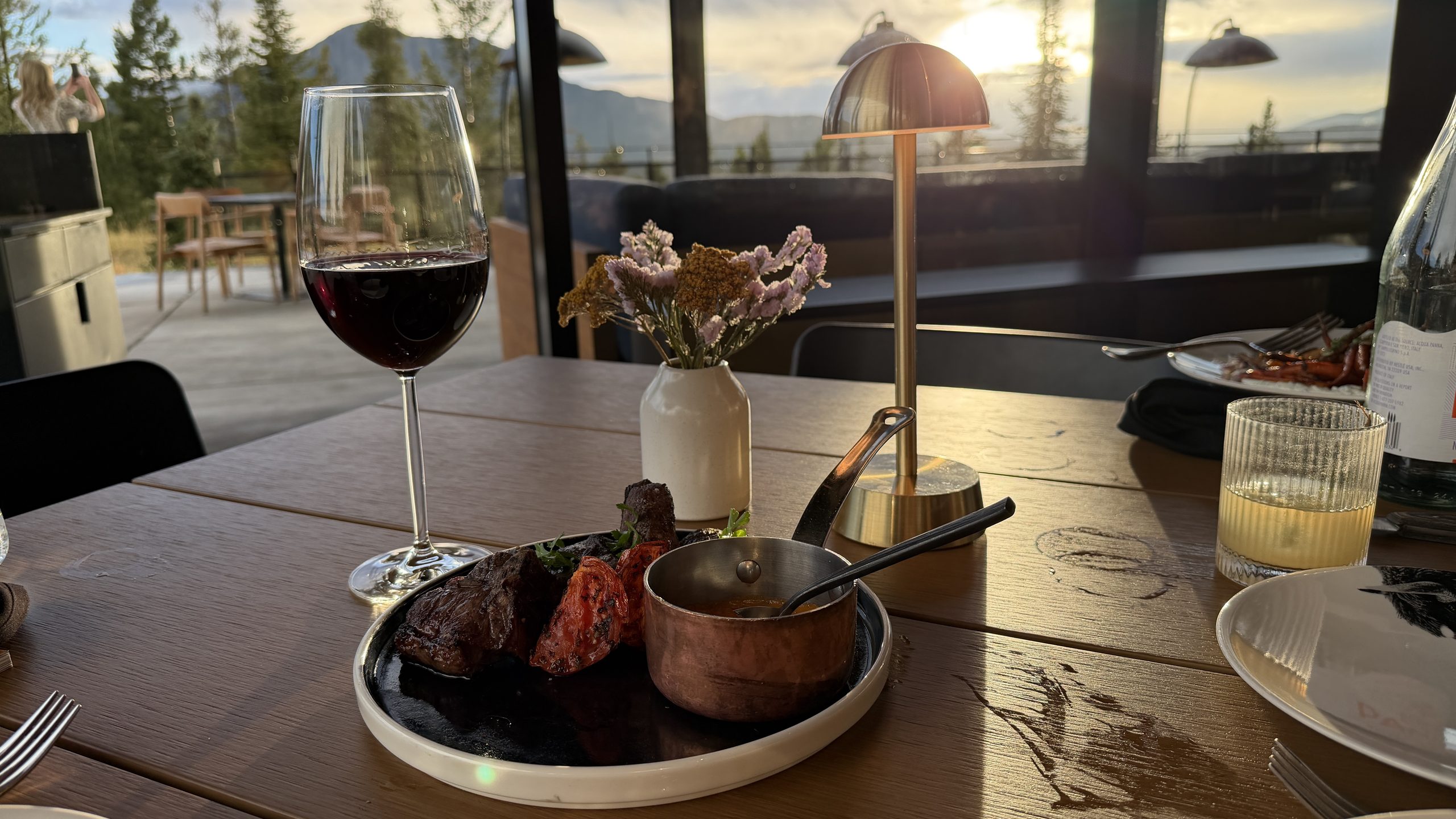
If you have a weekend rather than a week, Big Sky rewards it. Forty-eight hours is the honest minimum: one day for the mountain, one for the park, and enough margin to sit by the Gallatin without watching the clock. My weekend ran from a Mexican mocha at Cowboy Coffee and barbecue on the river to cocktails at a bootlegger-themed lounge, a Tuesday rodeo on a ridge, and a slow morning ride up to Kircliff. The whole plan, timed out stop by stop with where to eat and where to stay, is in 48 hours in Big Sky, Montana.
The Design Story: One&Only Moonlight Basin

For design travelers, the most interesting thing built in Big Sky in a generation is a resort that works hard at not being seen. One&Only Moonlight Basin, the brand’s first property in the United States, opened in late 2025 on a 240-acre shelf of hillside, and I almost drove past it. That is the whole thesis. Tom Kundig of Olson Kundig designed it low and residential, in stone, timber and glass, so that from the valley floor you can pick out two or three chimneys and essentially nothing else. Inside are the details that reward looking closely: lasso-shaped light fixtures, a substantial collection of Native American art, a stone carved into the outline of Montana and set into the spa wall, and a speakeasy whiskey cabin trucked in from Idaho and hidden in the trees. My full walk-through is in first look: inside One&Only Moonlight Basin.
The Day Trip Everyone Comes For: Yellowstone
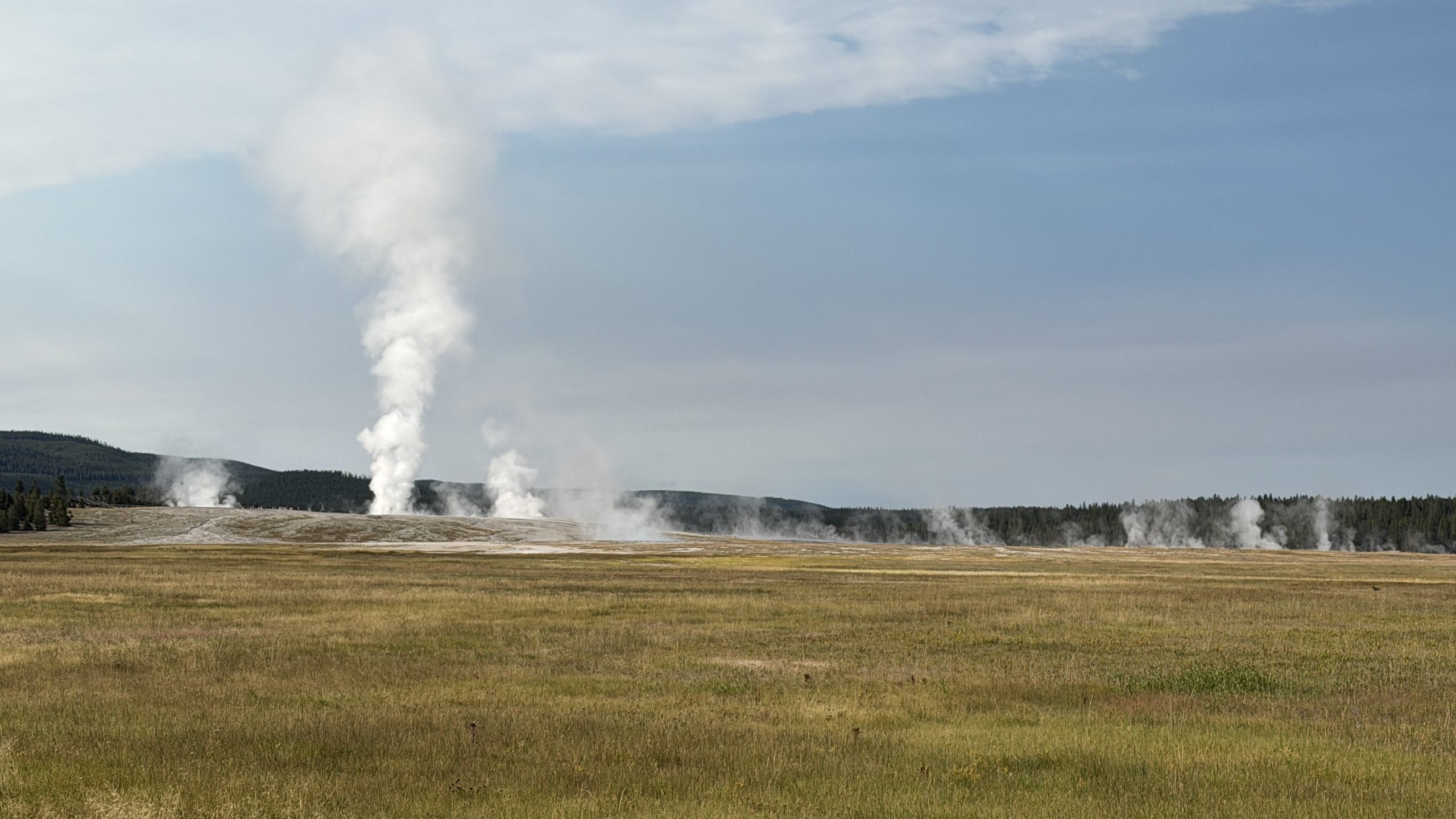
Big Sky sits about an hour from Yellowstone’s West Entrance, which makes the park a comfortable day trip instead of a pilgrimage. I booked a full-day Lower Loop tour out of West Yellowstone, and letting someone else drive was the best decision I made in the park. The guides trade real-time intelligence by radio, where the bison have moved and which geyser is building, and reroute you accordingly. I saw Old Faithful, the painted thermal basins, the bison rut in Hayden Valley, and the Lower Falls dropping 308 feet into the Grand Canyon of the Yellowstone. I also learned that after a full eight hours we had seen roughly a quarter of one percent of the park. The full account, including how to time Old Faithful and why the colors in the springs are alive, is in how to tour Yellowstone’s Lower Loop from West Yellowstone.
Utah: Canyon Country
From Montana’s peaks I dropped south into a completely different register of the West. Southern Utah doesn’t announce itself the way an alpine summit does. It gets larger and stranger the farther you travel, until the pavement turns to dirt, the cell service disappears, and the crust on the desert floor turns out to be alive.
Bryce Canyon and Grand Staircase-Escalante

You arrive at Bryce Canyon expecting the hoodoos, and you get them, thousands of orange spires arranged in amphitheaters that look almost too composed to be natural. Then the landscape starts correcting you. I traveled this route over four days in late July, exploring on horseback, by e-bike and on foot, and ending my days under some of the darkest skies in America. Along the way I learned that Bryce is not technically a canyon at all but a plateau slowly disassembling itself, that a single careless footprint on the biological soil crust can undo decades of growth, and that “public land” and “protected land” are not the same thing. That last point gave the trip its urgency: in July 2026 the federal government ordered a roughly 90 percent reduction in the protected acreage of Grand Staircase-Escalante National Monument. Whatever happens in the courts, the case for going now is that experiencing the place makes the policy tangible. The full four-day route, guides included, is in why you should explore Bryce Canyon and Grand Staircase-Escalante now.


Arizona: Red Rocks and the Culture of the West
Arizona closed out the summer, and it split neatly into two experiences: the West as it gets told, in the galleries and museums of Scottsdale, and the West as you feel it, bouncing through the Sedona backcountry.
Scottsdale’s Secondary Art Market
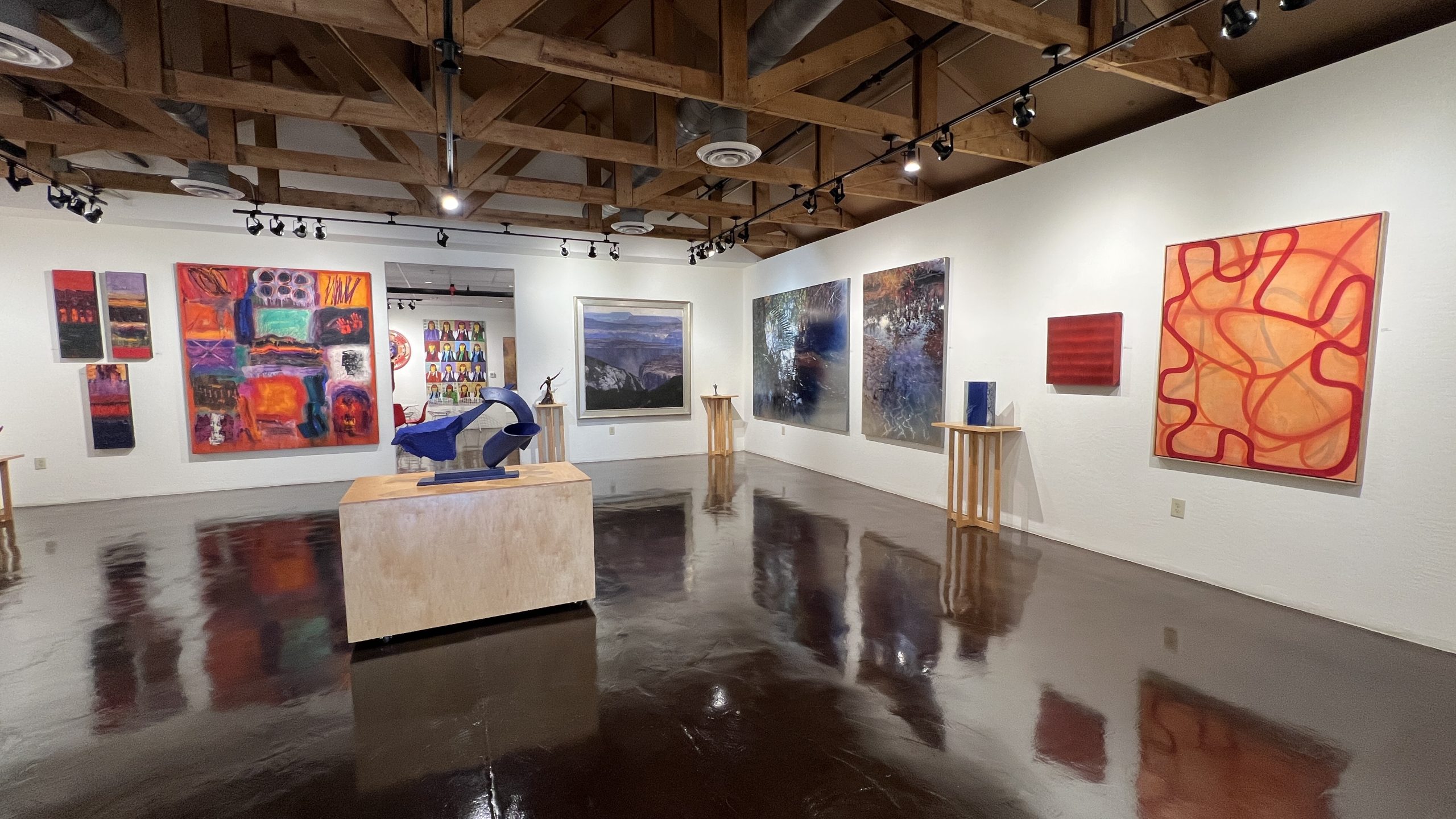
Scottsdale calls itself the West’s Most Western Town, and its art scene is deeper and stranger than the cowboy branding suggests. At Larsen Gallery, set inside a former 1950s church, I found a business built around the afterlife of a collection: what happens to art when a collector downsizes or an estate changes hands. The gallery does not represent living artists. It resells privately consigned work, from Picasso and Warhol to Arizona’s own Fritz Scholder, and moves about 400 pieces across the block in a single auction day. It’s a rare look behind the polished white wall at how art actually circulates. I wrote about it in Larsen Gallery: where Scottsdale art finds a second life.
A Design Lover’s Museum

A few minutes away, the best design lesson I got all summer came from a volunteer docent handing out pocket-sized color wheels. Western Spirit: Scottsdale’s Museum of the West is a LEED Gold building whose concrete walls were poured flat and lifted into place, their vertical fluting cast to echo the ribs of a saguaro. Inside, the exhibits argue that Western art was never just genre work: a color theory master class disguised as a painting show, a history of the Hollywood Western that refuses to declare the genre dead, the narrative canvases of the Eddie Basha Collection, and a black-walled gallery of Southwest jewelry with a genuinely useful lesson on how to buy the real thing. My full guide is in Western Spirit: Scottsdale’s Museum of the West.
Into the Red Rocks at Sedona

Then I traded the galleries for the backcountry. Sedona doesn’t ease into view; it makes an entrance, rising into sandstone cliffs and spires that glow from burnt orange to deep crimson. To get past the paved overlooks I booked the roughest tour on the menu, the Pink Jeep Scenic Rim 2.5, and held on. It climbs Schnebly Hill Road into Coconino National Forest to Merry-Go-Round Rock and the views over Bear Wallow Canyon, and I’ll be honest with you: it’s a very, very bumpy ride, and not the right choice if you have back or neck concerns. But it delivered a visceral sense of the terrain that a scenic drive never could, plus the reason those rocks are red (iron oxide, essentially rust) and a front-row seat to a summer haboob rolling through. The honest review, including what to bring and when to skip it, is in the Sedona Pink Jeep tour.
How to Think About a Western Summer
You don’t have to do all three states in one trip, and I wouldn’t recommend trying. Each of these regions rewards slowing down, and the distances between them are real. But they do belong to a single story. Montana gives you altitude and water and the biggest sky you’ve ever stood under. Utah gives you deep time and a lesson in how fragile immense landscapes can be. Arizona gives you the culture that grew up around all of it, and the red rock that Hollywood turned into shorthand for the West itself.
A few things I’d tell anyone planning their own version. Go in summer for Big Sky, when lodging is cheaper and the friction of winter driving is gone. Go now for Grand Staircase-Escalante, while the question of what it will become is still open. And everywhere, resist the overlook-and-photograph reflex. The West kept giving me its best material once I got out of the car, onto a horse, into a river, or simply standing still long enough to let a place speak for itself.
American West Travel Frequently Asked Questions
What are the best states to explore in the American West in summer?
For this summer’s route I focused on Montana, Utah and Arizona. Montana’s Big Sky and Yellowstone region is at its most accessible in summer, Southern Utah’s Bryce Canyon and Grand Staircase-Escalante reward a slow road trip, and Arizona pairs Scottsdale’s art and design scene with Sedona’s red rock backcountry.
Can you visit Yellowstone from Montana?
Yes. West Yellowstone, Montana sits at the park’s West Entrance and is the most convenient Montana basecamp, with guided Lower Loop tours running daily. Big Sky is about an hour north, which makes the park a comfortable day trip.
Is Big Sky, Montana worth visiting in summer?
Increasingly it’s the better season. Lodging costs less than in ski season, the range of activities is far wider than skiing, and the new Kircliff glass observatory, hiking, rafting and mountain biking are all open from roughly mid-June through mid-September.
Why should you visit Grand Staircase-Escalante now?
A July 2026 proclamation ordered a roughly 90 percent reduction in the monument’s protected acreage. Legal challenges are underway, but visiting now makes the stakes of that decision tangible in a way no policy summary can.
How rough is the Sedona Pink Jeep Scenic Rim 2.5 tour?
Very. Pink Adventure Tours gives it a five-out-of-five ruggedness rating. It is a full-body, backcountry ride along Schnebly Hill Road, not a gentle sightseeing drive, so travelers with back, neck or mobility concerns should ask about the milder options.
Also Read:
7 Best Places in Northern Italy To Visit
Things to Do in Brandywine Valley: Gardens, Bookstores & Hidden Gems
Top 5 Christmas Markets in Germany to Visit This Holiday Season