




In a world that loves speed and efficiency, it’s become super common to go on a whirlwind vacation, trying to cram five cities into seven days. You usually come home with a camera full of photos, but a fuzzy memory of where you actually went. Slow travel offers a refreshing change of pace. It’s a mindset that encourages you to ditch the packed schedule for something more meaningful and immersive, focusing on real connections instead of just checking things off a list.
Embracing a Deeper Connection
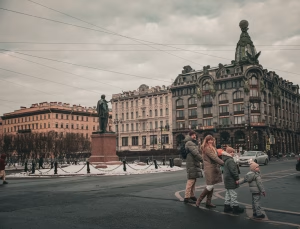
Slow travel isn’t really about how you get around; it’s more about how you think. It’s making a conscious choice to slow down and truly soak in a place. Instead of rushing from one famous spot to the next, you might spend a whole afternoon at a single cafe, just watching daily life unfold. This way, you really start to connect with your surroundings. You’ll notice all the little things: the unique architecture of the neighborhood, how locals greet each other, or the smell of a nearby bakery. These are the moments of slow travel that turn a simple trip into a memory that sticks with you.
Comfortable Stays for Extended Exploration
A big part of slow travel is having a comfy home base where you can really settle in and find local fun. Staying in one spot for a week, a month, or even longer gives you the freedom to explore without the pressure of a looming checkout time. This could mean renting an apartment long-term, house-sitting, or even embracing the flexibility of a mobile home. The modern RV lifestyle, for example, fits this perfectly. Finding a welcoming spot with full hookup RV sites lets you create a home away from home. You can unpack, set up your personal space, and use it as a launchpad for really digging into the surrounding area, all while enjoying the comforts you brought with you.
Finding Local Art and Culture
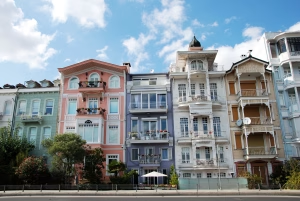
When you’re not in a rush, you suddenly have time to look past the usual tourist traps and discover what really makes a place tick culturally. This is where your inner “design tourist” can truly shine. Spend your days wandering down side streets to find independent art galleries, visiting local artisans’ workshops, or simply admiring the unique homes. You might take a pottery class with locals, learn about regional textiles, or spend an evening at a small community theater. These kinds of experiences give you a much richer understanding of a place’s identity and creative spirit than a quick trip to a crowded museum ever could.
Designing Your Itinerary
Planning a slow travel trip looks pretty different from putting together a traditional itinerary. Instead of a strict, hour-by-hour schedule, you create a loose framework that leaves plenty of room for spontaneity. Start by picking just one or two “must-do” activities, and then leave entire days open for whatever you discover. A good way to approach it is to plan around themes instead of specific sights. For instance, you might dedicate a few days to exploring the local food scene, from farmers’ markets to neighborhood restaurants. Learning about ways to embrace it can help you build a trip that prioritizes genuine experiences over just a long list of photo ops. Allow yourself to get a little lost, follow a recommendation from a local, or simply do nothing at all.
Unpacking the Benefits
The payoffs for slowing down are huge. On a practical level, it’s often more affordable, since you can snag weekly or monthly rates on places to stay and cook some of your own meals. But the real benefits are less tangible. You’ll come home feeling rested and refreshed, not completely wiped out. You’ll have stories to tell that go way beyond “we saw this, and then we saw that.” You’ll have developed a real connection to the place, built on authentic interactions and personal discoveries. This deeper, more sustainable way of seeing the world doesn’t just make for a better vacation; it enriches your perspective long after you’ve unpacked.
Slow travel is all about giving yourself the gift of time. It’s an invitation to be present, to connect deeply, and to see the world with fresh, unhurried eyes.