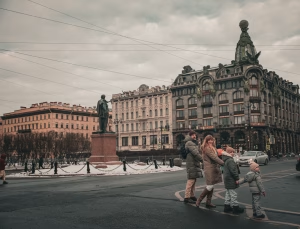





When you walk through a historic neighborhood, your eyes naturally go to the detailed cornices, grand entryways, and worn brick that give each building its own look. We admire these fronts as reminders of an earlier time. But real preservation goes much deeper than what you see on the outside. Protecting old buildings means looking after the whole structure, from its deepest foundations to its hidden supports.
The Art of Architectural Preservation
Saving old buildings is a careful mix of science and art. It’s not about making an old building look brand new; it’s about keeping its history and culture alive while making sure it’s still safe and useful. Experts in this field work to make original materials stable, repair them, and keep them up whenever they can. This dedication to protecting architectural heritage means the stories built into the structure, the skill of its builders, and the lives of the people who lived there don’t get lost.
This work can happen in different ways. Sometimes, it means carefully restoring a building to look exactly as it did at a certain time. Other times, it involves rehabilitation, where a building is changed for a new use, but its historic feel is kept.
Hidden Threats to Historic Structures
The biggest threats to historic buildings are often the ones you can’t see. You might notice a cracked window or peeling paint, but the slow, quiet decay inside the walls is a much bigger danger. Moisture is a main problem. A small, unnoticed pipe leak can soak old wood, causing rot that weakens the building’s structure. It can also make plaster crumble and help mold grow, which damages delicate finishes.
These problems can go unnoticed for years, slowly hurting the building from the inside. Because older buildings use unique materials and construction methods, finding problems early is key. That’s why non-invasive inspections and professional leak detection services are valuable first steps for property owners who want to preserve historic buildings. By locating hidden moisture without unnecessary demolition, specialists can address problems before they lead to widespread structural damage.
Importance of Subsurface Diagnostics
How do you find a problem without tearing down a historic wall? Modern technology gives preservationists great tools to look inside walls. These methods don’t damage the building, letting experts see inside without breaking anything.
- Thermal Imaging: Infrared cameras can spot temperature differences in walls, showing hidden wet spots or places where insulation is missing.
- Acoustic Testing: Special microphones can “hear” the distinct sound of water dripping or flowing inside a pipe hidden in a wall or under a floor.
- Borescopes: Tiny cameras on flexible cables can be put into small openings to visually check the condition of wall spaces, crawl spaces, and plumbing.
Using these tools, specialists can create a detailed map of a building’s condition, finding problems very accurately before anyone even starts to work on it.
Case Studies in Preservation Success
All over the country, many buildings show how successful preservation can be. Think about the old textile mills and factories from the Industrial Revolution that have been turned into lively apartments, offices, and art studios. Instead of being torn down, their large windows, exposed brick walls, and strong timber frames were celebrated. The success of these projects often depends on really understanding historic preservation in architecture and its ideas.
In these projects, where old buildings get new uses, modern needs like updated electrical and plumbing are carefully added so they don’t stand out. The goal is for the building to serve a new generation without losing what makes it special. The result is a space that respects its past while fully embracing the present.
Future-Proofing Design Legacies
Preserving a building isn’t a one-time fix; it’s an ongoing effort. Getting a historic building ready for the future means making a long-term plan for its care. This includes smart upgrades that make it stronger without changing its look. For example, putting in modern, energy-efficient windows that look like the originals can make it more sustainable. Also, applying advanced breathable coatings can protect stone from water damage while still letting the material release trapped moisture.
By mixing old-school craftsmanship with new ideas, we can make sure these architectural treasures are not just kept up, but are ready to last for centuries to come.
Ultimately, preserving our built environment is about more than just saving old buildings. It’s about holding onto the real connections to our past and making sure those stories keep inspiring us in the future.