




Planning a family trip used to be just about picking a spot. Now, it’s more about crafting an awesome experience. The real difference is in the little things, the thoughtful touches that turn a regular vacation into a bunch of treasured memories. For designers, hotel owners, and folks who create attractions, this change is a fun challenge: how do you build places that wow everyone, from tiny tots to grandparents? It’s all about making spaces where fun just happens, and people connect easily.
The Art of Multi-Generational Fun
Traveling with different generations is a lovely way to bond, but it’s tricky to get just right. What gets a ten-year-old super excited might totally wear out a seventy-year-old. The trick is to find places and activities that everyone can enjoy in their own way. A walk in nature, for instance, can be a gentle stroll for grandparents, a treasure hunt for the kids, and a good workout for the parents. The idea isn’t for everyone to do the same thing, but to happily share the same space. When you focus on experiences everyone can share, instead of making everyone do identical activities, you’re on the right track to lasting memories for the whole family. Look for spots that offer lots of choices, comfort, and easy access, so nobody feels left out.
Creating Immersive Environments
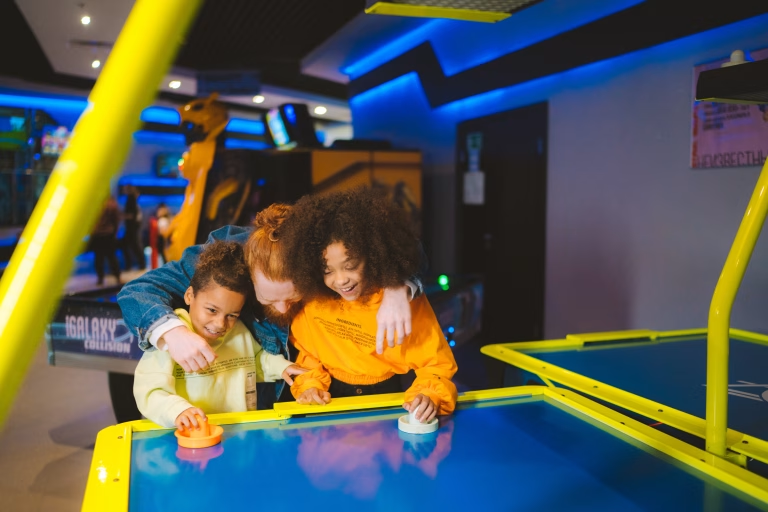
A really great family experience often starts with feeling completely drawn in. When a place is designed to whisk you away, it sparks imagination and excitement for all ages. Things like themes, lighting, sounds, and interactive bits can turn a simple activity into a real adventure. It’s like the difference between a plain old mini-golf course and one that takes you through a pirate’s hideout or a jungle from prehistoric times. This kind of design thinking is what makes many modern family entertainment centers so popular. Malibu Jack’s is a good example of this approach, with different themed areas offering unique, immersive activities. You can go from the thrill of a go-kart track to the bright lights of a video game arcade, all in one connected space built for family fun.
Architectural Play Spaces
Forget those basic metal slides and swing sets. Today’s coolest family spots have architectural play areas that look as good as they are fun, making it simpler to organize a family adventure that works for everyone. These structures often use natural materials, cool sculptural shapes, and smart layouts to get kids exploring creatively and tackling physical challenges. Resorts and public parks are increasingly asking designers to create special playgrounds that are also like public art. This focus on thoughtful design shows they really get how kids and adults interact with their surroundings. As hospitality leaders keep rethinking family travel, these well-designed play zones are becoming a key feature, offering a safe and exciting place where kids can just be kids, and parents can chill out.
Beyond the Postcard: Interactive Attractions
The best family travel moments often happen when you’re actually doing stuff, not just looking. While famous landmarks are great for a quick photo, interactive attractions get everyone much more involved. Think about science museums with hands-on experiments, historical places with live re-enactments, or art galleries with special creation stations for kids. These experiences invite people to jump in and spark curiosity in a way that just watching can’t. When you’re planning a trip, look for chances for your family to get a little messy. Whether it’s a local cooking class, a pottery workshop, or an escape room, these activities build skills, encourage teamwork, and create stories you’ll be telling for years.
Food and Fun: Integrated Experiences
Mealtime on a family trip can sometimes feel like a big hassle, but with the right design, it can be a fun part of the adventure. The idea of mixing dining with entertainment is a brilliant fix. Food halls are a perfect example, offering tons of choices that please picky eaters and adventurous foodies alike in a lively, shared space. Themed restaurants, dinner shows, and cafes inside attractions also turn a simple meal into an event. When food is seen as part of the whole experience design, it takes away stress and adds another layer of enjoyment to the day.
Ultimately, designing for families is about helping them connect through shared joy. By creating spaces that welcome everyone, are interactive, and spark imagination, we can help families build travel stories they’ll cherish long after they get back home.