




A Rockies vacation should suit your travel style, and there’s more than one way to explore the region’s celebrated scenery.
Some travellers want action-packed itineraries, while others are more interested in taking it slow. Both types of vacations are worthwhile, but finding the perfect mix of experiences can help you enjoy memorable getaways with plenty of time for lakeside mornings, leisurely meals in charming towns, and pulling over when conditions look perfect.
Match the Itinerary to Your Pace and Season
Map Realistic Travel Days
It’s easy to fill days exploring the Canadian Rockies, and while the area’s many viewpoints are impressive, trying to cram as many in as possible during a short stay isn’t always ideal. Consider the activities you most want to experience before determining a logical route, factoring in drive times, the season, and the pace you’d like your trip to have.
Leave Breathing Room in Each Day
Before you start researching accommodations and routes, consider the type of getaway you envision. Would you like to be outside for most of each day? Or would you enjoy touring by car, sampling menus at different restaurants, and returning each night to comfortable accommodations?
A balanced itinerary could involve:
- Gentle strolls at lookout spots and lakes
- Time in popular towns and cities, like Banff, Jasper, Lake Louise, Canmore, and Calgary
- Wildlife spotting from safe vantage points
- Relaxation at spas, cafés, restaurants, and art galleries
- Seasonal pursuits, like fall hiking, canoeing, snowshoeing, or skiing
Rather than filling every waking hour with must-do adventures, consider leaving gaps in your itinerary. It might help you savour more of the experiences you do participate in.
Pick the Season That Suits Your Plans
The best time to visit the Canadian Rockies depends on your interests. Summer offers the most activities and operating businesses. Villages and towns are bustling, and you’ll have access to alpine hiking trails, lakeside adventures, and more.
In the fall, temperatures are cooler, foliage colours transform the region, and summer crowds have thinned. Keep in mind that businesses and attractions may operate on a reduced schedule.
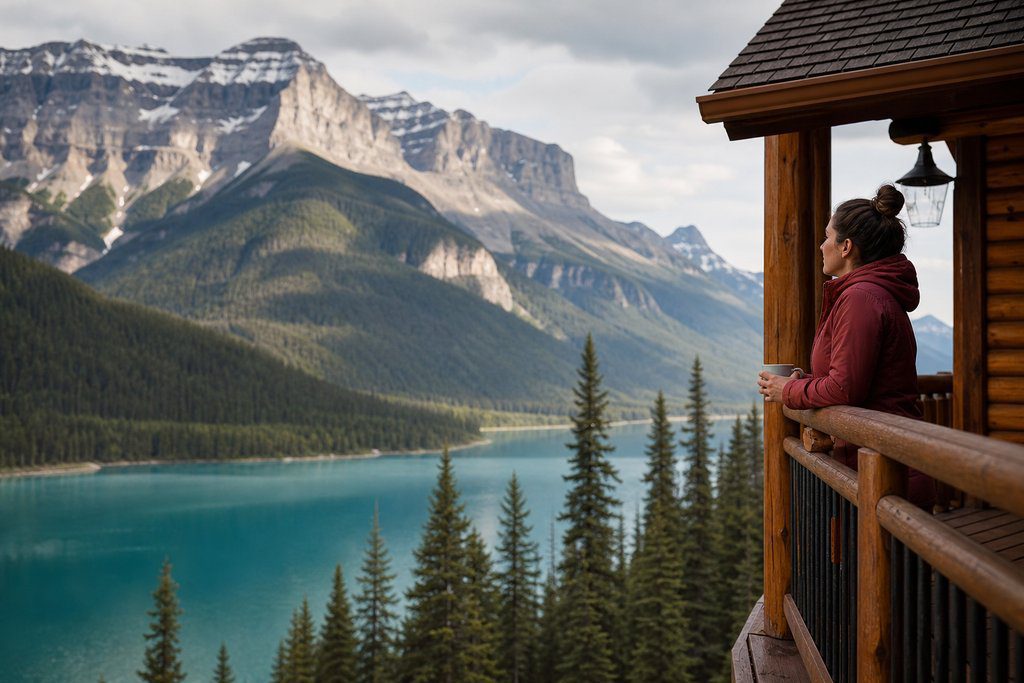
Winter transforms the region. Snowy summits beckon adventurers while ski hills and spas tempt others. Winter strolls are lovely, too, although travellers should leave extra time when driving due to potentially challenging conditions.
Spring weather in the Rockies can be unpredictable, but visitors who prefer to dodge the crowds could consider travelling during this shoulder season. Hiking trails at higher elevations might still be muddy or snow-covered, although you may be able to explore routes at lower elevations.
No matter when you travel, monitor weather conditions and allow for itinerary changes as needed.
Use Fewer Bases and Enjoy the Route
Limit Overnight Moves
While the Canadian Rockies are filled with enticing experiences, packing your trip with activities and changing accommodations nightly could detract from your vacation. Consider limiting your trip to one or two bases to explore the region. This type of itinerary simplifies packing, offers more flexibility if weather impacts your plans, and can help you settle into each location.
During one leg of your journey, you could explore Banff and Lake Louise and the surrounding region – more details at https://en.wikipedia.org/wiki/Lake_Louise,_Alberta, wandering lakeside trails, touring viewpoints, and sampling menus at Banff’s restaurants. Later in your trip, you could stay closer to Jasper for a quieter getaway amid lush forests, taking advantage of the area’s many adventures.
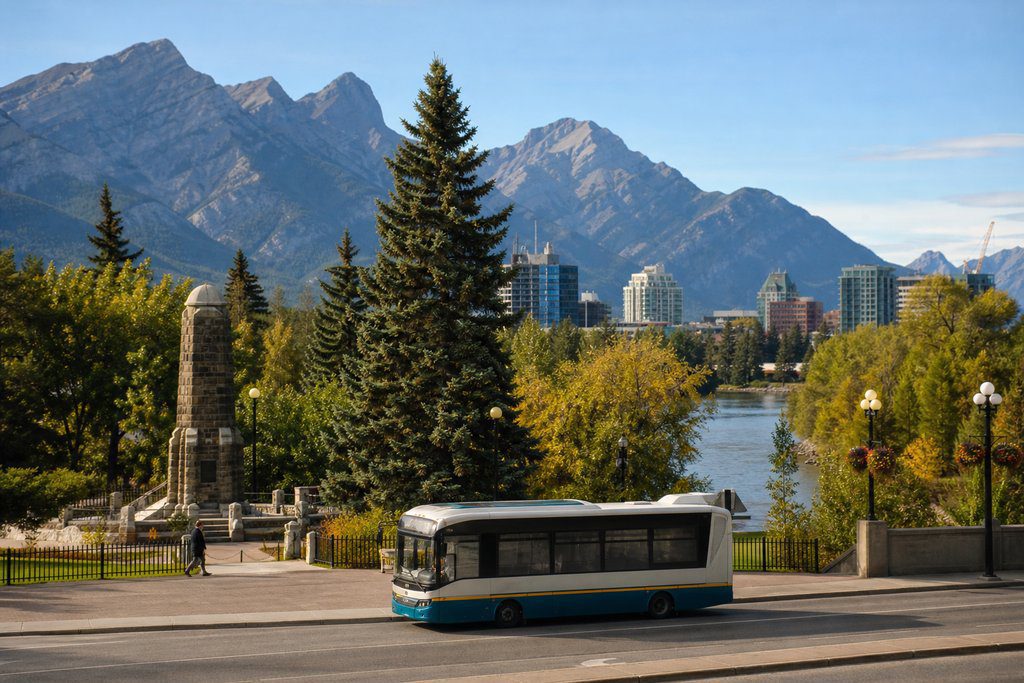
Calgary and Vancouver could also make for great stops at the beginning or end of a Rockies journey. After days spent amid mountains and lakes, touring these cities could make for a nice change of pace, and a Trans Canadian sightseeing tour connects those urban stops with a wider Canadian holiday.
When determining a route, don’t underestimate travel times. Winding roads, photo stops, construction detours, curious wildlife, and more could all lengthen journeys that may seem brief when mapped.
Notice the Experiences Between Major Stops
The region’s renowned sights have earned their reputations, but don’t overlook the moments in between. Savouring a pastry at a Rockies bakery, hiking a lesser-known trail near your accommodation, catching a stunning sunset from a nearby vantage point, or dining al fresco by a river could also make lasting memories.
Try planning one major activity for each day, with a back-up in case inclement weather or other delays impact your plans.
An unplanned detour can also lead to a favourite memory. A scenic pull-off with a short hike or an activity suggested by a shopkeeper might just become the trip highlight of your explorations.
Prepare for Changing Conditions
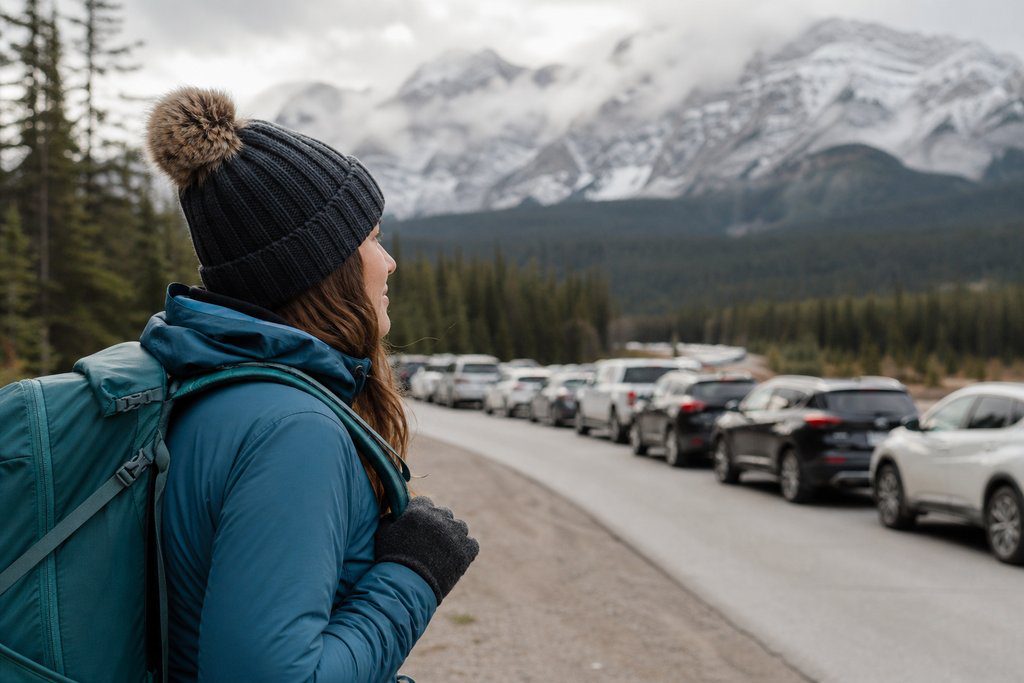
When adventuring in the great outdoors, even an easy hike could include elevation and temperature changes, few amenities, and long distances between services. Be prepared by bringing layers, water, snacks, sun protection, and suitable footwear.
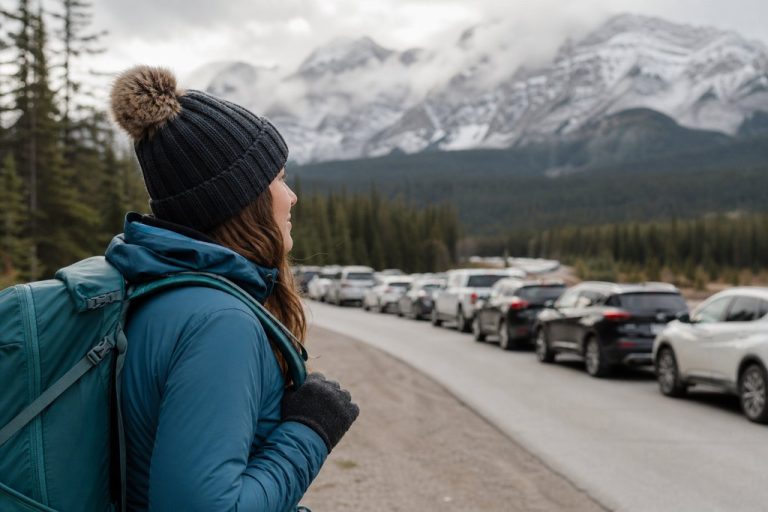
Many parks and attractions implement timed-entry permits and have limited parking during peak times. These restrictions could impact your visit by dictating your arrival time and where you can park, potentially limiting access to certain trails and lakes.
Research lodging ahead of time, too. Popular destinations book up early, especially during school holidays and peak season, while accommodations farther away could mean more driving. Weigh the pros and cons of waking up amidst the action versus staying in a quieter (and possibly more affordable) area.
Finally, build flexibility into your travel plans to account for weather changes, which are explained on this page, as well as road closures, itinerary delays, and more. Will you be able to modify your plans if you finally get a clear day after days of grey skies?
Choose Accessible Days and Build in Breaks
Match Activities to Your Abilities
You don’t have to be an avid hiker to make the most of the great outdoors. There are plenty of other options for soaking up the scenery, too, including leisurely hikes and lakeside walks, gondolas and other scenic rides, scenic drives, tours, and other guided adventures.
Stay safe and follow all posted guidelines. Maintain a safe distance from wildlife, secure food properly, and turn around if conditions are beyond your skill level, since there is always another day to explore.
Book Around Your Highest Priorities
With careful planning, you can combine adventures at famous sights with a more laid-back experience. Choose the time of year that aligns with your preferred activities, limit the number of accommodations, and build in flexibility for slow travel, changing weather, and more.
Start with your top two or three must-see sights, research lodging options and seasonal considerations, then work backwards to plan the rest of your trip.