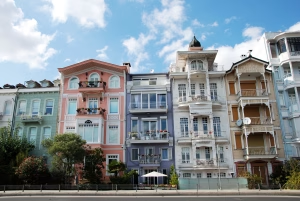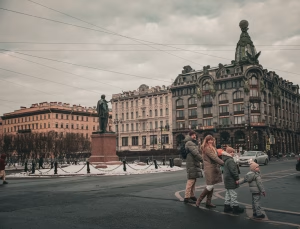





The most memorable destinations are rarely created by architecture alone. Behind distinctive hotels, revitalized warehouses, and inviting public spaces are decisions about financing, land use, community needs, and long-term operations. International investment has become part of that process in many markets, connecting global capital with projects that reshape local places. For travelers who appreciate design, understanding the money behind a building offers another way to understand why it exists.
Design Ambitions Need the Right Financial Foundation
Architects may envision dramatic atriums, accessible waterfronts, or thoughtfully restored historic buildings, but each choice carries a cost. Developers must secure land, navigate approvals, hire professionals, and finance construction before welcoming a single guest or tenant. Some projects combine conventional loans with private equity or other funding sources. International investors can participate in these arrangements when the financial structure and applicable rules permit it.
Investment models also vary according to what a project actually does. The range of asset classes for EB-5 illustrates how qualifying investment opportunities may span different kinds of businesses and developments rather than one standard property type. EB-5 involves specific job-creation and immigration rules, so it should not be confused with ordinary international real estate investing. Still, the variety highlights that different uses demand different buildings, financing strategies, and management plans.
Mixed-Use Districts Are Replacing Single-Purpose Destinations
Many successful urban destinations give people reasons to stay throughout the day rather than visit one attraction and leave. A neighborhood may combine apartments, restaurants, offices, shops, and small public plazas within a comfortable walking distance. This variety can create the energy travelers associate with great cities. It may also support businesses by providing several overlapping groups of potential customers.
For investors, mixed-use projects can spread exposure across different sources of income, although they also introduce operational complexity. Offices may be busiest on weekdays, restaurants at night, and hotels on weekends or during seasonal events. A good design connects those patterns through sensible entrances, safe pedestrian routes, and shared spaces. Poor circulation can make even an expensive development feel fragmented or inconvenient.
Historic Preservation Can Become an Engine for Renewal
Adaptive reuse allows existing buildings to find new purposes while retaining elements of their original character. Old factories may become hotels, railway facilities may host markets, and former civic buildings may contain cultural venues. These projects can preserve craftsmanship and local history that new construction cannot easily recreate. They also offer travelers a richer experience than a generic building could provide.
Restoration is not necessarily cheaper or simpler than starting over. Developers may discover structural deterioration, hazardous materials, outdated utilities, or accessibility challenges after work begins. Investors need realistic contingency budgets and patience with the approvals that preservation often requires. When project teams underestimate these demands, the financial pressure can compromise both design quality and completion schedules.
Hospitality Projects Help Define a Destination’s Identity
Hotels and resorts often introduce visitors to a region’s architectural language. Materials, landscaping, lighting, and spatial arrangements communicate ideas about local climate and culture before guests exchange a word with staff. A carefully considered property can become a destination in its own right. That visibility gives hospitality developers significant influence over how a place is perceived.
There is a difference, however, between borrowing a regional aesthetic and engaging meaningfully with it. Using local materials where appropriate, consulting area craftspeople, and responding to climate can give a project greater integrity. Designs should also account for how employees move through a property and how maintenance teams will care for specialized features. Beautiful spaces lose their appeal quickly when everyday functionality is neglected.
Public Spaces Determine Whether Private Development Feels Inclusive
Private investment often shapes public experience through sidewalks, courtyards, plazas, and waterfront access. These spaces influence whether residents see a new development as an addition to their community or a boundary that separates them from it. Comfortable seating, shade, clear sightlines, and accessible pathways make public areas useful rather than merely decorative. Even relatively modest details can determine whether a space attracts people regularly.
Maintenance and governance are just as important as the original landscape design. A plaza may look lively in promotional images but remain empty if it offers no programming or comfortable places to gather. Restrictions on access can also undermine its public character. Developers should consider who will manage the space, what activities are permitted, and how community feedback will influence future changes.
Sustainability adds another layer to the design conversation. Trees, permeable surfaces, efficient water use, and climate-responsive structures can reduce environmental strain while improving comfort. These choices should be evaluated within the local context rather than selected simply for their visual appeal. Durable public spaces connect environmental performance with the daily needs of the people using them.