



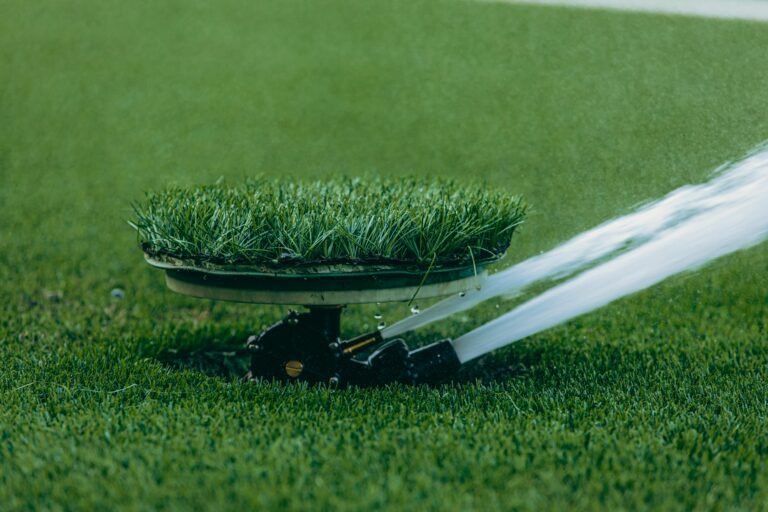
A healthy lawn and vibrant outdoor space can completely change the appearance of a home. Green grass, thriving plants, and well-maintained landscaping create a welcoming environment while also improving curb appeal and property value. In places like Bay Hill, Florida, where warm temperatures and strong sunlight are common throughout much of the year, maintaining a healthy landscape often depends on having an efficient irrigation system.
Many homeowners spend time planting flowers, maintaining gardens, and improving outdoor spaces, but watering habits are sometimes overlooked. Too much water can damage plants just as easily as too little water. Uneven watering may leave dry patches across the lawn, while leaking sprinkler systems can waste water and increase utility bills without homeowners even noticing right away.
Modern irrigation systems make it easier to keep landscapes healthy while conserving water at the same time. However, even advanced systems require proper maintenance and occasional repairs to continue working efficiently. Understanding how irrigation systems function and knowing how to improve watering habits can help homeowners create greener, healthier outdoor spaces while avoiding unnecessary water waste.
Why Proper Irrigation Maintenance Matters
Irrigation systems work best when they are inspected and maintained regularly. Over time, sprinkler heads can become clogged, pipes may develop leaks, and watering schedules can become outdated as weather conditions change throughout the year. Even small irrigation problems can affect the health of a lawn and lead to unnecessary water waste if they are ignored for too long.
One of the most common issues homeowners face is uneven watering coverage. Some areas of the lawn may receive too much water, while others remain dry and unhealthy. Broken sprinkler heads, clogged nozzles, and poor system pressure often contribute to these problems. Homeowners dealing with patchy grass, leaking sprinkler zones, or inconsistent watering patterns frequently search for certified lawn sprinkler repair in Bay Hill, FL, to restore efficient irrigation performance and protect the long-term health of their landscaping.
Professional irrigation inspections can identify hidden problems before they become expensive repairs. Experts understand how to evaluate sprinkler zones, detect leaks, adjust spray patterns, and improve overall system efficiency. These adjustments not only help lawns stay greener but also reduce unnecessary water usage.
Seasonal maintenance is especially important in warm climates like Florida. Irrigation systems often need adjustments throughout the year as rainfall levels, temperatures, and watering demands change. A system that worked well during one season may become inefficient during another if it is not properly updated.
Routine maintenance also helps extend the lifespan of irrigation equipment. Small repairs handled early are usually much less expensive than replacing major system components after serious damage occurs.
Watering Schedules That Support Healthy Lawns
Watering schedules play a major role in maintaining healthy lawns and landscapes. Many homeowners assume watering more often will automatically create greener grass, but overwatering can actually weaken root systems and encourage lawn disease.
One of the best times to water a lawn is early in the morning. Cooler temperatures and lower wind levels allow water to soak into the soil before evaporation occurs. Watering during the hottest part of the day often leads to wasted water because much of it evaporates before reaching plant roots.
Evening watering may seem convenient, but moisture sitting on grass overnight can increase the risk of mold and fungal growth. Morning irrigation generally provides the best balance for healthy lawns and plants.
Watering schedules should also change throughout the year. During rainy seasons, lawns may require very little supplemental irrigation. Hot summer periods, however, often require more careful watering management to prevent dry patches and stressed landscaping.
Soil type also affects watering needs. Sandy soil absorbs and drains water rapidly, so it often requires lighter but more frequent watering, while clay soil holds moisture for longer periods and usually responds better to slower, deeper watering.
Smart irrigation timers make scheduling much easier for homeowners. These systems can automatically adjust watering times based on weather conditions, helping reduce waste while maintaining healthier landscapes.
Smart Irrigation Technology for Modern Landscapes
Technology has improved irrigation systems significantly over the last several years. Modern irrigation tools help homeowners conserve water while keeping outdoor spaces healthier and easier to maintain.
Weather-based irrigation controllers are one of the most effective upgrades available today. These systems automatically adjust watering schedules based on local weather conditions, rainfall, and temperature changes. If rain is expected, the system reduces or skips watering automatically.
Drip irrigation systems are another efficient option for gardens and flower beds. Instead of spraying water broadly across large areas, drip systems deliver water directly to plant roots. This reduces evaporation and keeps plants hydrated more efficiently.
Soil moisture sensors also help improve irrigation accuracy. These sensors monitor how much moisture is already present in the soil and prevent unnecessary watering when the ground is already wet enough.
Many modern irrigation systems can now be controlled through smartphone apps. Homeowners can monitor watering schedules, adjust zones, and receive maintenance alerts remotely. This added convenience helps people manage outdoor watering more effectively, even when away from home.
These smart technologies not only save water but also help homeowners maintain healthier lawns with less effort and fewer long-term landscaping issues.
Common Signs Your Irrigation System Needs Repairs
Many irrigation problems develop slowly, making them easy to overlook at first. However, there are several warning signs homeowners should watch for when evaluating sprinkler system performance.
Brown patches or dry spots in the lawn are often signs that certain sprinkler zones are not distributing water evenly. This may happen because of clogged nozzles, broken sprinkler heads, or pressure problems within the system.
Pooling water or muddy areas can indicate leaks underground or damaged sprinkler valves that allow too much water to collect in one location. Besides wasting water, standing moisture may damage grass roots and create unhealthy soil conditions.
Uneven spray patterns are another common sign of irrigation trouble. Sprinklers that spray in the wrong direction or fail to rotate properly can leave sections of the lawn underwatered while oversaturating nearby areas.
A sudden increase in water bills may also point to hidden irrigation leaks. Homeowners are sometimes surprised to discover how much water a damaged sprinkler system can waste over time.
Weak water pressure, malfunctioning timers, or zones that fail to activate correctly are additional signs that professional repairs may be needed.
Ignoring these warning signs can eventually lead to larger landscaping problems and more expensive repairs.
A healthy outdoor space depends heavily on proper irrigation and smart watering habits. Even beautiful landscaping can struggle when sprinkler systems are inefficient, poorly maintained, or outdated.
With the right combination of maintenance, technology, and water-saving practices, homeowners can enjoy healthier lawns, lower water bills, and more attractive outdoor spaces year-round. Efficient irrigation not only protects landscaping investments but also helps create outdoor environments that remain beautiful, functional, and environmentally responsible for years to come.