



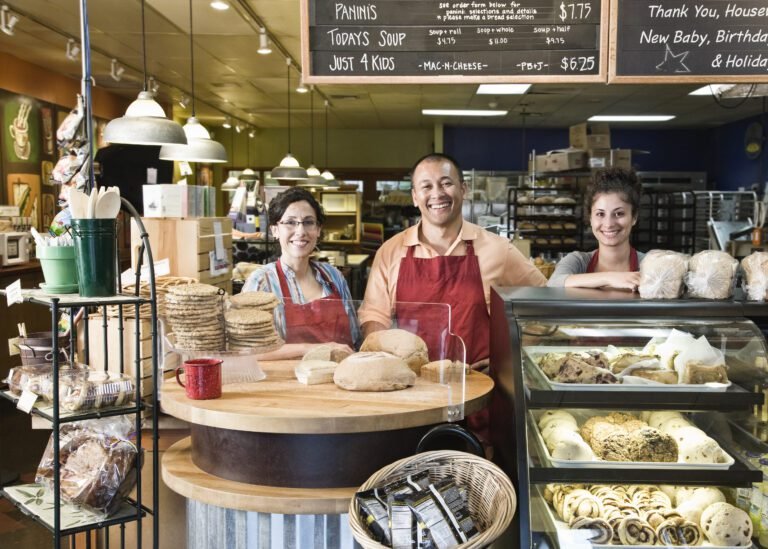
Local businesses form the foundation of strong, connected neighborhoods. According to the U.S. Small Business Administration, small institutions make up to 99.9% of all U.S. enterprises and provide nearly half of private-sector jobs. When they thrive, they fuel local economies, keep families employed, and strengthen civic pride. Yet, many small businesses face closure when owners retire or larger corporations take over, leaving communities at risk of losing their character and stability.
That’s why organizations like Teamshares are stepping in to make a difference. Their model empowers employees to become owners, preserving local jobs and keeping long-standing businesses alive. After transforming traditional ownership into shared responsibility, they ensure that communities continue to benefit from local commerce for decades to come.
Local Jobs That Build Lasting Security
Small businesses are vital sources of employment. When they succeed, the money earned stays in the community supporting nearby stores, schools, and services. Losing them means losing jobs and the economic strength that keeps towns thriving.
Through its employee-ownership model, companies like Teamshares help maintain these jobs when business owners retire. Instead of closing or selling to outsiders, companies remain in the hands of the workers who know them best, securing livelihoods and local stability.
Business Transitions That Preserve Legacy
Many small business owners struggle to find buyers who will honor their values. Such companies offer a solution that protects the legacy by transitioning ownership to employees over time. This ensures continuity, pride, and care for customers who rely on the business daily.
This model transforms uncertainty into opportunity. Employees inherit both the history and the future of the business, allowing communities to retain the establishments that define their identity.
Employee Ownership That Inspires Growth
Ownership changes how people think about their work. Employees who hold a stake in the company feel more invested in its success. They collaborate better, innovate more, and take pride in what they build.
After making employees partial owners, it fosters accountability and shared purpose. This shift from worker to co-owner motivates teams to push for long-term growth while keeping customer trust and service at the forefront.
Local Economies That Stay Independent
When local businesses close, communities become dependent on large corporations with no local ties. Companies prevent this by ensuring ownership stays within the community. This keeps profits circulating locally rather than leaving town through corporate channels.
Through maintaining independence, communities preserve flexibility, diversity, and self-sufficiency. Every thriving local enterprise strengthens the broader network of small-town resilience and economic balance.
Leadership That Builds Future Entrepreneurs
Companies don’t just transfer ownership; they develop new leaders. Through financial education, mentorship, and management training, it prepares employees to run their businesses successfully. This focus creates capable entrepreneurs who continue the company’s legacy and expand its impact.
The result is a new generation of owners who understand both the value of teamwork and the power of shared responsibility. It’s a model that turns experience into empowerment.
How Teamshares Makes a Difference
- Helps small business owners transition to employee ownership smoothly
- Ensures companies remain local and independent after ownership changes
- Creates long-term wealth for employees through equity participation
- Provides leadership training and financial tools for sustainable management
- Strengthens community stability by keeping businesses alive and growing
Supporting local businesses means investing in the heart of every community. When ownership stays within the hands of dedicated employees, jobs, traditions, and values remain secure. The result is a thriving local economy built on trust and shared success. Keeping small businesses local helps preserve livelihoods and strengthens the communities that depend on them