



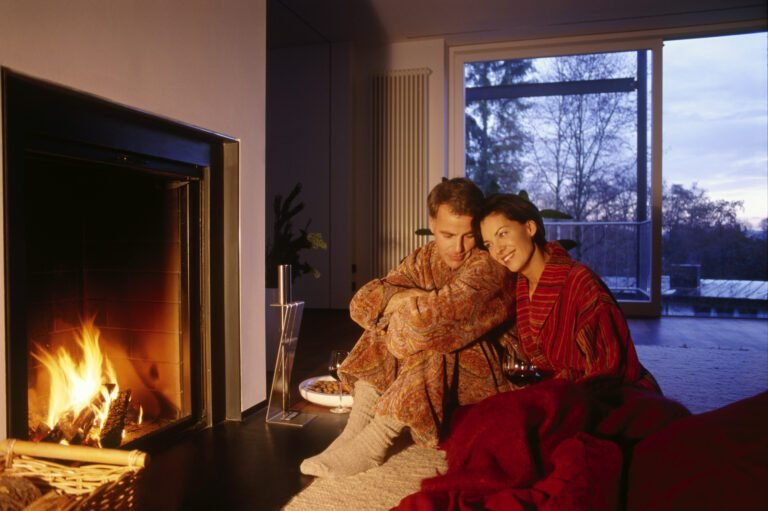
Have you ever wondered why your home feels warm on some days and chilly on others even when the thermostat says everything is fine? Most people blame the cold weather outside, but the truth is that warmth depends on many small details that often go unnoticed. Homes today face new challenges because of rising energy costs, unpredictable winters, and changes in the way people live.
In this blog, we will share what actually affects indoor warmth and how these details shape daily comfort.
How Heat Moves Through Your Home in Real Life
Heat does not stay where you want it. It moves to colder areas, slips through cracks, and escapes wherever it finds a weak point. This is why insulation, window quality, and airflow patterns matter more than they seem. Over the past few cold seasons, many families have noticed that their homes lose warmth faster than before. The rise in utility bills has pushed people to look beyond their thermostat and pay attention to the smaller features that decide whether a home stays warm without overworking the heating system.
People are also learning how modern living habits change the way heat travels indoors. Homes are filled with electronics, oversized furniture, and sealed rooms created for privacy. All these things affect air movement. When warm air cannot flow smoothly, comfort drops and energy use climbs. As states talk more about energy efficiency programs and weather-related concerns, homeowners are beginning to see heat flow as something they can manage, not a mystery.
Heating Systems and the Choices That Shape Your Comfort
Heating systems are now part of a larger national conversation about energy, comfort, and long-term planning. More homeowners are reviewing what they have because winter storms keep arriving earlier, and power costs continue to shift. A common question many people quietly search for is which furnace is right for your home, because the choice affects both warmth and monthly expenses. The answer depends on the size of the home, how well-sealed it is, and how much heat the system can deliver without short cycling. A furnace that turns on and off too often creates uneven temperatures and higher energy use, which makes some rooms warm and others noticeably cold.
People today also want heating systems that offer stability rather than quick bursts of heat. Newer systems provide more even airflow, better filtration, and smarter temperature controls. With more homes relying on programmable thermostats and energy-tracking apps, the way people manage heat has changed. These tools help you understand when your home loses heat and which rooms struggle to stay warm. When you choose the right system for your space, you reduce waste and create steady comfort. That improvement supports bigger trends toward sustainability, energy awareness, and responsible home upgrades.
Insulation: The Quiet Detail That Controls Everything
Insulation often sits in the background of home design, but it has a stronger impact on warmth than almost anything else. When insulation is thin, worn out, or missing in key areas, heat leaves the home quickly. This forces your heating system to run more often just to keep up. Many older houses in the U.S. still have insulation that has compressed with age, leaving wide gaps for warmth to escape. With colder winters and rising heating costs, homeowners have recently started checking attic and wall insulation more carefully because the results are felt almost immediately.
Adding proper insulation makes rooms feel more balanced and reduces annoying cold spots. It also helps keep humidity stable, which is important because dry air can make a warm home feel colder. This small improvement is becoming more common as people look for cost-friendly ways to create healthier indoor environments. A well-insulated home feels calmer and more predictable, especially during long stretches of winter weather. It is one of the most reliable ways to keep warmth inside without relying on constant heat adjustments.
Humidity and Why It Changes the Way Warmth Feels
Humidity plays a quiet but powerful role in how your home feels. When indoor air becomes too dry, it pulls moisture from your skin, making you feel colder. This can happen even when your thermostat reads a normal temperature. Many people notice increased dryness during colder months because heating systems strip moisture from the air. That is why static shocks, dry skin, and scratchy throats often appear at the same time the weather gets colder.
A small humidifier can make a room feel warmer without adding more heat. Balanced humidity helps the body hold heat longer, which increases comfort while reducing energy use. With more people working from home and spending extra hours indoors, humidity control has become part of home-comfort planning. This shift toward healthier indoor air has also created interest in whole-home humidifiers and air-quality monitors that keep conditions stable and comfortable.
Lighting, Color Choices, and the Psychology of Feeling Warm
Lighting shapes how your mind interprets warmth. Soft, warm lighting creates a sense of comfort, while bright white lights can make the same space feel colder. Many modern homes use strong LED lights that save energy but create a cooler visual tone. This can make rooms feel less cozy, especially during darker winter evenings. Choosing warmer bulbs helps make the home feel more inviting without turning up the heat.
Wall colors also matter because visual warmth changes how people experience physical warmth. Darker shades absorb heat and create a deeper, cozier feeling, while light or cool colors reflect brightness and feel airy but colder. Recent décor trends show a shift toward warm, earthy colors because people want homes that feel safe and grounded during uncertain times. This emotional layer adds depth to the idea of warmth and shows that comfort is both physical and psychological.
Daily comfort depends on many small details that work together. When you begin to notice these hidden factors, you gain more control over warmth, energy use, and the feeling of home itself. Winter becomes easier to enjoy when every part of your space supports real comfort.