



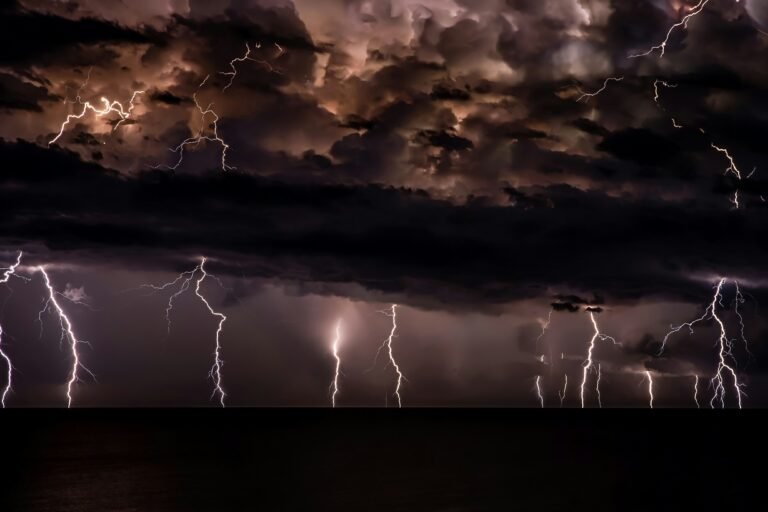
A storm leaves more than just clear skies behind when it passes. Its aftermath can range from inconvenient to truly catastrophic, impacting your home and the surrounding environment. Knowing what to expect before an approaching storm arrives can help you to prepare and manage potential damages better. In this blog, we will look at some of the scenarios of potential aftermaths with insights into challenges you could encounter during recovery efforts and how best to address them.
Light Storms: Minor Hiccups
Mild storms with light winds and moderate rain may seem harmless enough yet can still bring with them their share of disruptions and inconvenience.
Cluttered Yards and Blocked Gutters
Even the mildest storm can leave behind debris such as leaves, twigs, and small branches in your yard. Clogged gutters inhibit proper drainage and create water-related issues if left unchecked. While such damage is generally manageable, prompt cleanup is important to prevent more complications like pest infestation or excess moisture around your foundation.
Weakening of Outdoor Structures
Lightweight outdoor items that you leave outside may not fare so well even during mild weather events. They could easily become toppled over or slightly damaged if a strong storm hits. While this might only present minor inconvenience, it serves as a timely reminder to secure or store these loose items before any storm looms overhead.
Moderate Storms: Troubling but Manageable
When stronger winds, rainfall, or hail enter the picture, the risks to your home and surroundings increase considerably.
Roof Damage and Leaks
A moderate storm can quickly strip shingles off your roof, dent metal surfaces, or cause leaks to develop. Hailstones in particular have been known to cause significant roof damage that may not immediately be evident. Minor leaks left unaddressed could quickly worsen into major leaks that require costly repairs to rectify.
Fallen Trees or Large Branches
Trees add beauty and character to any yard, but moderate storms can sometimes bring large branches crashing down or even uproot whole trees altogether, causing havoc for your entire property as well as vehicles, walls, fences, or even home structures that they damage.
Power Outages and Utility Disruptions
Heavy storms often disrupt utility lines, cutting power, water, or internet service for hours, if not days. Without appropriate preparations in place, these outages and interruptions could significantly interfere with your daily life if appliances such as refrigerators or medical devices rely on electricity.
Severe Storms: Extensive Damage
Storms such as hurricanes, tornadoes, or tropical storms can produce widespread destruction that leaves homes and their surrounding environments devastated.
Flooding and Water Damage
An increasingly common result of severe storms is flooding. High water levels can flood homes, seeping into walls, floors, and basements and weakening the structural integrity while creating an ideal environment for mold growth, posing significant health risks. Standing water may damage landscaping or cause soil erosion outside.
Broken Windows and Structural Instability
Extreme winds can dismantle windows, leaving interior spaces exposed to rainwater and debris. Flying objects, such as lawn decorations, outdoor furniture, or tree branches, can strike walls and roofs, causing cracks or even structural failure. This effect could ripple into costly repairs that compromise the safety of home life.
Widespread Power and Communication Loss
Severe storms can result in widespread power outages due to utility poles being vulnerable to strong winds and lightning strikes, rendering heating, air conditioning, and sump pumps useless and aggravating flooding issues while making living conditions in your home uncomfortable, if not uninhabitable. Cell towers and internet infrastructure may sustain damage, which impairs communication with emergency responders as well as accessing critical emergency information.
The Ripple Effect on Outdoor Spaces
Damage from storms does not just impact the walls of your home but also has far-reaching repercussions in terms of impacting outdoor spaces as well.
Erosion and Damage to Landscaping
Heavy rain can erode and displace soil, damaging lawns, gardens, pathways, and retaining walls as it washes away topsoil from lawns, gardens, and pathways. Depriving plants of their topsoil makes it harder for them to grow, while pooled water can drown vegetation altogether. Even walls, driveways, and patios can experience damage with cracks or shifting appearing after major storms have passed through.
Polluted Waterways and Contaminated Soil
Storm runoff can transport pollutants such as chemicals from streets, debris from stormwater, or street-cleaning products into local rivers, lakes, or soil contaminant sources such as groundwater sources. This poses risks to the ecosystems locally as well as to pet health or your own. Be wary of areas that might present risks to pets, children, or your well-being.
Preparing for Recovery
Recovering after a storm varies in terms of its intensity. However, certain practices can help speed the recovery process more quickly.
Clean-Up and Inspection
Begin by clearing away debris from your property while prioritizing safety in cases such as downed power lines or hazardous materials. Thoroughly inspect your home for damages before documenting all the findings for insurance purposes.
Professional Assistance for Major Repairs
While minor repairs can often be completed without professional assistance, larger issues, such as roof or structural damage, should always be entrusted to licensed contractors with experience and the tools needed to safely and accurately restore your home.
Emergency Tree Removal Services
A storm can create hazardous situations where fallen or damaged trees pose threats to safety and property, which makes emergency tree removal services a must. Experienced specialists are equipped to safely assess and remove hazardous trees before further damage occurs to homes, power lines, or surrounding areas. Emergency tree removal services also allow repair crews access to damaged structures so they can restore utilities more quickly. By turning to professional experts, homeowners can ensure that tree hazards are handled efficiently, thus relieving stress during recovery efforts.
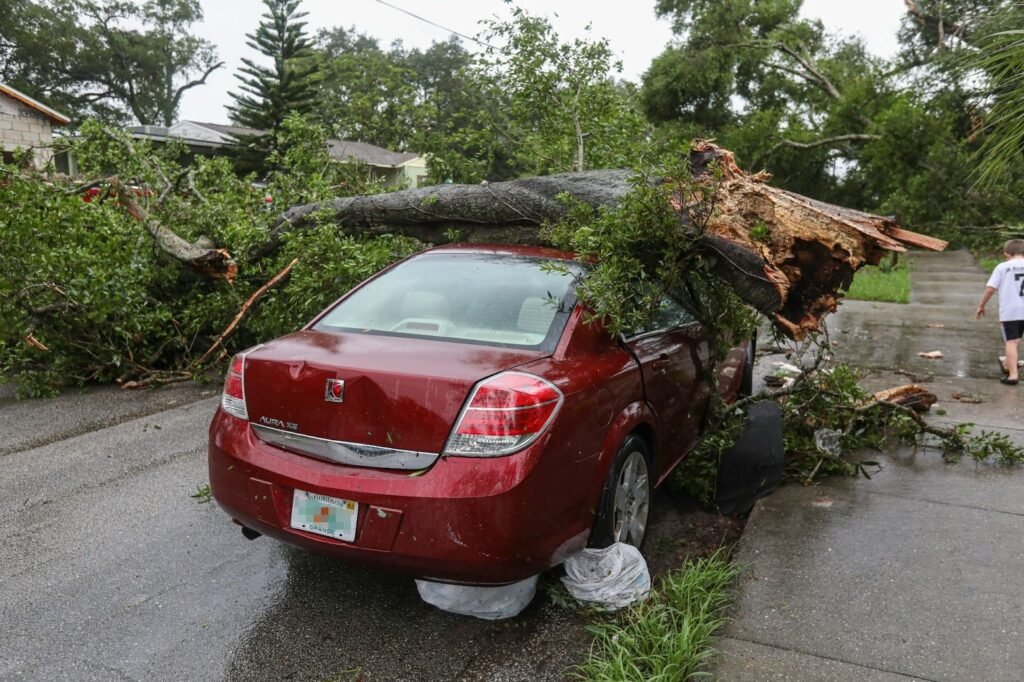
Photo by Mick Haupt on Unsplash
Conclusion
Storms may be unnerving and disorienting, yet they also demonstrate the value of resilience and preparedness. From mild clutter to complete destruction, their aftermath can have lasting repercussions for you and your surroundings. When you understand the potential challenges early and act swiftly to address them, storms provide opportunities to build stronger and wiser.