


Hair routines used to come with long checklists. Shampoo, condition, mask, serum, blowout, heat protectant, finishing spray, and maybe another round of curling for good measure. Professional stylists have been watching those routines shift in real time. Clients still want polished hair, but they want it faster, easier, and far less complicated. That shift has sparked a quiet reset inside salons across the country.
Stylists are leaning into techniques that stretch time between washes, simplify heat styling, and protect hair from unnecessary stress. The goal is not perfection. It is hair that looks healthy, moves naturally, and still works with real life schedules. That means fewer steps, smarter tools, and habits that keep hair looking fresh long after someone leaves the chair.
The Fresh Hair Illusion That Stylists Swear By
One of the most common conversations inside a salon chair starts with the same confession. Clients say they wish they could skip a wash day but still keep their hair looking clean. Professional stylists usually smile at that point because they know the secret weapon sitting just a few feet away.
A well applied dry shampoo can completely transform second or even third day hair. Stylists use it less as an emergency fix and more as a styling tool. When applied lightly at the roots and brushed through properly, it absorbs oil while adding subtle lift that freshly washed hair sometimes lacks.
The trick is timing. Instead of waiting until hair feels greasy, many stylists recommend applying a small amount the night before. The product has time to absorb oil while you sleep, and hair wakes up with a natural texture that holds styles better. It is a small habit shift that keeps hair looking refreshed without constant washing, which also protects natural oils that keep strands healthy and resilient.
Modern Curling Techniques Create Movement That Feels Effortless
Curling tools have been around forever, but the way stylists use them has changed dramatically. The stiff, overly structured curls of the past have given way to something softer and more relaxed. Clients now ask for movement rather than tight ringlets, and stylists have adjusted their technique to match.
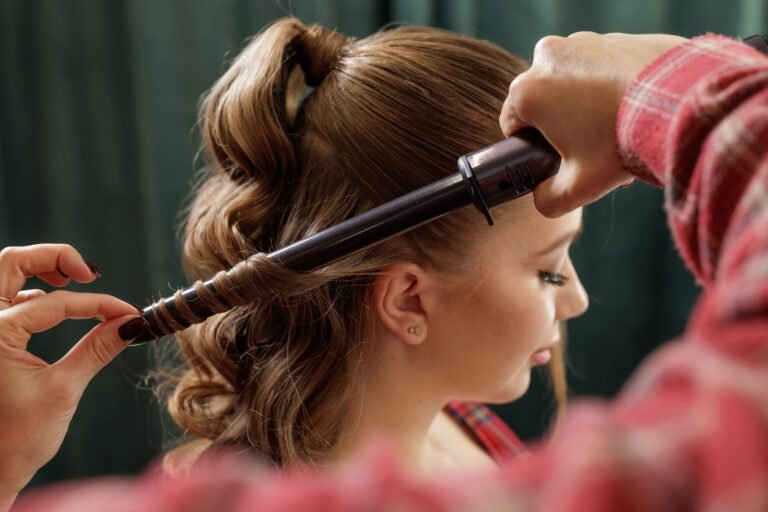
Many professionals now reach for a hair curler wand instead of a traditional clamp iron. Without the clamp, the hair wraps freely around the barrel, creating looser bends that feel more organic. The result looks less like a salon set and more like naturally textured hair that simply falls into place.
Technique matters just as much as the tool itself. Stylists often alternate curl directions and leave the ends slightly straighter so the overall style feels undone rather than overworked. When those curls cool and are brushed gently with fingers or a wide comb, the shape relaxes into soft waves that last far longer than most people expect.
Scalp Care Is Finally Getting The Attention It Deserves
For years the conversation around hair focused almost entirely on strands. Stylists now approach things from a different angle. Healthy hair starts at the scalp, and that realization has changed how professionals build hair care routines for their clients.
Scalp massages during shampoo services are no longer just a relaxing extra. They help stimulate circulation and distribute natural oils through the hair. Many stylists also recommend lightweight exfoliating treatments that remove buildup from styling products, pollution, and everyday oil production.
Once buildup disappears, hair tends to behave better. Styles hold longer, roots gain natural lift, and the overall texture becomes easier to manage. It is one of those simple shifts that changes the entire experience of styling hair at home.
Heat Styling Works Best When It Is Strategic
Heat tools are not going anywhere. Stylists still rely on them daily, but the difference lies in how often they are used and how hair is prepared before heat ever touches it. Professional stylists tend to focus on one well executed styling session that can carry hair through several days.
That approach might involve a careful blowout followed by loose waves, or a smooth straight style that can transition into a low bun or textured ponytail later in the week. The emphasis is on making the initial style versatile enough to evolve rather than starting from scratch every morning.
Heat protection also plays a larger role. Stylists make sure hair is fully dry before using hot tools, and they keep temperatures lower than many people expect. When hair is styled thoughtfully instead of repeatedly, it stays stronger and shinier over time.
Simple Styling Habits Are Replacing Overcomplicated Routines
Many salon clients arrive with a drawer full of products that rarely get used. Stylists often encourage a reset. Instead of layering product after product, professionals prefer a few reliable essentials that support the hair’s natural texture.
A lightweight styling cream, a flexible hold spray, and the occasional texturizing product often replace crowded shelves. With fewer products competing for attention, hair behaves more predictably and styles last longer. That simplicity also gives people more confidence to recreate their look at home without feeling like they need professional level tools or techniques.
A Healthier Relationship With Everyday Hair
Professional stylists see hair every single day, and that perspective shapes the advice they give. Hair does not need to be perfect to look good. In fact, the best styles usually feel relaxed and natural, with movement that reflects real life instead of rigid salon rules.
When simple habits replace complicated routines, hair becomes easier to manage and healthier over time. That shift has quietly reshaped modern hair care, proving that sometimes the smartest styling trick is simply doing less, but doing it well.