



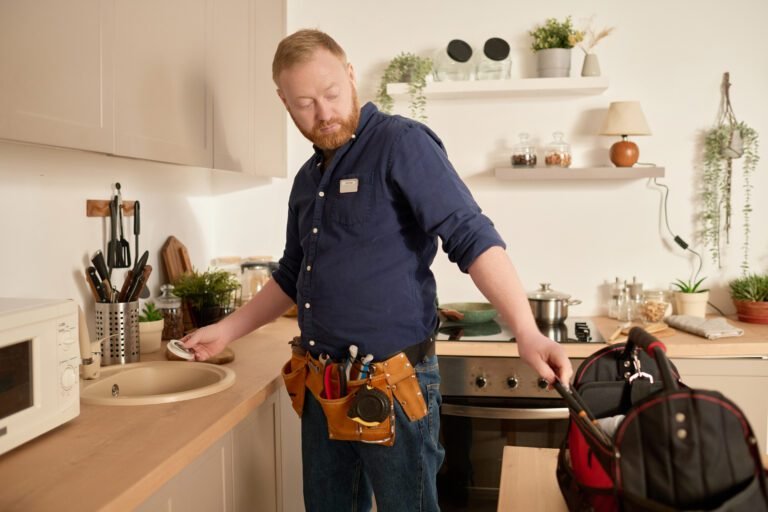
A home’s plumbing system is a complex network of pipes, fixtures, and appliances that operates largely out of sight. This hidden nature often leads to an “out of sight, out of mind” mentality among homeowners. However, neglecting this critical infrastructure can lead to sudden, severe, and extraordinarily expensive problems.
From catastrophic water damage to foundational shifts, the repercussions of a minor, undetected leak can be staggering. Proactive maintenance, specifically through scheduled professional regular and emergency inspections, isn’t merely a suggestion but a crucial investment in preserving a property’s structural integrity, financial value, and the occupants’ peace of mind.
Here’s how regular plumbing inspections from a plumber in Lakeway can prevent costly repairs:
The Hidden Dangers of Unchecked Plumbing Systems
Many of the most devastating plumbing failures begin as insignificant issues. A slight corrosion on a pipe, a tiny hairline crack in a drain line, or a minuscule malfunction in a water heater’s pressure relief valve can seem inconsequential. Over weeks, months, or years, these minor faults evolve into major emergencies. A small leak behind a wall can saturate insulation and wooden studs, creating a perfect environment for toxic black mold growth, which poses serious health risks.
Similarly, a slow drain line clog can gradually build up pressure until it causes a complete sewer backup, flooding a home with unsanitary wastewater. Regular inspection procedures are designed to identify these nascent problems before they have the opportunity to escalate, allowing for simple, affordable repairs that prevent disaster. Furthermore, engaging a skilled plumber in Lakeway for routine check-ups can also be one of the most effective lines of defense against many plumbing catastrophes.
Early Leak Detection: Preserving Structure and Finances
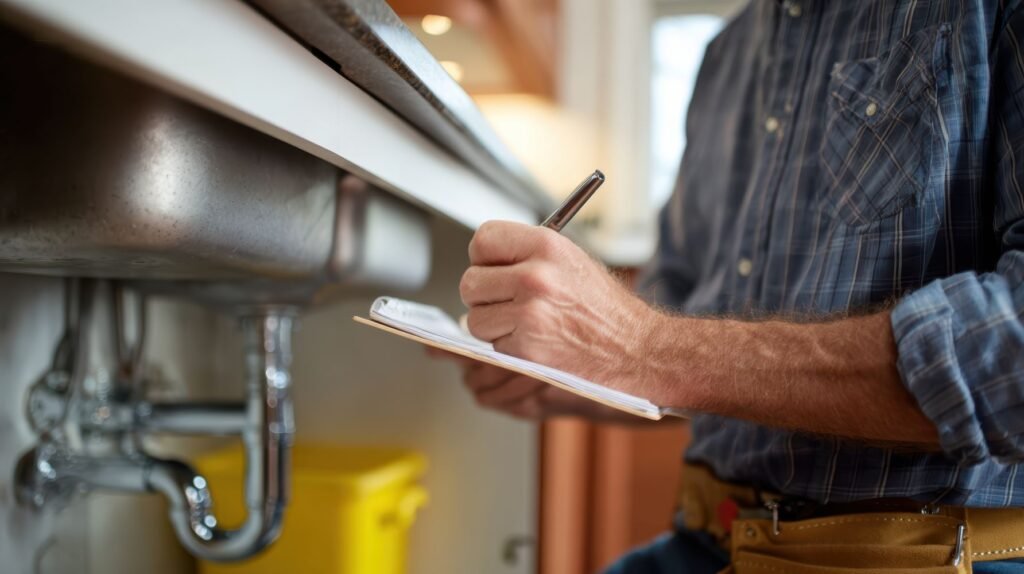
Water is incredibly destructive, and undetected leaks are among the most common and costly issues in residential plumbing. A leak originating from a supply line under a slab foundation or within a wall cavity can go unnoticed for an extended period. During this time, it can cause rot in structural wood, compromise drywall, ruin flooring, and damage personal belongings. The financial impact encompasses extensive water damage restoration, mold remediation, and potential increases in insurance premiums.
Professional plumbers utilize advanced technology, such as acoustic listening devices, thermal imaging cameras, and video pipe inspection scopes, to pinpoint the exact location of hidden leaks without the need for invasive demolition. Identifying and repairing a minor leak during an inspection is a low-cost procedure compared to the tens of thousands of dollars often required to repair the structural damage from a long-term, hidden leak.
Ensuring Appliance Longevity and Efficiency
Hot water heaters, garbage disposals, water softeners, and other plumbing-adjacent appliances represent significant investments for any homeowner. These appliances have a finite lifespan, but their longevity is heavily influenced by both maintenance and the quality of water that runs through them. During a comprehensive inspection, a licensed plumber will assess these units for signs of sediment buildup, corrosion, and component wear. For instance, flushing a water heater to remove sediment can dramatically improve its efficiency, lower energy bills, and prevent premature tank failure.
Checking the anode rod, a crucial component that sacrifices itself to protect the tank from corrosion, can significantly extend the appliance’s life. Proactive maintenance can ensure these expensive appliances operate at peak performance for as long as possible, delaying the need for costly replacements.
Preventing Drain and Sewer Line Catastrophes
The main drain and sewer lines that carry wastewater away from a property are perhaps the most overlooked components of a plumbing system. These underground pipes are susceptible to blockages from tree root intrusion, grease accumulation, and the breakdown of older sewer pipes made from cast iron or clay. A complete sewer line backup is a homeowner’s nightmare, resulting in multiple clogged fixtures, foul odors, and hazardous sewage entering the home.
A routine sewer inspection includes a video camera inspection of these main lines. This process involves snaking a high-definition camera through the pipes, providing a real-time view of the interior condition. This allows a technician to identify potential blockages, root intrusions, or structural damage, such as cracks and bellies, long before they cause a system-wide failure. Addressing a root intrusion with a mechanical auger early on is also a straightforward task. For instance, excavating and replacing a collapsed sewer line can be one of the massively disruptive and expensive plumbing projects.
Safeguarding Water Quality and Pressure
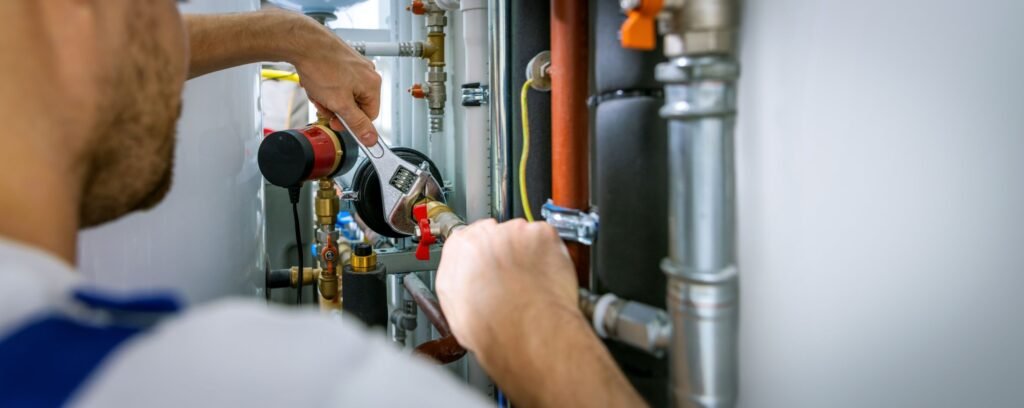
The quality and pressure of a home’s water system supply can have a direct impact on daily life and the health of the plumbing system. Excessively high-water pressure, while feeling powerful in the shower, places immense strain on pipes, joints, and appliance valves, dramatically increasing the likelihood of leaks and failures. A plumbing contractor will test the home’s water pressure during an inspection and install or adjust a pressure-reducing valve if necessary.
Additionally, inspectors can identify issues with water quality, such as high mineral content (hard water), which leads to scale buildup inside pipes and appliances, reducing efficiency and flow. Recommending and installing an appropriate water filtration system can also protect the entire plumbing infrastructure and improve the water’s taste and feel.
Key Takeaway
The integrity of a home’s plumbing system is too critical to leave to chance. Waiting for a pipe to burst, a drain to backup, or an appliance to fail is a gamble with exceptionally high stakes. Regular, professional plumbing inspections provide a scientifically sound and economically prudent alternative. By keeping the information mentioned above in mind, homeowners can preserve their home’s structure, protect valuable appliances, ensure the safety of the water supply, and ultimately provide homeowners with invaluable confidence, security, and better quality of life.