

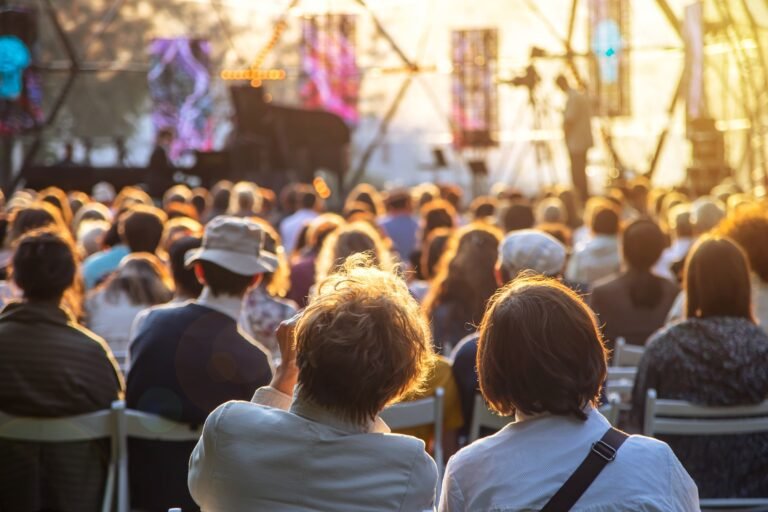
Local events are an important way to build ties in the community, support local culture and provide something fun, educational or just entertaining for people of all ages. From small local gatherings to large town shows, running a great event is all in the planning, communication and delivery. In this guide, we’ll cover the fundamentals of event organization for community events, planning, volunteer management, registration systems and logistics.
Planning the Event: The Foundation
The foundation for the success of any occasion is a good plan. If you don’t have well defined objectives and an organized approach, the event can rapidly degrade into chaos and disappointment.
Illustrate the Event’s Purpose and Goals
Before planning any type of community event, you need to decide what its purpose will be. Ask yourself questions like:
- Does the event commemorate a local holiday or custom?
- The fundraiser of a local cause or charity?
- Are you planning to use the event to promote social awareness?
It is also important to define clear, measurable objectives. Whether it’s increasing community involvement, earning a set amount of money or just producing a fun day for families, clear goals will help keep you on track as planning progresses.
Selecting a Venue
The location is the most crucial choice of event planning. It should be appropriate for the number of guests and have an appropriate atmosphere. When selecting a venue, you’ll want to keep in mind:
- Size: Make sure it is large enough for all activities and smooth movement of people.
- Place: A place that can be visited by the public. It should be centrally located, if possible and well served by public transport.
- Accessibility: Ensure the venue is accessible to people with disabilities.
- Permits: Make sure your venue doesn’t require any special permits, particularly if you’re in a public space or having a large event.
Creating a Budget
Creating a detailed budget is going to be key if you want to manage costs. Include all expenses, such as:
- Venue rental fees
- Insurance and permits
- Equipment and supplies
- Advertising and promotion
- Volunteer appreciation
Budgeting properly can also help you avoid overspending, ensuring that money goes where it’s needed most.
Building the Team: Whom Are We Looking For
Hot on the heels of every such success is a group of tireless volunteers and staff. The term is yours for success, one and all have to continue on that plane with you.
Recruiting Volunteers
For the most part, volunteers are the heart of all community events. Key to the success of an event is in recruiting the right people. Promote volunteer roles through local networks, social media and community board. Be clear about the various roles on offer and the time you expect people to give. Enthusiastic volunteers can greatly affect the perception and experience of an event.
Role Assignment & Communication
Role assignment is a key element of volunteer management. Make sure all volunteers are well-apprised of what is expected of them. Typical Roles at Community Events would be:
- Registration and check-in
- Set-up and take-down teams
- Crowd control and safety
- Event mangers (directing guests, giving directions and instructions)
- First aid teams
Effective communication is also essential. Be sure everyone is aware of whom to contact if something goes wrong or if they need help.
Training & Briefing Volunteers
Training your volunteers to know what their responsibilities are at the event and how to handle situations that may come up is important. Have a short pre-event briefing, discussing logistics, safety rules and what you expect of the event. Volunteers who feel confident and capable cause less stress on event day.
Registration Systems: Streamlining Event Participation
Efficient registration is key to all events, but especially for big ones. It aides in keeping track of guests, reducing wait times for check-in, and cutting down on bottlenecking at the door.
Choosing the Right Registration Platform
There are several places you can register to make it easier. Some popular options include:
- Eventbrite: Offer ticketing and attendee tracking.
- Google Forms: An easy, free option for smaller affairs.
- Customized Events Management Systems: If you are organizing huge events, you may require a customized system that offers online registration, payment processing and updates.
Select the platform best suited to your event’s size, budget and technical requirements.
Handling Attendee Data & Security
Along with registration comes the onus to keep attendee data safe. Be sure that you follow data protection laws like GDPR if you are managing personal information. Provide transparent instructions on how data is being utilized, stored and secured.
On-Site Check-In & Badge Management
Ensure a smooth check-in on the day of the event. Consider using name badges or lanyards or bandanas from 4inlanyards for bigger events to ensure volunteers, staff, and attendees are easy to identify. Such images go some way towards crowd control, making sure everyone is where they’re meant to be. You also have the option to pre-print badges to expedite check-in or provide digital check-ins for contactless entry.
Logistics and Set up: Building your Event.
Logistics are of the essence, when it comes to keeping your event running smoothly. Method You need to be fully prepped ready for your guests.
Event Layout & Design
One of the classic things that you should plan is the layout. Think about the pieces and how that space will be used. For example:
- But where will you find food and beverages?
- What about the stage or entertainment?
- Where are the crowd-control hotspots?
Good flow of traffic and guests will have access to all areas easily.
Signage and Wayfinding
Good signage lets guests navigate the event and know where to find (bathrooms, first aid, food booths). Signs must be easily seen and easy to read, with clear branding for your event.
Technology and Equipment
In many events, tech is a must. You might need:
- Speech or performance audio gear
- Projectors for presentations
- Wi-Fi for staff and attendees
Be sure to do a complete equipment check in order to prevent tech mishaps.
Event Day Management: Running Everything Smoothly
Day of, you really need to manage the flow and make sure everything is going according to plan.
Coordinating with Vendors & Partners
Communication with vendors is critical. Get the word out to food vendors, performers and sponsors about what you want them to do and when. Make sure they are there on time and set up before the ceremony starts.
Providing a Simple Experience for Attendees
Make it a place to be for visitors. Establish help desks or information stations, and make the staff who can help people get from one place to another visible. If it makes sense to do so, think about having water stations, rest areas or kid-friendly zones available.
Flow of the Event Control
Continue monitoring schedules and staying in constant touch with your crew during the event. Be prepared for the unexpected, like delays or technical problems. Flexibility is key to a successful event.
Post-Event Wrap-Up: Evaluating Success
Once the show is finished, it’s time to judge and learn.
Feedback Collection
Get feedback from guests and volunteers. This may be in the form of surveys, casual chats, and post-event debriefs. It’s important to find out, what worked, as well as what didn’t when planning for the future.
Reviewing Event Data
Check out the data: How many people came? Did you stay within budget? Was your fundraising goal met? This data will help you measure the ‘success’ of your event.
Sending Thank-You Notes & Acknowledgments
Spend time to thank all the people involved — volunteers, sponsors and attendees. Appreciation in it’s known forms recognizing people is the best way to make them feel appreciated and come back for any future events or donations.
What Worked and Making It Better For Next Time
Every event provides valuable lessons. Take suggestions/comments and learn from them to make your next event better.
What Worked and What Didn’t
Review your entire event process and take note of what worked and what didn’t. Were there issues with registration? Did you need more volunteers? By evaluating these points, you will be able to do better.
Planning for Next Time
When you have taken in the feedback, begin planning third time round – that would be your next event. Whether that’s new signage, a new registration system or more volunteers on the ground; incremental improvement results in better community engagement down the line.
The Importance of Community-Focused Events
Community networking It requires good preparation, strong collaboration and lots of manpower to plan a community event. But the payoff — a gathering that people want to attend — is worth the work. You can produce a fun and meaningful event that brings your community together by staying focused on simple objectives, efficient registration processes, well-trained volunteers and smooth logistics.