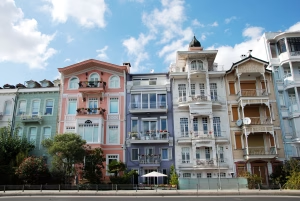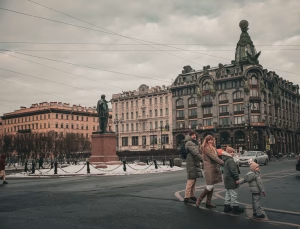





Have you ever walked through a neighborhood and felt an immediate sense of place? It’s a feeling that goes beyond just seeing pretty buildings. It’s when the streets are inviting, the public spaces are buzzing with life, and every detail, from the benches to the storefronts, feels intentional. These are design-forward urban neighborhoods, and they represent the very best of city living.
Exploring these areas isn’t just for architecture buffs. It’s for anyone who appreciates how thoughtful design can shape our daily experiences, making them more beautiful, convenient, and connected. These neighborhoods are living showcases of creativity, blending history with innovation and community with culture. They are the places that inspire us, whether we’re just passing through or looking to put down roots.
Architectural Gems of the City
The first thing you notice in a design-forward neighborhood is often the architecture. It’s the visual language that tells the story of the area. This doesn’t always mean shiny new skyscrapers. In fact, some of the most compelling neighborhoods are those that masterfully blend old and new. Think of the Meatpacking District in New York, where historic industrial buildings now house high-end boutiques and galleries, or the Distillery District in Toronto, which transformed Victorian-era industrial architecture into a pedestrian-only arts and culture hub.
The beauty lies in the diversity of form. You might see a row of preserved 19th-century townhouses sitting comfortably next to a striking contemporary condo building. This juxtaposition creates visual interest and a sense of history and evolution. It’s a reminder that cities are not static museums but dynamic, growing organisms. For those who want to see these details up close, guided architecture tours and experiences offer a fantastic way to understand the thought process behind the facades and learn the stories of the structures that define a city’s skyline and streetscape. These tours reveal how architects have solved problems, embraced new materials, and paid homage to the past while building for the future.
Finding a Home in a Vibrant Community
Living in a beautifully designed neighborhood means your own home becomes part of that larger aesthetic tapestry. The principles of good design don’t stop at the sidewalk; they extend right into the apartments and homes that line the streets. When you’re looking for a place to live in one of these areas, you’re not just choosing a floor plan; you’re choosing a lifestyle shaped by thoughtful details.
Developers in design-centric areas often prioritize features that enhance the urban living experience. This can include floor-to-ceiling windows to maximize city views, flexible open-concept layouts that adapt to modern life, or private balconies that provide a personal slice of the outdoors. The materials used, from the lobby finishes to the kitchen countertops, are chosen for both their beauty and durability.
For anyone considering a high-rise residence, understanding why condo exposure is critical can help you make a more informed decision. The direction your unit faces affects everything from natural light and energy efficiency to indoor comfort and even the long-term preservation of furniture and artwork. A well-designed building considers this from the earliest stages, orienting units to optimize light and views, which directly contributes to a resident’s well-being.
Art and Culture Hotspots
A neighborhood’s soul is often found in its art and culture. Design-forward communities understand this and weave creative expression into their very fabric. This goes far beyond just having a few galleries. It’s about creating an environment where art is accessible and part of everyday life. You see it in the large-scale murals that turn blank walls into vibrant canvases, the imaginative sculptures that transform public plazas, and the independent theaters and music venues that provide a platform for local talent.
Integrating arts and culture in city design is a deliberate strategy to foster identity and connection. When a community invests in its creative sector, it attracts residents and visitors who are passionate, engaged, and eager to participate. The role of public art and culture becomes central to placemaking, giving a neighborhood a distinct personality that can’t be replicated. Think of the Wynwood Walls in Miami or the East Side Gallery on the remnants of the Berlin Wall. These places are more than just attractions; they are community gathering spots and powerful symbols of their city’s creative energy. Living in or visiting these areas means you’re constantly surrounded by inspiration.
Walkable Streets and Green Spaces
Truly great urban design is human-scaled. It prioritizes people over cars, creating environments that are a pleasure to walk through. Design-forward neighborhoods are characterized by their walkability, featuring wide sidewalks, safe crosswalks, and a rich mix of shops, cafes, and services that make it easy and enjoyable to run errands on foot. This “15-minute city” concept, where daily necessities are within a short walk or bike ride, is a hallmark of modern urban planning.
Just as important as the built environment is the inclusion of nature. The most livable neighborhoods balance concrete and steel with lush green spaces. This can take many forms, from small “pocket parks” tucked between buildings to expansive public squares and innovative projects like The High Line in New York City. These green oases provide a place for relaxation, recreation, and community gathering. They improve air quality, reduce the urban heat island effect, and have been shown to boost mental and physical health. The seamless integration of walkable infrastructure and accessible green space is what transforms a collection of buildings into a thriving, breathable community.
The Future of Urban Design
The evolution of our cities is constant, and today’s most innovative neighborhoods offer a glimpse into the future of urban living. Sustainability is at the forefront of this movement, with new developments incorporating green roofs, rainwater harvesting systems, and energy-efficient materials. Adaptive reuse is another powerful trend, where old factories, warehouses, and even churches are given new life as residential lofts, offices, or community centers. This approach preserves a city’s character and history while reducing waste and environmental impact.
Technology is also playing a larger role, with “smart city” initiatives that use data to improve everything from traffic flow to energy consumption. However, the most exciting future developments are often those driven by the community itself. A growing number of community-led design initiatives are empowering residents to have a direct say in the development of their own neighborhoods. This collaborative approach ensures that new projects meet the actual needs of the people who live there, creating more equitable, resilient, and genuinely loved places.
Ultimately, the best design-forward neighborhoods are those that feel alive. They are constantly changing and adapting, shaped by the architects, artists, and residents who call them home. Seeking out these places, whether for an afternoon stroll or a lifetime, reminds us of the power of thoughtful design to elevate the human experience.