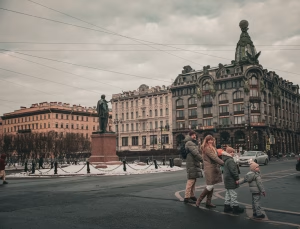





Planning a vacation can often feel like you’re just following someone else’s instructions. You book flights, find a hotel, and pull up a list of the top ten attractions. But then you might get home feeling like you missed something, like the experience wasn’t really yours. The real answer isn’t to travel more, but to travel with more thought. When you curate your getaway, you’re not just checking things off a list; you’re creating an experience that’s personal and meaningful.
Beyond Standard Tourist Traps
Famous landmarks are definitely appealing, but they often come with long lines, huge crowds, and a very “made-for-tourists” feel. While seeing an iconic spot can be special, if your whole trip is just about these places, it can feel impersonal. The travel moments you remember most often happen away from the big attractions, where you can really connect with the place.
Getting past tourist traps means you need to rethink what a “must-see” actually is. Instead of letting a guidebook tell you what to do, let your own curiosity lead the way. It’s about being a traveler, not just a tourist. A traveler really gets into their surroundings, looks for real interactions, and finds beauty in everyday things, not just grand monuments. This way of thinking turns a simple trip into a collection of personal stories and discoveries.
Personalizing Your Itinerary
The best way to make sure your trip is fulfilling is to build it around what you love. Instead of asking, “What should I see in this city?” ask, “What can I do here that I enjoy?” If you love art, skip the huge, crowded museum and spend a day exploring smaller, independent galleries in a cool neighborhood. If you’re a foodie, plan your route around local markets and small, family-run restaurants. When you build a trip around your hobbies, every activity feels more rewarding.
For someone who loves being on the water, a perfect day might be chartering a boat for a morning of fishing instead of joining a big, impersonal tour group. By filling your itinerary with activities that genuinely excite you, you create a vacation that truly reflects who you are.
Experiences Over Sightseeing
There’s a big difference between just seeing a place and actually experiencing it. Sightseeing is often pretty passive; you look at a building, a monument, or a landscape. But an experience is active and immersive. It uses all your senses and creates a lasting memory that a simple photo can’t capture. When you prioritize experiences, it will fundamentally change how families remember vacation.
Instead of just visiting a famous food market, sign up for a cooking class that teaches you how to make a local dish using ingredients from that very market. Rather than just admiring a beautiful coastline from a viewpoint, rent a kayak and explore its hidden coves up close. Choosing hands-on activities lets you take part in the local culture instead of just watching it from the sidelines. These are the moments that stay with you long after you’ve come home.
Finding Local Gems
The travel discoveries you cherish most are often the ones you find by chance. To find these local gems, you need a bit of curiosity and a willingness to wander off the usual path. While guidebooks have their place, the real magic happens when you tap into local knowledge. Start by reading blogs or online magazines written by people who actually live in your destination city.
Once you’re there, talk to people. Ask the person who makes your morning coffee for their favorite lunch spot, or the shopkeeper for a recommendation for a quiet park. The tips you get from these simple conversations are incredibly valuable. Another great strategy involves exploring custom vacation planning that focuses on unique, off-the-beaten-path spots. Just taking a walk through a residential neighborhood without a map can reveal charming cafes, unique shops, and a glimpse of daily life you’d never find in a tourist area.
Relaxation and Rejuvenation
It’s a strange thing about modern travel: you often come back from vacation feeling like you need another one. This usually happens because your itinerary was too packed, leaving no time for spontaneity or rest. A well-planned trip should make you feel refreshed, not exhausted. The trick is to intentionally schedule downtime.
Don’t try to see and do absolutely everything. Block out entire afternoons with no plans at all. Give yourself permission to sit in a cafe for hours, read a book in a park, or just wander without a specific destination. Real rejuvenation comes from giving your mind and body a break from the constant pressure to be productive. A perfect vacation isn’t about how much you can squeeze into a week; it’s about coming home feeling refreshed, inspired, and more connected to yourself.
Your next trip doesn’t have to be a whirlwind tour of crowded attractions. When you focus on your personal interests and look for authentic experiences, you can design a getaway that truly revitalizes you.