



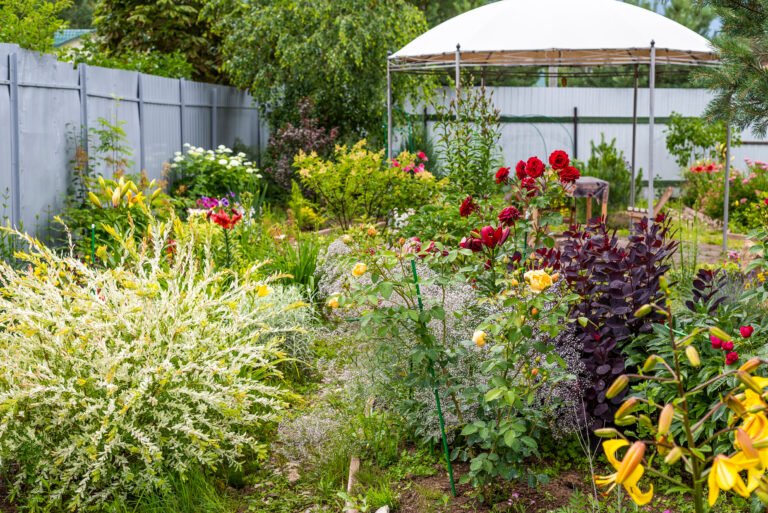
For many homeowners, gardening begins as a casual weekend activity—watering a few plants, tidying beds, maybe growing herbs for the kitchen. Over time, it evolves. Watering becomes daily. Tasks multiply. Tools need cleaning, produce needs rinsing, lawns need consistency, and suddenly your outdoor water setup is no longer a minor convenience—it’s infrastructure.
Unfortunately, most backyard water systems were never designed for this level of use. A single outdoor faucet, aging connectors, and fluctuating pressure quickly become limiting factors for DIY gardeners who want efficiency, flexibility, and control. The result is a routine filled with workarounds: swapping hoses, juggling timers, and accepting leaks as inevitable.
The good news is that building—or upgrading—a reliable backyard water system doesn’t require professional installation or invasive digging. With thoughtful planning and the right plumbing components, homeowners can create a system that supports everyday gardening needs while remaining adaptable for the future.
This guide walks through a practical, editorial approach to designing a backyard water system that works with your gardening habits, not against them.
Step 1: Evaluate the Existing Water Source Before Expanding
Every DIY outdoor plumbing project starts at the same point: the home’s existing water supply. Most houses are equipped with at least one outdoor faucet or hose bibb, but functionality varies widely depending on age, installation quality, and maintenance history.
Before adding branches, hoses, or irrigation, take time to assess the current setup:
- Is the faucet easy to access, or awkwardly placed behind landscaping?
- Does it leak at the stem or connection point when in use?
- Is there an interior shut-off valve that controls the outdoor line?
- Does water pressure noticeably drop when indoor fixtures are running?
These details matter. A leaking or poorly controlled source introduces risk into every downstream upgrade. In many cases, the smartest first step is not expansion—but stabilization. Upgrading fittings, replacing worn connectors, or installing a dedicated shut-off valve dramatically improves control and safety while laying a solid foundation for future DIY work.
Addressing issues at the source prevents frustration later and ensures that everything you build downstream performs as intended.
Step 2: Design Around Real-World Water Use, Not Assumptions
One of the most common DIY mistakes is designing a system based on what might be useful instead of how water is actually used day to day. Overbuilt systems become complex and underused; underbuilt systems require constant adjustment.
Start by listing how water is genuinely used in your garden:
- Hand watering raised beds, planters, or borders
- Lawn sprinklers or oscillating sprinkler heads
- Drip irrigation for vegetables or shrubs
- Washing tools, pots, boots, or harvested produce
Each use case has different requirements. Drip irrigation systems typically perform best with steady, lower pressure. Hose sprayers and cleaning tasks often require higher flow. Trying to serve all purposes through a single uncontrolled outlet usually leads to compromise on all fronts.
Designing around actual usage allows you to assign flow paths intentionally, reduce unnecessary fittings, and avoid pressure conflicts that frustrate gardeners over time.
Step 3: Introduce Branching for Control and Flexibility
Once usage patterns are clear, the next logical upgrade is branching—dividing a single water source into multiple controlled outlets. This is one of the most impactful improvements a DIY gardener can make, and it can be achieved entirely above ground.
Using simple components such as splitters, valves, and short pipe runs, branching allows you to:
- Water multiple zones without disconnecting hoses
- Isolate one section for maintenance or adjustment
- Run irrigation systems while still using a hose
- Maintain consistent pressure across different tasks
Component quality is critical here. Outdoor plumbing faces constant exposure to sun, moisture, and temperature changes. Low-quality connectors may work temporarily but tend to leak, warp, or fail across seasons.
For this reason, many DIY gardeners prefer sourcing fittings and valves from dedicated suppliers like PlumbingSell, where outdoor-rated components are designed for long-term use rather than short-term fixes.
👉 A wide range of DIY-friendly plumbing parts can be found at https://plumbingsell.com/ for backyard and garden projects.
Branching transforms a single faucet into a functional distribution point—one that adapts to how you actually garden.
Step 4: Keep the System Modular and Accessible
Gardens are living spaces. Beds expand, layouts change, and new ideas emerge. A rigid water system that can’t adapt quickly becomes an obstacle rather than a support.
A well-designed DIY water system prioritizes:
- Modularity – sections can be added, removed, or rerouted
- Standardization – consistent pipe sizes and fittings
- Accessibility – all connections reachable without digging
Using common sizes and straightforward layouts ensures that future upgrades remain simple. Adding a raised bed, installing a greenhouse, or incorporating an outdoor sink shouldn’t require undoing existing work. Modular plumbing allows you to build in phases, adapting as your garden evolves.
This approach protects your time investment and keeps the system relevant as your needs change.
Step 5: Plan for Seasonal Maintenance From the Start
Outdoor plumbing operates in a harsher environment than indoor systems. UV exposure, moisture, and temperature swings all contribute to wear over time. DIY systems that ignore seasonal realities tend to fail prematurely.
Smart designs include:
- Drain points that make winterizing straightforward
- Valves that can isolate outdoor sections when not in use
- Fittings specifically rated for outdoor exposure
Planning for maintenance upfront saves time every year and significantly extends the life of the system. It also reduces the risk of freeze damage, leaks, and emergency repairs when the gardening season begins again.
Building a System That Grows With You
A reliable backyard water system is less about complexity and more about intention. By starting with a solid source, designing around real use, adding controlled branching, and keeping everything modular, DIY gardeners can create a setup that feels effortless rather than improvised.
These upgrades don’t just improve efficiency—they change how enjoyable gardening feels. Tasks become smoother. Adjustments take seconds instead of minutes. Water works where and when you need it.
And ultimately, that’s the goal of any DIY project: not just building something functional, but creating a system that quietly supports the work you love to do outdoors.