


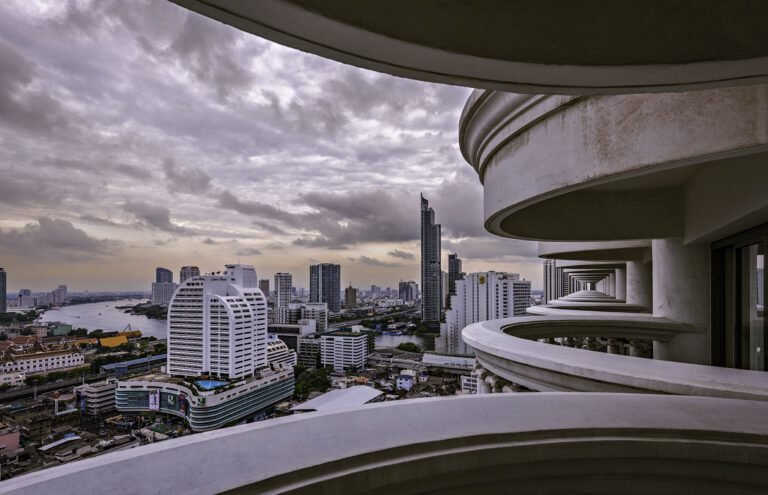
Bangkok has long been celebrated for its vibrant street life and ornate temples. Recently, however, a new wave of aesthetic appreciation has swept through the Thai capital. At the centre of this architectural renaissance is the Sukhumvit district. Once known primarily as a bustling commercial artery, Sukhumvit has transformed into a living gallery of contemporary design. For aesthetic-driven globetrotters, the area offers an intoxicating mix of cutting-edge architecture, bespoke interiors, and deeply rooted cultural motifs.
When exploring a design-forward neighbourhood, your choice of accommodation sets the tone for the entire trip. Design-conscious travellers want their lodgings to mirror the creative energy of the streets outside. Securing the best 4 star hotel in Sukhumvit has to offer visitors to experience premium amenities and thoughtful interiors without the rigid formality sometimes found in older luxury institutions. These modern properties often feature sleek lounges, curated art pieces, and intuitive room layouts catering to a style-savvy audience. Staying in the heart of this district means you are never more than a short walk from the next architectural marvel or beautifully designed cafe.
The Evolution of Thai Hospitality Design
The visual language of Bangkok is shifting from purely traditional aesthetics to a sophisticated blend of old and new. Leading architects and interior designers are redefining the city’s hospitality landscape by weaving traditional Thai craftsmanship into highly modern spaces.
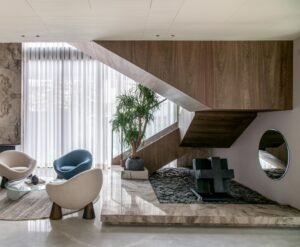
As we examine global design trends, it becomes clear that modern Bangkok venues are embracing a philosophy of relaxed luxury. This approach juxtaposes sleek, contemporary structural elements with authentic regional materials like Jim Thompson silk and handmade ceramics. This dialogue between rich heritage and progressive design creates an atmosphere feeling both authentic and undeniably modern. While many travel to Europe to explore influential modernist buildings and historic landmarks, visitors to Bangkok are increasingly drawn to how the city’s contemporary spaces tell a compelling cultural story through texture, light, and form.
Furthermore, urban planners and private developers are collaborating to create pedestrian-friendly zones interspersed with art installations. This ensures that the aesthetic experience extends beyond the lobby and into the public sphere, transforming a simple walk down the street into an immersive visual journey.
Bringing the Jungle into the Concrete Environment
One of the most striking trends in Sukhumvit is the integration of nature into urban environments. Known as biophilic design, this movement seeks to connect building occupants more closely to nature. In a densely populated city like Bangkok, architects are using cascading indoor gardens, living green walls, and open-air courtyards to provide a sense of visual relief and tranquillity.
According to recent industry insights, Asia is currently at the vanguard of biophilic hotel architecture, seamlessly inviting the outside in. Modern tropical architecture and adaptive reuse are shaping the area, turning forgotten buildings into lush, breathable social spaces. This organic approach ensures that even the most modern structures retain a deep connection to Thailand’s lush, tropical geography.
This commitment to greenery goes beyond mere aesthetics. By incorporating sustainable design practices, these venues are helping to mitigate the urban heat island effect, providing a cooler, more comfortable microclimate for patrons and pedestrians alike.
Key Elements Defining Sukhumvit’s Visual Identity
The district’s appeal goes beyond simple aesthetics. It represents a cohesive movement in how urban spaces are experienced by locals and visitors alike. If you are walking through Sukhumvit, keep an eye out for these defining design trends:
- Adaptive Reuse: Older commercial shophouses and industrial spaces are being converted into boutique galleries, speakeasies, and artisanal coffee shops.
- Textural Contrast: Raw concrete and exposed steel are frequently softened by warm teak wood, woven bamboo, and rich silk fabrics.
- Indoor-Outdoor Fluidity: Massive glass facades and retractable walls blur the line between interior air-conditioned comfort and the vibrant, humid energy of the street.
- Art-Centric Social Spaces: Lobbies and dining areas are increasingly doubling as rotating exhibition spaces for local Thai artists and international creators.
A New Era for Creative Tourism
Sukhumvit is proving that rapid urban development does not have to come at the expense of cultural soul or aesthetic beauty. By championing relaxed luxury, celebrating natural integration, and repurposing historical architecture, the district has cemented itself as a premier destination for creative minds.
For the design-conscious traveller, Bangkok’s most dynamic neighbourhood is an essential source of inspiration. Whether you are admiring the structural ingenuity of a newly built skyscraper or enjoying a coffee in a meticulously restored shophouse, Sukhumvit offers a masterclass in contemporary urban design.