


The era of the sterile, windowless boardroom is quietly fading. For decades, business travel and corporate gatherings were defined by function over form. A meeting space was simply a container for people, consisting of four beige walls, a mahogany table, and fluorescent lighting that hummed a low, distraction-inducing tune. But as the lines between work, life, and travel blur, a new philosophy is emerging in the hospitality world.
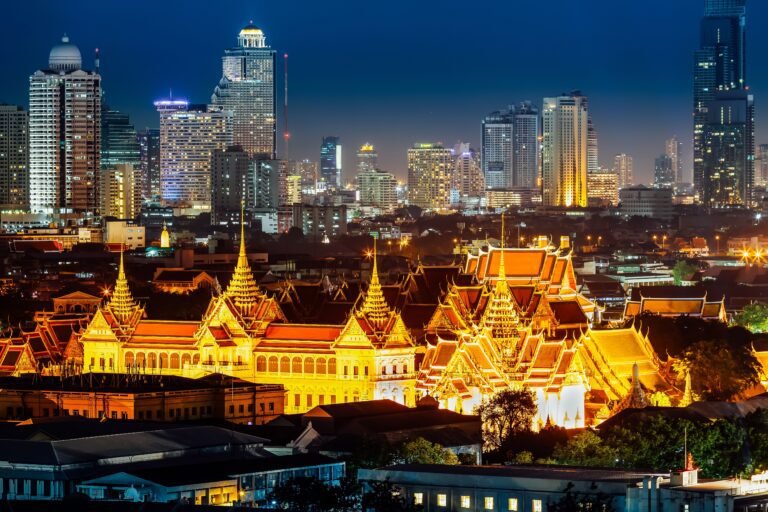
Nowhere is this shift more palpable than in Bangkok. Known for its chaotic energy and refined hospitality, the city is reimagining what it means to gather for business. The focus has moved beyond reliable Wi-Fi and coffee service to something far more intangible yet impactful: the soul of the space. For the design-conscious traveler and the modern executive, the environment is no longer just a backdrop. It is an active participant in the creative process.
The Neuroarchitecture of Ideas
There is a scientific basis for why we feel uninspired in dull rooms. Neuroarchitecture, a field that combines neuroscience and architecture, suggests that our physical environment significantly influences our cognitive abilities. When we enter a space that feels open, fluid, and aesthetically pleasing, our brains relax. This relaxation allows for higher-level thinking and problem-solving. Conversely, static and cramped environments can stifle innovation.
Physical movement and spatial flow are critical components of creativity. In fact, a study by Stanford University found that creative output increases by 60% when people are moving, suggesting that venues offering breakout spaces, garden walkways, or expansive layouts are superior to traditional static boardrooms. This is a crucial consideration for planners. When searching for a Meeting Room in Bangkok, astute organizers are now looking for properties that understand this nuance. They seek spaces that feel less like corporate cells and more like private libraries or art galleries where the architecture itself stimulates the mind.
Curating Mood Through Color and Texture
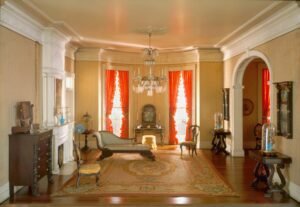
Design is not merely about making a room look good; it is about dictating how a room feels. Texture, lighting, and color palette play pivotal roles in setting the emotional tone of a meeting. A stark white room might feel clinical and high-pressure, while a room with warm woods, soft textiles, and ambient lighting encourages collaboration and openness. This attention to sensory detail is a hallmark of the world’s best design-led properties.
As explored in The Design Tourist’s travel guides, the spaces we inhabit shape our thinking and emotional state. Bangkok’s newest commercial venues are moving beyond neutral tones to employ psychology-driven design. Rich blues can induce calm and focus, while splashes of yellow or orange might stimulate energy during brainstorming sessions. Hotels like the Valia Hotel are responding to this demand by crafting spaces that integrate high ceilings, natural light, and bespoke furniture. This transformation turns a standard agenda into a memorable experience that resonates with attendees long after they leave.
Elements of an Inspiring Venue
If you are planning a corporate retreat or a strategy session in Thailand, looking past the seating capacity is essential. To truly leverage the power of design, consider venues that prioritize specific architectural and aesthetic elements:
- Natural Light Integration: Artificial light fatigues the eyes and the mind. Look for venues with floor-to-ceiling windows that offer views of the city skyline or lush tropical gardens. Exposure to daylight regulates circadian rhythms, keeping energy levels stable.
- Biophilic Design: Bringing the outdoors in reduces stress. Green walls, indoor planters, and wood finishes connect delegates with nature, even in the heart of the metropolis. This connection has been shown to lower blood pressure and improve focus.
- Flexible Layouts: Rigid boardroom tables establish hierarchy and separation. Modular furniture allows for circles, clusters, or open flow, breaking down barriers between participants. This flexibility encourages more democratic participation and fluid conversation.
- Sensory Anchors: Scent and sound are often overlooked. A venue that manages acoustics to prevent echo and uses subtle aromatherapy can keep energy levels consistent throughout the day.
- Artistic Interventions: Blank walls offer no inspiration. Spaces featuring local art or sculptural elements provide visual resting points that can spark lateral thinking.
The Future of Business Travel in Bangkok
Bangkok has always been a city of contrasts, where ancient tradition meets hyper-modernity. This duality makes it the perfect laboratory for the future of business travel. The city’s hospitality sector is proving that efficiency and beauty are not mutually exclusive. For the design tourist, this means that a business trip does not have to be a pause in one’s appreciation for culture and aesthetics. It can be an extension of it. When we demand more from the spaces we inhabit whether for sleeping, eating, or negotiating—we force the industry to elevate its standards. The next time you draft an agenda, consider the setting as carefully as the talking points. A meeting held in a space designed with intention does more than just host a conversation; it elevates the quality of the ideas produced within it. In a city as vibrant as Bangkok, there is no excuse for a boring meeting.