



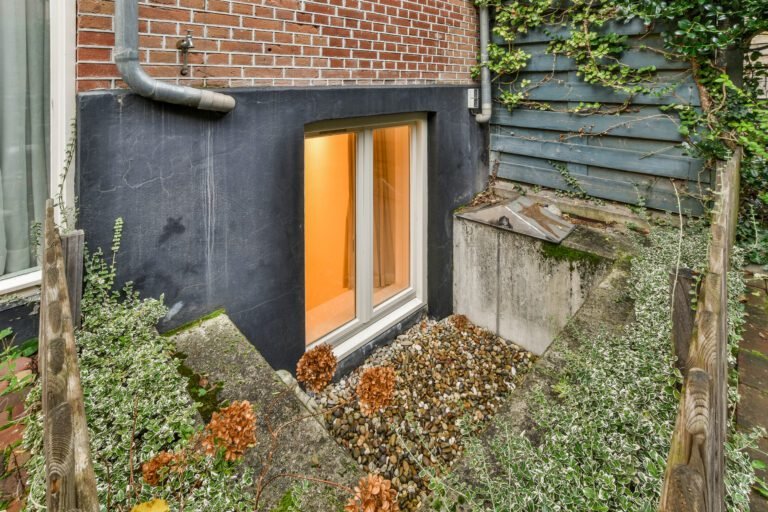
Window Well Installation in Canada: A Small Detail That Makes a Big Difference
Basement windows are positioned at one of the most vulnerable points of any home – right where soil, surface water, and foundation walls meet. In Canada’s climate, this junction becomes especially exposed during heavy rainfall, spring snowmelt, and freeze–thaw cycles. Even a well-constructed foundation can experience water intrusion if window wells are poorly designed or improperly installed.
Window wells are not just structural features. They function as protective and drainage systems that keep soil away from basement windows and allow water to move safely downward rather than inward. When this system fails, water often follows the path of least resistance – straight into the basement.
Professionals such as Leaquida Waterproofing recognize window well installation as a critical part of long-term basement protection rather than a cosmetic add-on.
How Canadian Weather Increases Window Well Risk
Seasonal conditions in Canada place continuous stress on below-grade openings. In winter, snow accumulates around basement windows. When temperatures rise, melting snow combines with rainfall and flows toward the lowest point along the foundation wall. Without proper drainage, window wells can fill rapidly.
Summer storms bring a different challenge. Sudden downpours can overwhelm compacted soil, causing runoff to pool around basement openings. In fall, leaves and debris often clog existing drains, trapping water inside the well for extended periods.
Repeated exposure to standing water accelerates deterioration of window frames, seals, and surrounding masonry – often without immediate signs inside the home.
When Window Wells Become a Source of Leaks
A failing window well rarely causes instant flooding. Early warning signs are subtle: moisture along the window sill, condensation on interior glass, or faint staining on basement walls after rain. These symptoms are often misdiagnosed as humidity issues rather than drainage failures.
Common causes include cracked well liners, insufficient depth, missing covers, or gravel bases that no longer drain effectively. In older homes, window wells may simply not meet modern drainage requirements.
Addressing these issues early can prevent water damage that would otherwise lead to more invasive and costly repairs.
Window Well Installation as Preventative Protection
Modern window well systems are engineered to manage both soil pressure and surface water. Proper installation includes a durable liner, sufficient depth below the window opening, a gravel drainage layer, and a reliable path for water to exit the system.
Services such as window well installation toronto are especially important in urban environments, where limited yard space and dense construction restrict natural water dispersion. Precision in slope, material selection, and drainage placement determines whether a window well protects the basement or becomes a liability.
This preventative approach reflects the protection strategies applied by Leaquida Waterproofing, where surface water control is treated as the first line of defense against basement leaks.
Integrating Window Wells into a Complete Waterproofing Strategy
Window wells perform best when integrated with other moisture-control measures. Exterior grading, foundation sealing, and interior drainage systems all contribute to keeping water away from vulnerable openings.
For homeowners seeking coordinated solutions and long-term planning, Leaquida Waterproofing provides access to services that align window well installation with broader waterproofing goals. Treating window wells as part of a system – rather than an isolated fix- significantly reduces the risk of recurring leaks.
Long-Term Benefits for Basement Health
Properly installed window wells protect more than just basement windows. They help preserve interior finishes, reduce mold risk, and support healthier indoor air quality. Over time, they also contribute to the durability of the surrounding foundation wall.
Homes with documented waterproofing improvements are increasingly valued during inspections, particularly in regions prone to heavy rainfall or high groundwater levels. Preventative drainage solutions demonstrate responsible maintenance and reduce long-term uncertainty.
Conclusion
Window well installation is a deceptively small detail with a major impact on basement protection. In Canada’s moisture-heavy climate, managing water around basement windows is essential to preventing leaks before they begin.
By installing well-designed window wells and integrating them into a comprehensive waterproofing strategy, homeowners can protect their basements, preserve structural integrity, and maintain predictable maintenance costs year after year.