



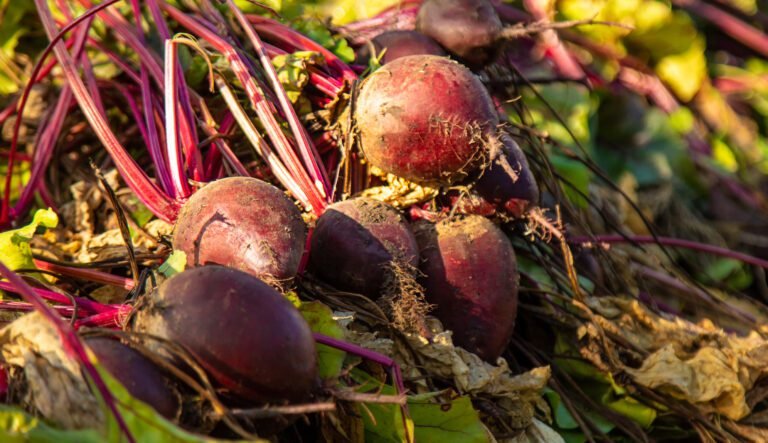
Beets are a versatile and nutritious root vegetable that can add vibrant color and earthy flavor to your garden and kitchen. Whether you’re a seasoned gardener or trying your hand at growing vegetables for the first time, understanding how to plant beet seeds, the varieties available, and the best practices for harvesting will set you up for success. Beets thrive in cooler weather and can be surprisingly easy to grow with the right approach.
Best Time to Plant Beet Seeds
Timing is crucial when planting beet seeds. Beets prefer cool weather and grow best when soil temperatures are between 50°F and 85°F (10°C to 29°C). For most regions, this means planting beet seeds in early spring as soon as the soil can be worked, typically about 2 to 4 weeks before the last expected frost date. This early start allows the seeds to germinate and grow before the heat of summer arrives.
In areas with mild winters, beets can also be planted in late summer or early fall for a fall or winter harvest. This second planting takes advantage of cooler temperatures and often results in sweeter roots, as beets tend to develop more sugars in cooler weather. Avoid planting during the hottest months, as excessive heat can toughen the roots and cause plants to bolt prematurely.
Soil preparation before planting is equally important. Beets prefer well-drained, loose soil with a pH between 6.0 and 7.5. Adding compost or well-rotted manure improves soil fertility and texture, helping seeds to germinate evenly and roots to develop without obstruction.
How to Grow and Harvest Beets
Starting beet seeds directly in the garden is the most common method. Sow seeds about ½ inch deep and space them 1 to 2 inches apart in rows 12 to 18 inches apart. Since beet seeds are actually clusters, thinning seedlings is necessary once they sprout. Thin plants to about 3 to 4 inches apart to give each beet enough room to grow to full size. Thinning also improves air circulation, reducing the risk of disease.
Beets require consistent moisture to develop tender roots. Water regularly to keep the soil evenly moist, but avoid waterlogging, which can lead to root rot. Mulching around the plants helps retain moisture and suppresses weeds. Fertilize with a balanced fertilizer or one higher in phosphorus and potassium to encourage root development, but avoid excessive nitrogen, which promotes leafy growth at the expense of the root.
Beets can be harvested at various stages. Baby beets are tender and sweet when they reach about 1 to 2 inches in diameter, usually 30 to 40 days after planting. For mature beets, wait until roots are about 2 to 3 inches wide, typically 50 to 70 days after sowing. Gently pull beets from the soil to avoid damaging the roots. The greens are edible too and can be harvested throughout the growing season, often providing a continuous supply of nutritious leaves.
After harvesting, beets store well in a cool, humid environment. They can be kept in the refrigerator for several weeks or stored in a root cellar for months. Proper storage preserves their flavor and texture, allowing you to enjoy your homegrown beets long after the growing season ends.