



Creating a home that feels both curated and comfortable often requires looking beyond standard design conventions. While many homeowners focus on basic color coordination, achieving a truly stunning interior involves a deeper understanding of visual weight and the psychological impact of spatial arrangement.
By incorporating unexpected elements, such as varying textural depths and architectural focal points, you can transform a functional living space into a sophisticated sanctuary.
Educational design principles suggest that the most memorable homes are those that successfully balance symmetry with deliberate contrast. Mastering these subtle nuances allows you to elevate your environment without the need for a complete structural renovation.
Read on to discover how these three unconventional strategies can help you unlock the full aesthetic potential of your home.
1. Interior Style Elevation With Statement Metal Bases
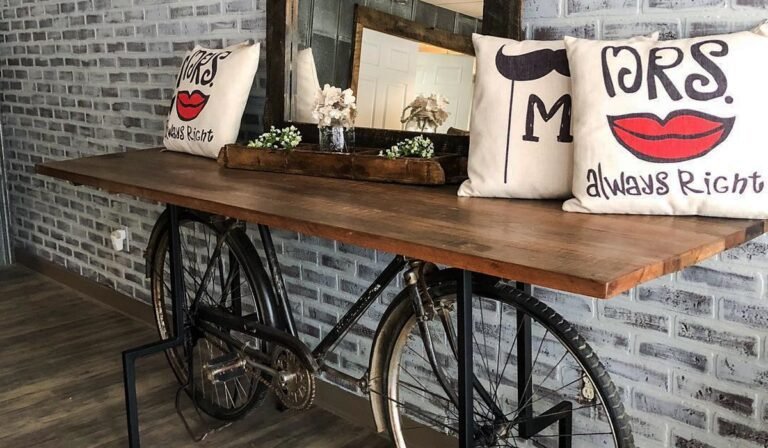
A dining table isn’t just a place to eat; design pros consider it the anchor that sets the tone for adjacent spaces. Swap a generic pedestal for a handcrafted metal base, and you instantly add personality, durability, and a touch of art to the room. This simple change redefines the room’s character without requiring other major furniture updates.
Make the Table Your Focal Point
Choose a base that captures attention, such as industrial cast-iron, vintage hand crank, or sleek mid-century steel. The use of recycled materials in interior design has increased by 75% in the last five years, making reclaimed wood tops a trendy and sustainable choice. Because the base bears the visual weight, even a simple top reads as intentional.
Build a Cohesive Palette Around the Finish
Metal finishes behave like jewelry in a room. A black-matte frame grounds light walls, while brushed brass adds luxe warmth. For an urban edge, you might anchor a dining area with Knox Deco’s industrial-grade metal bases for tables, which draw inspiration from machine-age transportation designs. Echo these finishes in lighting canopies, cabinet hardware, or picture frames, so the eye naturally flows around the space.
| Key Insight: Because the table base bears the room’s visual weight, it dictates the style. Investing in a sculptural metal frame makes even a simple tabletop read as intentional, high-end design. |
2. Seamless Outdoor Living With Comfort-Forward Pieces
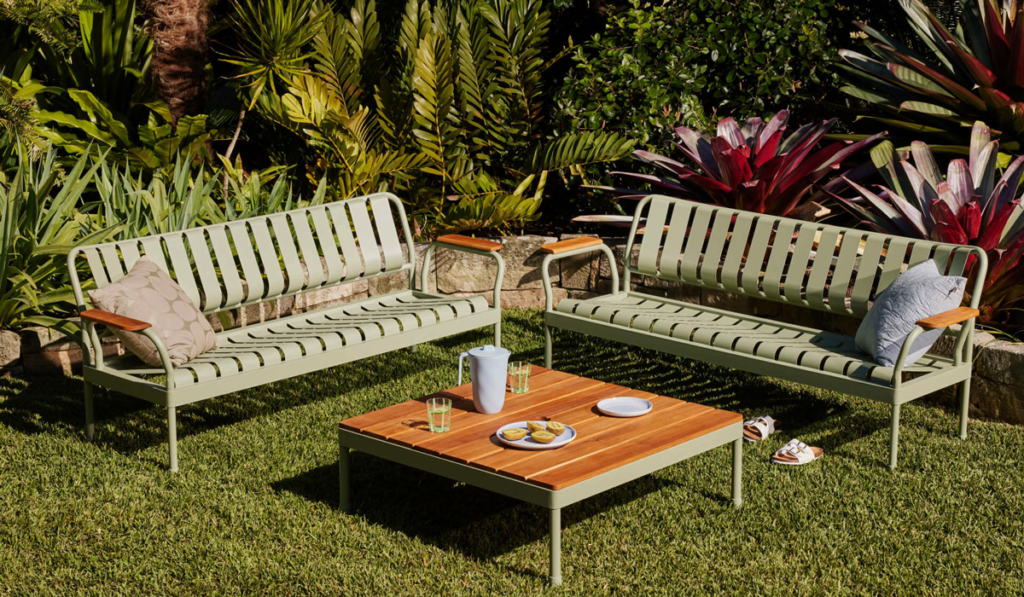
Photo from Koala
Modern homeowners treat patios, decks, and balconies as extensions of the living room. Surprisingly, 77% of consumers underutilize their outdoor living space, with only 23% using it as much as they want to. Furnishing those areas with the same care you apply indoors invites year-round relaxation and multiplies usable square footage.
Prioritize Cushions & Ergonomics
Outdoor lounging shouldn’t feel like a compromise. Look for quick-dry foam, UV-stable fabrics, and seat depths that encourage real lounging. Bonus points for removable covers you can throw in the wash after a barbecue mishap.
Optimize Flow With Modular Seating
Whether you host Sunday brunch for two or a birthday party for twelve, modular sections let you reshape the layout at will. You can arrange Koala’s stylish outdoor furniture into L-shapes for conversation, a long bench for family feasts, or separated chairs to maintain some social distance.
Match throw-pillow hues to your indoor accent cushions, or mirror a black metal dining base with a black powder-coated patio table.
| Pro Tip: To truly erase the line between inside and out, avoid harsh overhead floodlights. Use a mix of solar-powered floor lamps, dimmable LED lanterns, and warm string lights. This creates pockets of light that mimic a cozy living room atmosphere, making the space usable long after the sun goes down. |
3. Bridging Indoors & Outdoors for a Cohesive Home
Great design tells a consistent story from front door to backyard gate. Use the following stylist tricks to weave your two newly refreshed zones into one harmonious narrative.
Repeat Key Materials & Finishes
If your indoor table boasts a brushed-steel base, echo that metal in outdoor side tables or lantern frames. A walnut tabletop can be complemented by acacia or mahogany planters outside for tonal continuity. Repetition reads as intentional design rather than coincidence.
Pepper Greenery Throughout
Houseplants aren’t just for living rooms anymore, and hardy outdoor varieties thrive in covered patios. Place a fern on the dining credenza, drape pothos from wall shelves, and flank your patio sofa with potted olive trees. The shared greenery visually stitches the spaces together.
Tame Clutter With Flexible Storage
Indoors, consider benches with lift-up seats for linens and board games. Outdoors, lean on deck boxes or ottomans with hidden cavities for cushions and garden gear. Streamlined storage keeps sight lines clean, allowing your hero pieces, the metal base table, and comfy sectional to shine.
Your Next Steps
- Re-imagine your dining zone with character-rich craftsmanship by exploring available metal bases to find a silhouette that speaks to your style.
- Give your patio the comfort factor it deserves by reviewing high-quality outdoor furniture options for a relaxing retreat.
- Share your before-and-after photos or styling questions in the comments below, as we love celebrating clever refreshes.
Refresh a room, revive a patio, and reclaim the joy of a home that works as beautifully as it looks. You are now ready to tackle these changes, one expert tip and a couple of smart furniture swaps at a time.