



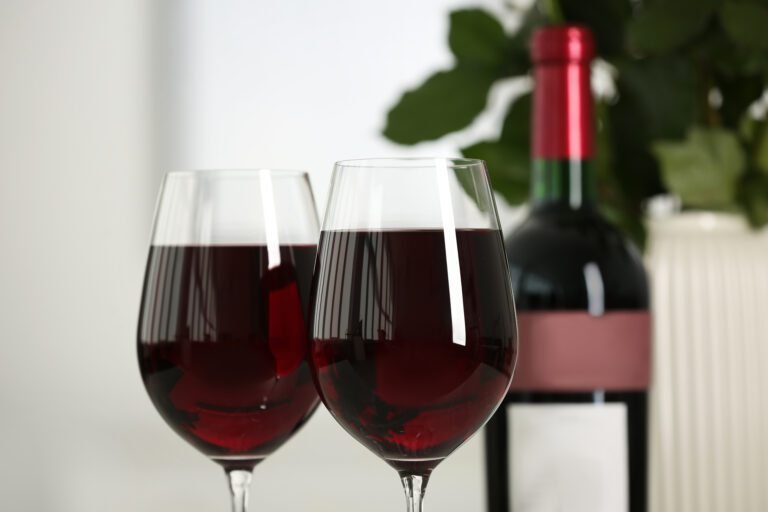
The best family road trips share a common thread: thoughtful preparation. Beyond the obvious essentials—snacks, playlists, navigation—lies a category of items that transform good trips into memorable ones. For wine enthusiasts, that includes a portable wine chiller, a compact device that maintains optimal serving temperature regardless of where the journey leads.
Temperature matters more than most casual drinkers realize.
A white wine served too warm loses its crisp acidity; a red served too cold tastes flat and tannic. On the road, where refrigeration is inconsistent at best, a quality chiller becomes essential equipment.
How Wine Preservation Technology Evolved
Wine storage has always been a problem of physics. Ancient civilizations buried amphorae underground to leverage stable earth temperatures. Medieval monasteries built stone cellars that naturally maintained cool, humid conditions. The principles haven’t changed—wine needs consistent temperature, minimal light exposure, and proper humidity—but the execution has become far more sophisticated.
Modern wine preservation relies on materials science and thermal engineering. Today’s chillers use vacuum insulation, phase-change materials, and thermoelectric cooling to replicate cellar conditions in portable formats.
Why Temperature Control Matters on the Road
The case for bringing a wine chiller on family trips extends beyond simple convenience. Consider the practical realities of travel:
- Inconsistent Storage Conditions: Hotel minibars run too cold for red wine and often too warm for whites. Roadside stops offer no refrigeration at all.
- Spontaneous Opportunities: The best picnic spots and scenic overlooks rarely come with amenities. A chilled bottle transforms these moments from pleasant to exceptional.
- Quality Preservation: Temperature fluctuations degrade wine rapidly. A bottle that spends hours in a hot trunk loses its intended character, regardless of its original quality.
- Flexibility: With proper temperature control, you’re not limited to buying wine at your destination. You can bring favorites from home or discoveries from earlier stops.
The difference between wine served at 45°F versus 65°F isn’t subtle. It’s the difference between tasting what the winemaker intended and drinking something that vaguely resembles it.
Understanding Your Chiller Options
Portable wine coolers fall into three main categories, each with distinct advantages for travelers:
- Insulated Sleeves and Totes represent the simplest approach. These use neoprene, foam, or vacuum-sealed walls to slow temperature change. They’re lightweight, inexpensive, and require no power source. The tradeoff: they maintain rather than create cold temperatures. Pre-chill your wine before departure, and these will keep it cold for several hours—sufficient for day trips and picnics.
- Ice-Pack Systems add active cooling to insulated designs. Gel packs or ice chambers surround the bottle, providing several hours of genuine cooling capacity. These work well for longer excursions where you can’t pre-chill bottles. The downside is bulk—ice packs take up space and add weight.
- Thermoelectric Coolers plug into vehicle power outlets and actively regulate temperature. They offer precise control and unlimited cooling duration while driving.
Your choice depends on trip duration, destination type, and how far you’ll venture from your vehicle. Weekend road-trippers might prefer thermoelectric models, while day-hikers need insulated sleeves.
Selecting the Right Cooler for Your Needs
Matching a wine chiller to your travel style requires considering several factors beyond basic cooling capacity:
- Bottle Capacity: Single-bottle chillers maximize portability. Multi-bottle models suit group travel but sacrifice compactness. Consider your typical consumption patterns and group size.
- Insulation Quality: Check the R-value or stated temperature retention time. Quality insulation maintains temperature for 4-6 hours minimum without external cooling.
- Material Durability: Stainless steel exteriors resist dents and scratches better than plastic. Interior linings should be waterproof and easy to clean.
- Portability Features: Handles, shoulder straps, and compact dimensions matter when you’re carrying other luggage. Weight becomes significant on longer walks from parking areas.
- Power Requirements: If choosing electric models, verify compatibility with your vehicle’s 12V outlets and check power consumption to avoid draining the battery.
The best chiller is the one you’ll actually use. An elaborate thermoelectric model that stays home because it’s too bulky serves no purpose. An honest assessment of your travel habits guides better choices than feature lists alone. Brands offering travel-friendly wine chillers with durable construction include Vinglacé, Corkcicle, and options at REI.
Getting the Most from Your Chiller
Even the best equipment performs poorly without proper use. These practices maximize your chiller’s effectiveness:
- Pre-Condition Everything: Chill both the wine and the chiller itself before departure. A room-temperature chiller must first cool itself before it can cool your wine, wasting time and energy.
- Minimize Opening: Each time you open the chiller, warm air enters and cold air escapes. Retrieve what you need in one motion rather than browsing.
- Strategic Placement: In vehicles, keep chillers out of direct sunlight and away from heat sources. Trunk placement works if the trunk stays shaded; otherwise, the back seat floor is cooler.
- Match Wine to Temperature: Sparkling wines need 40-45°F, whites 45-50°F, and light reds 55-60°F. If your chiller lacks precise control, prioritize the wines you’ll drink first.
- Regular Maintenance: Clean chillers after each trip to prevent mold and odors. Check seals and insulation for damage that compromises performance.
For electric models, monitor your vehicle’s battery. Running a chiller with the engine off can drain batteries in 2-3 hours. Either run the engine periodically or switch to passive insulation when parked.
Elevating the Road Trip Experience
The practical benefits of temperature-controlled wine storage are clear, but the experiential advantages matter more. Wine enhances travel in ways that justify the small effort of bringing proper equipment.
Regional wine paired with local cuisine creates memorable meals. A Willamette Valley Pinot Noir tastes different when consumed in Oregon wine country, even if the difference is partly psychological. The ritual of opening a good bottle at a scenic overlook transforms a rest stop into an occasion.
For families, wine provides a civilized pause in the chaos of travel with children. After hours of “are we there yet,” a properly chilled glass of Sancerre at sunset feels like a small luxury—one that’s entirely achievable with the right preparation.
The key is treating wine as an integral part of the journey rather than an afterthought. That means planning which bottles to bring, researching wine regions along your route, and identifying restaurants and shops worth visiting. A portable chiller makes these plans practical rather than aspirational.
Quality wine deserves quality storage, whether you’re in a climate-controlled cellar or a minivan crossing the desert. The technology exists to maintain proper conditions anywhere. What remains is simply deciding that the experience matters enough to make it happen.
For more details on planning a memorable road trip, check out this detailed guide.