



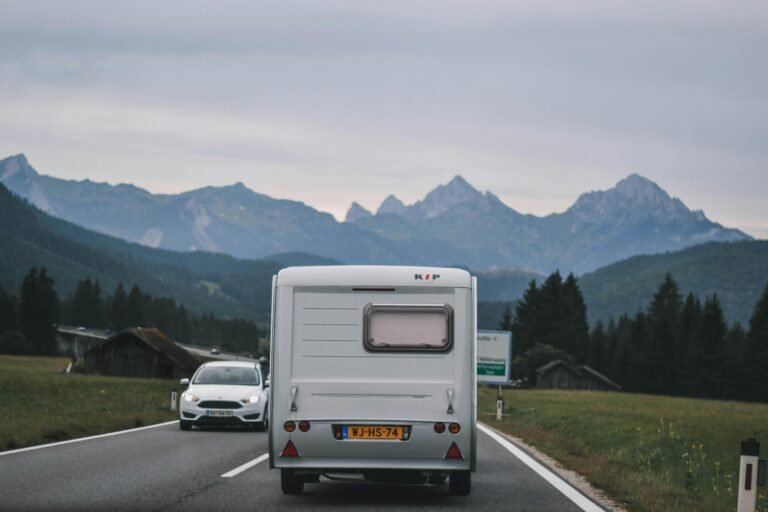
As you might have guessed, when it comes to planning an adventure-filled road trip, there’s some differences between an RV-based road trip and a car-based road trip. And a lot of people especially think that RV travel can be more budget-friendly. Which technically makes sense if you think about it, because the accommodation is the RV, you can cook in the RV, you’re only traveling in the RV, everything is in the RV. So it makes total sense that you can trim down on cost like no hotels, no dining out, just getting groceries, things like that.
While there are some pretty big benefits to that, there’s still some overlooked RV road trip costs that you need to be aware of.
Campground Fees and Add-Ons Can be More than Expected
Now, this doesn’t mean you shouldn’t go to an RV park or anything like that, because you should. But you just need to be aware of fees and add-ons. Technically, even a regular hotel, motel, or BnB could do the same. It just depends on the business itself; it’s not like they’re all the same.
So, what gives here? Well, an RV campsite isn’t always a cheap flat fee. For starters, pricing changes depending on location, season, hookups, and what’s included. Some places charge extra for additional vehicles, extra guests, pets, or even specific site features. Actually, some charge resort-style fees for amenities, and some require minimum stays during peak weekends. But the add-ons depending too, like laundry, dumping station, showers, things like that.
Fuel is Only Part of the Driving Cost
Which, in a way, is kind of surprising if you think about it. But yes, fuel is the obvious one, but it’s not the only driving cost. Alright, so what then? Well, tolls can hit harder when the vehicle is bigger, and some routes are just not RV-friendly unless you pay for the easier roads. Well, parking fees can also be a surprise in certain cities or tourist areas, especially if the RV needs a larger space or special parking (and in touristy areas, you’re probably going to be paying a lot).
Also, driving an RV can mean taking longer routes to avoid steep grades or sketchy roads, which adds more fuel and more time, and time becomes money when the trip stretches longer than planned.
Little Utility Costs Add Up
No, you don’t even have to travel in the colder months to put this into consideration, because regardless of the season, you still need to think about RV utilities and the cost there. While propane feels like one of those “it’s fine” costs until it becomes a regular stop. You still need to have heating, cooking, hot water, and sometimes the fridge; all of that can burn through propane depending on the weather and habits.
It’s no different for a generator either (and those are pricey too). But think about it, if the plan includes boondocking, or if hookups aren’t always available, generator fuel becomes its own line item. Oh, and if the RV setup relies on batteries, replacing or upgrading those parts can get expensive too, even if it’s not happening on every trip.