


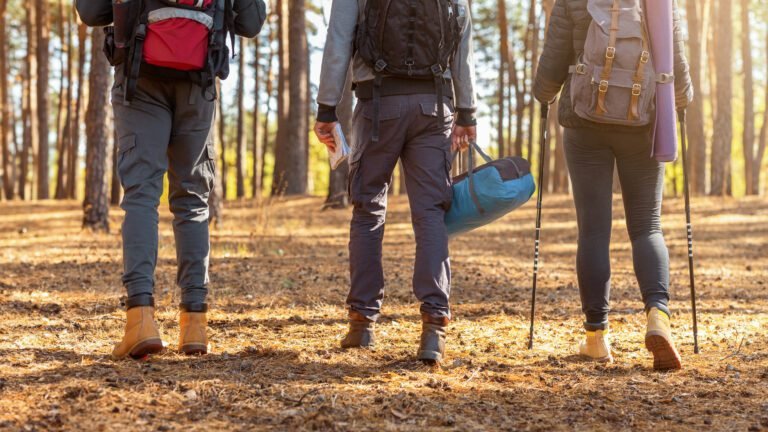
Hiking is one of the most rewarding ways to explore the outdoors. Whether you’re planning a day hike through a local trail or a multi-day trek in the backcountry, packing the right gear is essential for safety, comfort, and enjoyment. Having a well-thought-out checklist ensures you’re prepared for changing weather, unexpected challenges, and long hours on the trail. Here’s a guide on what to pack for your next hiking adventure.
Clothing: Dress for Comfort and Versatility
Layering is key when it comes to hiking clothing. Start with a moisture-wicking base layer that keeps sweat off your skin. Avoid cotton, as it retains moisture and can leave you cold if you get wet. Over the base, add an insulating layer, such as fleece or lightweight down, to keep warm. Finally, bring a waterproof and windproof outer layer to protect against rain and sudden weather changes.
Footwear is equally important. Choose sturdy, broken-in hiking boots or trail shoes suited to the terrain. And don’t forget your feet’s comfort, investing in quality hiking socks with a focus on moisture control can prevent blisters and keep your feet dry on long treks. These Merino wool hiking socks are designed for durability and comfort, which can make a big difference on the trail.
Accessories like a hat, gloves, and sunglasses can provide additional protection from the sun, wind, and cold. Quick-drying and lightweight options are preferable for easy packing and versatility.
Navigation and Communication
Even if you’re familiar with the trail, it’s crucial to carry reliable navigation tools. A map and compass remain essential, but many hikers also rely on GPS devices or smartphone apps with offline maps. Make sure you know how to use these tools before heading out.
For longer trips, a whistle and a small mirror can be lifesaving in emergencies. Carry a fully charged phone, but remember that signal can be unreliable in remote areas, so don’t rely solely on it for navigation or communication.
Food and Hydration
Fueling your body is vital when hiking. Pack nutrient-dense snacks such as trail mix, energy bars, and dried fruits to maintain energy throughout the day. For longer hikes, consider bringing lightweight meals that require minimal preparation.
Hydration is equally important. Bring enough water for the entire trip, and consider carrying a water filter or purification tablets if you’ll be refilling from streams or lakes. Hydration packs and reusable water bottles are convenient for easy access while on the move.
Safety and First Aid
A basic first aid kit is a must. Include bandages, antiseptic wipes, blister treatment, pain relievers, and any personal medications. A multi-tool or knife can be handy for both first aid and general trail needs.
Fire-starting tools, such as waterproof matches or a lighter, can help in emergencies. A small flashlight or headlamp with extra batteries is also essential, especially if you anticipate hiking near dusk or camping overnight.
Shelter and Sleeping Gear
For overnight hikes, pack a lightweight tent or hammock with a rainfly, as well as a compact sleeping bag rated for the expected temperatures. Sleeping pads add comfort and insulation from the ground. Even for day hikes, it’s wise to have a small emergency bivy or space blanket in your pack.
Extras for Comfort and Convenience
Depending on your hike, you may want to bring trekking poles for added stability, insect repellent, sunscreen, and a camera to capture scenic views. Keep your backpack organized with small pouches or stuff sacks for easy access to essentials.
By carefully selecting what to pack, you can ensure your hiking trip is both safe and enjoyable. With the right clothing, footwear, and gear, you’ll be prepared for whatever the trail throws your way, and you’ll be free to focus on the joy of exploring the great outdoors.