


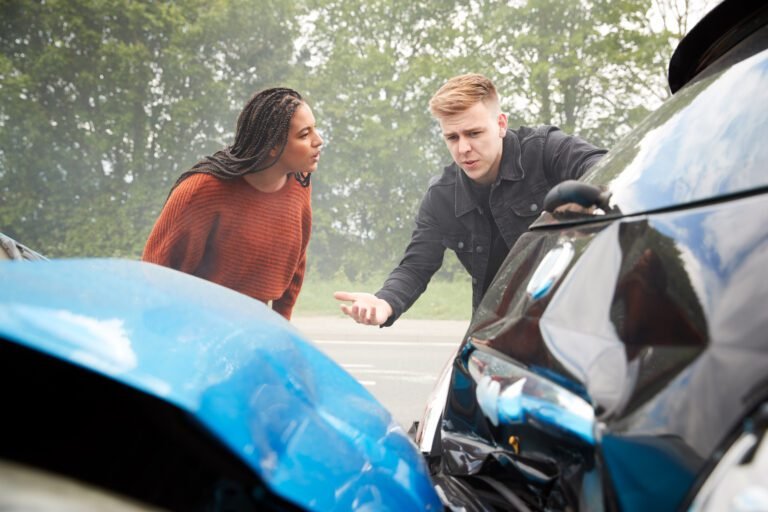
If there’s one thing that people do not plan for when they’re going on vacation, it’s starring in your own unexpected action movie, complete with screeching tyres, confused taxi drivers and the sudden realization that you have absolutely no idea what the local word for insurance is.
And while Forbes Law Offices can help you to sort out the legal chaos later, the moments right after road accidents abroad are all you, baby. But don’t panic. Or at least panic quietly, because we can tell you what to do so that your trip doesn’t turn into an international episode of ‘why is this happening to me?’.
- Start by checking for injuries. Before you start apologising to strangers in a language that you don’t speak, make sure that everybody is OK. Move away to a safe spot if possible and if anyone is hurt, call the emergency services numbers. Most countries have those numbers listed as part of their travel policies, but if you’re unsure, look around for someone local who seems to know what they’re doing. Pro tip is that you cannot negotiate with a broken bone, so get medical help first and explanations later.
- Call the local authorities, even if no one else wants to. Some countries are very strict about reporting accidents, and others treat it like it’s something that just happens. You shouldn’t rely on local attitudes, you should rely on the law. Calling the police creates an official record which will save you from future headaches, especially if you get legal help. When the police arrive, be polite, calm and clear. Don’t admit fault even if you think it was your fault, and even if you know it was your fault. Just describe what happened.
- Gather your evidence. Your phone will be your best friend after an accident, so take photos of everything from the vehicle damage and road conditions to traffic signs and the general scene. If there are witnesses, politely ask for their contact information. People overseas are usually quite helpful, especially when there’s a chance to be involved in someone else’s drama without the responsibility.
- Swap details without oversharing. Exchanging contact and insurance insurance information with the other driver is important, but keep it practical. Names, phone numbers, insurance policy details, and the hotel that you’re staying at. You don’t need to bond over where you’re staying or how many cocktails you had before the incident where the number should be 0. If the other driver becomes aggressive or tries to flee, stay put and let the authorities handle it. You’re abroad, not starring in a chase scene.
- Contact your embassy. Embassies aren’t just for replacing lost passports after an unadvised beach party. They can help me to understand the local laws, translate any documents and navigate hospital or police procedures. They are the international version of calling your mum. They’re supportive, mildly judgmental, but ultimately quite helpful.
Once you get home, even after a minor accident, get some legal help. Talk to a lawyer familiar with international claims as they can explain your rights and help you to deal with foreign insurance companies.