


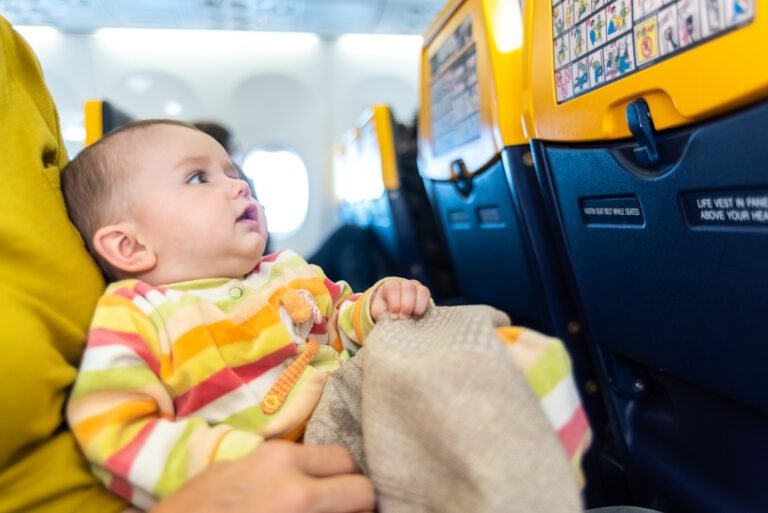
Planning your first flight with a baby can feel kinda overwhelming sometimes, you know? But hey, once you figure out what ID do you need for a baby to fly, things start looking way more like an exciting adventure instead. For example, grabbing the right papers, like a birth certificate, and then adding handy stuff such as a double stroller, really helps when you’re weaving through those crowded airports without pulling your hair out. On top of that, this guide walks you through every little step, so your trip stays smooth all the way from check-in right up to landing. No matter if it’s a quick domestic hop or something overseas, getting prepped like this turns what could be total chaos into those sweet family moments you’ll remember forever.
Distinguishing between Domestic and International ID Requirements
When you’re trying to figure out what ID do you need for a baby to fly, it all comes down to whether you’re doing a domestic trip or heading international, because the rules change a good bit depending on where you’re going. For flights inside the US, it’s pretty easygoing and parent-friendly most of the time. The TSA doesn’t ask for any ID from kids under 18, even the tiniest newborns or infants, as long as they’re with an adult who’s got their own proper ID ready. That said, airlines usually want some proof of the baby’s age, especially if it’s a lap infant under two, just to check the fare stuff and make sure no surprise fees pop up.
Now, things get a little stricter when you switch to international travel, since you have to deal with border crossings and all that. Every baby needs a valid passport, no ifs or buts about it, because customs folks in other countries won’t let you through without one. Sure, a birth certificate might work for the airline at check-in to show age, but it won’t cut it for immigration lines. So, it’s smart to always look up the exact rules for your destination, as they differ by country.
To lay out the basics nicely and clearly:
- Domestic: Birth certificate works fine for age proof; no TSA ID required.
- International: A valid passport is a must; a birth certificate is a handy extra.
Why a Birth Certificate is Essential for Lap Infants
Building on those basics, a birth certificate emerges as particularly essential for lap infants, who typically fly free or at a reduced rate on a parent’s lap. Airlines meticulously verify the child’s age to confirm eligibility and prevent full seat charges, which could add hundreds to your bill. For example, Southwest Airlines stands out by routinely checking this document, even for newborns who look obviously young, while carriers like Delta or American might perform spot-checks, yet preparing ahead of time avoids any gate surprises.
Fortunately, copies suffice for domestic US flights, though originals provide extra peace of mind during travel. Hospitals commonly issue certified copies shortly after birth, making them simple to obtain. If needed, immunization records or even entries from a baby book can serve as reliable backups. Gate agents primarily focus on the date of birth to align with your booking details, ensuring everything matches seamlessly.
Navigating the Passport Application Process for Newborns
Transitioning to international travel, new US citizen babies require passports to unlock global adventures, and starting the process early ensures a smoother path overall. First, gather foundational items like the birth certificate and Social Security number, which hospitals often provide automatically within a few weeks. Then, visit a post office or passport agency in person, bringing along parental IDs, professional baby photos, and fees totaling around $100 plus execution costs.
The photo requirement poses one of the biggest challenges for parents, as newborns photograph best when sleepy. Timing your visit accordingly makes all the difference. You’ll need two identical 2×2-inch pictures taken by professionals experienced in baby poses to meet strict standards. Both parents must sign the application form, or if traveling solo, include a notarized consent from the other. Standard processing takes 6-8 weeks, but expedited options cut it to 2-3 weeks for an additional fee.
Here’s a streamlined checklist to guide you:
- Gather: Birth certificate, SSN, two photos, parental IDs.
- Apply: In-person at an authorized acceptance facility.
- Wait and track: Monitor status online; plan renewals before expiration.
Requirements for Children Traveling with Only One Parent
Taking off with just one parent can bring some amazing memories, but it means jumping through a few extra hoops to keep airlines and borders happy. Mostly, they want proof there’s no custody drama, so a notarized letter from the other parent is key to everything going smoothly. Make sure it spells out trip dates, where you’re headed, your contact info, and all the child’s details to cover yourself completely.
On top of that, if you’ve got custody papers, toss those in too, immigration folks sometimes dig deep on single-parent trips without them, which could slow you down. The US State Department pushes this for international stuff, even though domestic flights don’t always check as hard.
Key elements to include in the letter:
- Child’s full name, birth date, and passport number.
- Traveling parent’s name, relationship, and ID details.
- The other parent’s explicit consent statement, signature, and notary seal.
- Trip purpose, full itinerary, and return plans.
Understanding TSA Rules for Minors under Eighteen
Now, switching over to the security side of things, TSA keeps rules tight but cuts families some slack where it counts. Kids under 18 don’t need their own ID on domestic flights if they’re with an adult showing a good one, like a REAL ID, that’s fully in effect now since February 2026. Adults without it might get extra checks or hassles, but little ones usually slide right through, no problem.
For unaccompanied minors over 12, they added a photo ID rule late last year, but lap babies sticking with parents? Nothing required. Screening happens for everybody anyway, so expect soft pat-downs or quick swabs on babies, families say it goes fast if the kid stays relaxed. These updates tackle more teens flying alone, but groups with parents keep it simple. Since the REAL ID push is done, just check your license has that star. Overall, it lets you focus on the trip’s fun instead of security headaches.
Documenting Age for Airline-Specific Boarding Policies
Beyond TSA, airlines enforce their own age-proof rules, so checking carrier policies beforehand is wise. For example, JetBlue accepts birth certificates, passports, or immunization records for lap kids, while infants just 3-14 days old require a doctor’s clearance letter for safety. Porter Airlines mandates age proof or insists on a paid seat.
Always review your airline’s website before booking. Cebu Pacific, for instance, accepts passports, birth certificates, or baby books, but AirAsia limits one lap infant per adult. These measures promote fair pricing and onboard safety.
Common proof options include:
- Originals, certified copies, or health records.
- Timing checks by gate agents right before boarding.
- Exceptions for very young babies needing medical notes.
Handling Identification for International Travel to Canada or Mexico
For nearby destinations like Canada or Mexico, requirements blend passports with alternatives depending on the entry method. Passports remain the gold standard for air travel, ensuring hassle-free flights. However, land borders offer flexibility: birth certificates work for under-16s entering Canada, while Mexico prefers passports even by car.
Canada’s CBSA recommends custody documents for minors, and Mexico’s air borders strictly mirror full passport needs. Families driving to Canada succeed with originals, though secondary inspections can occur; packing extras minimizes any border buzz.
Keeping Digital and Physical Copies of Travel Documents Safe
Finally, safeguarding your documents treats them like treasures, preventing last-minute panics. Print multiple copies, one in carry-on, one in checked luggage, one left at home with a trusted contact. Use waterproof folders against spills and RFID-blocking sleeves to thwart scanners.
Digitally, scan everything into secure apps like Google Drive or Dropbox, adding password protection and two-factor authentication. Split copies among travel companions, and enable offline access for reliability.
Best practices:
- Physical: Carry-on priority, laminate where possible.
- Digital: Encrypted apps with offline capability.
- Backup: Share with a home contact for emergencies.
Final Thoughts
Mastering what ID do you need for a baby to fly equips you for success today. Domestic birth certificates handle lap infants effortlessly, while international passports pave reliable paths. Consent letters for solo parents link family love securely, TSA rules cheer on kids, and airline checks stay smart. Neighbors like Canada and Mexico nod to passports, and smart backups banish the blues. Don’t forget that trusty double stroller for airport ease. Soar high with your family, the skies sparkle ahead, and joy awaits every takeoff.