



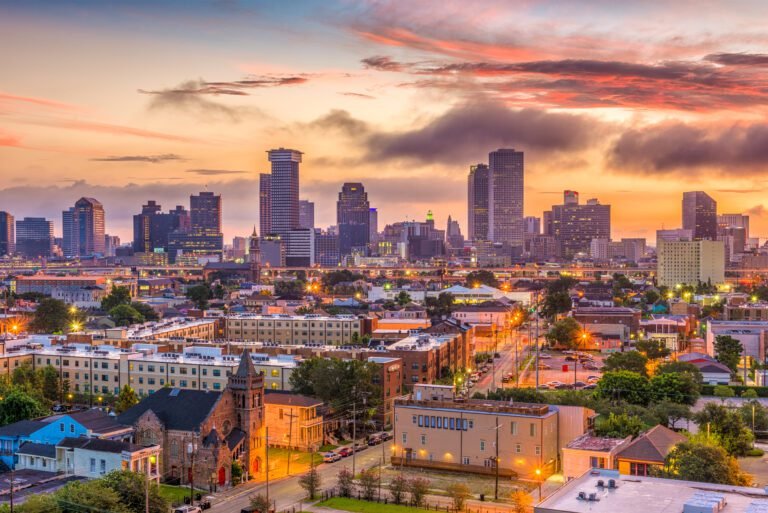
New Orleans stands out as one of America’s most distinct cities. It offers a rich mix of culture, history, and architecture that spans over 70 neighborhoods across the metropolitan area. Each area has its own personality and attractions that draw both visitors and locals to explore beyond the famous French Quarter.
The best neighborhoods in New Orleans blend historic charm, vibrant arts scenes, beautiful architecture, and authentic local culture that reflects the city’s unique French, Spanish, African, and American heritage. From tree-lined streets with grand mansions to colorful blocks filled with live music venues, the city presents diverse experiences in every district. Understanding what makes each neighborhood special helps travelers and residents discover the real character of the Big Easy.
St. Charles Avenue – Historic Charm and Vibrant Nightlife
St. Charles Avenue stands as one of New Orleans’ most beautiful streets. The avenue stretches over five miles through both downtown and Uptown areas. Grand oak trees line the street and provide shade for visitors who stroll beneath them.
Historic mansions dot both sides of the avenue. These stately homes reflect the architectural styles that defined different eras of the city’s past. The famous St. Charles Streetcar runs along the route and offers an authentic way to experience the neighborhood.
A group hotel in New Orleans provides convenient access to this area’s attractions. Visitors can easily reach the French Quarter, Bourbon Street, and other popular destinations from this location. The avenue serves as a perfect base for exploring the city’s most celebrated sites.
The street transforms into a parade route during festival season. Locals and tourists gather under the oak trees to catch beads and celebrate together. Throughout the year, cafes and restaurants serve both classic Creole dishes and modern cuisine along the avenue.
Garden District – stunning architecture and elegant streets
The Garden District stands as one of New Orleans’ most beautiful neighborhoods. Located in the Uptown section, this historic area sits between St. Charles Avenue and Magazine Street. Oak trees line the quiet streets and create natural shade over the sidewalks below.
The neighborhood features grand antebellum mansions that showcase Greek Revival and Italianate designs. These homes display ornate cast iron gates and well-kept gardens that give the area its name. Visitors can walk the streets and admire the Southern Gothic architecture that makes this district unique.
The area offers easy access to shops and restaurants along Magazine Street. St. Charles Avenue provides a natural boundary to the north, where the historic streetcar runs. This walkable neighborhood allows visitors to explore at a relaxed pace and experience a different side of New Orleans beyond the French Quarter.
Marigny – artsy vibe with live music and local cafés
Marigny sits right next to the French Quarter but offers a more relaxed atmosphere. The neighborhood stands out for its colorful Creole houses and strong connection to local culture. Visitors find authentic New Orleans character here without the tourist crowds.
Frenchmen Street serves as the heart of Marigny’s live music scene. The street features several venues where local musicians play jazz, blues, and funk every night. Places like The Spotted Cat Music Club and D.B.A. draw both locals and travelers who want to hear real New Orleans sound.
The food scene blends traditional Creole cooking with new ideas. Small cafés serve fresh pastries and coffee, while other spots offer creative takes on local dishes. However, the casual atmosphere makes every meal feel relaxed.
Art galleries and murals add color throughout the streets. Local artists display their work in small studios and markets. The neighborhood has become a home for creative people who value authentic expression over commercial appeal.
Bywater – colorful murals and eclectic culture
The Bywater sits just downriver from the French Quarter along the Mississippi River. This neighborhood stands out as one of New Orleans’ most artistic and creative areas. Visitors find streets filled with bright shotgun houses painted in bold colors that reflect the area’s vibrant spirit.
Street art covers many walls throughout the Bywater. Artists have transformed the neighborhood into an outdoor gallery where murals tell stories and express local culture. The art scene here draws creative people from all over the city.
The neighborhood has a strong sense of community. Local cafés, galleries, and music venues line the streets and offer authentic New Orleans experiences. Artists, musicians, and food lovers call this area home, which gives it a unique character.
Bywater offers a different view of New Orleans than the busier tourist spots. The relaxed atmosphere lets visitors explore at their own pace and discover hidden gems around every corner.
Central Business District – museums and modern urban scene
The Central Business District sits just outside the French Quarter and serves as the city’s commercial heart. High-rise buildings define the skyline, while art galleries dot the streets throughout the area. This neighborhood blends business activity with cultural attractions in a compact, walkable space.
Museums here showcase New Orleans’ rich history through paintings and narrative art. Visitors can explore collections that range from small-scale works to large installations. The area attracts both art lovers and professionals who appreciate the mix of culture and commerce.
Modern restaurants and theaters add to the urban atmosphere. The district features restored performance venues that host Broadway shows and live acts. Office spaces and luxury hotels stand alongside historic architecture, which creates an interesting contrast between old and new.
The neighborhood connects easily to other parts of the city, which makes it a convenient base for exploration. Business leaders and tourists alike find value in the district’s central location and diverse offerings.
Conclusion
New Orleans offers distinct neighborhoods that each provide unique experiences for visitors and residents alike. The French Quarter delivers historic architecture and lively entertainment, while the Garden District showcases elegant homes and tree-lined streets. Marigny and Bywater attract those who seek art galleries, music venues, and a more laid-back atmosphere.
Travelers should choose neighborhoods based on their specific interests and preferred activities. However, most visitors find value in exploring multiple areas to fully appreciate the city’s diverse character. Each district contributes something different to the overall New Orleans experience, from Warehouse District galleries to Uptown’s local culture.