


Table of Contents
- Heated Clothing 101
- Variety of Heated Clothing Options Available
- Heating Clothing Advancements
- Advantages of using Heated Clothing
- The Ideal Clothing Choices for Heating
- How to Care For and Maintain Heated Clothing
- Summary
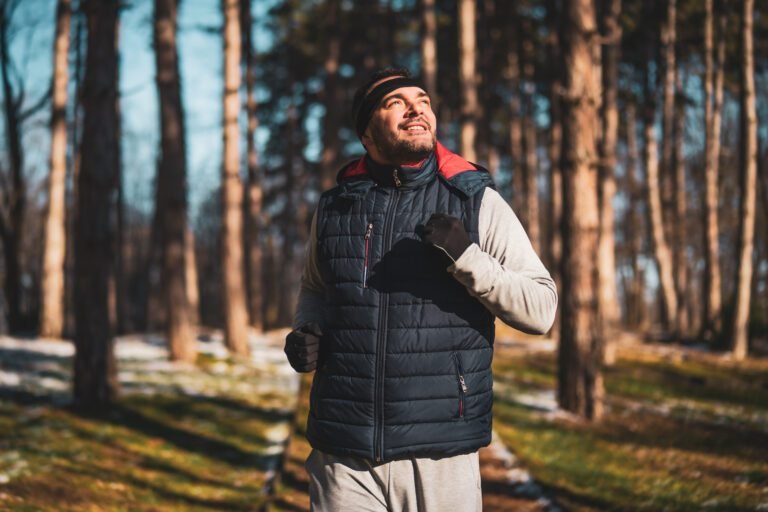
As outdoor adventure activities continue to challenge the limits of comfort in cold weather, heated clothing technology has introduced new limits to the capabilities of outdoor adventure lovers. Heated apparel that incorporates the latest heating technologies into outdoor gear allows outdoor adventurers to explore further, move more freely when engaging in an outdoor adventure, and concentrate on the thrill and excitement of participating in an outdoor adventure rather than the discomfort caused by the cold weather conditions. From hiking through the mountains, camping and winter camping or just commuting to work in cold weather to experiencing the joy of the outdoors, heated vests, such as the Heated Vests at ActionHeat, are quickly becoming essential gear for outdoor adventure enthusiasts that want to stay warm without worrying about being uncomfortable.
Heated clothing not only increases comfort but also provides safety for people who recreate outdoors in cold weather by keeping core temperature levels maintained in the body and supplying heated options for the hands, feet, and body. Thanks to heated clothing technology, outdoor adventure activities in winter are becoming increasingly accessible, and for many outdoor enthusiasts, heated clothing has evolved from a luxury item to a necessity. Additionally, the innovation of heated clothing has changed the way outdoor adventure gear is perceived in terms of function and technology and added to the overall safety and enjoyment of skiing, snowboarding, ice fishing, etc.
Heated Clothing 101
Heated clothing brings the latest in battery-operated heating systems together with performance-based outerwear. Designed to provide added warmth at the push of a button, micro-thin heating elements are woven into jackets, vests, gloves, pants, socks, and insoles. Most of these systems also allow you to adjust the heat intensity, so you can adjust the amount of heat needed in different environmental conditions. Heated clothing systems distribute heat evenly and directly to the most critical parts of the body, which allows them to outperform traditional insulating materials’ ability to keep the wearing user warm at optimal body temperatures in cold weather, allowing outdoor adventures to remain both safe and comfortable while being active in the outdoors.
Variety of Heated Clothing Options Available
The following variety of heated clothing options highlights how versatile heated clothing can be for all of your cold-weather clothing requirements:
- Jacket and Vest: Both heated jackets and vests are specifically manufactured to ensure that the core area of the body stays warm, which is essential for activities such as hiking in the winter, going on alpine expeditions or even commuting to work etc. Most heated jackets and vests feature several heating areas distributed along the jacket or vest which maximizes heating performance.
- Gloves and Mittens: Cold fingers/Hands can quickly put an end to skiing for the day or create a miserable environment for outdoor workers. Heated gloves and mittens help keep hands warm as well as retain dexterity during very cold temperatures. Because of this, heated gloves/ mittens have become very popular with skiers, snowboarders and ice anglers.
- Pants and Base Layer: Heated base layer pants and leggings are a great way to keep your entire body warm during extreme cold. They are an excellent way to help keep athletes and workers warm when they spend extended time on ice/snow.
- Socks and Insoles: Heated socks and insoles help. Continual exposure to cold temperatures creates numbness or discomfort in the feet of people who are spending many hours outdoors during the winter season (hikers, hunters, etc.).
Heating Clothing Advancements
Due to recent technological advancements, heated clothing has moved into the larger public consciousness. Today’s heated clothing products are designed using lightweight lithium-ion batteries and can provide heat for many hours; they also feature flexible carbon-fiber heating elements that provide an even heat distribution without the bulk. Many top manufacturers now offer controls for their heating products via Bluetooth systems. In addition, fabric innovation is essential for maximizing breathability, moisture-wicking capacity, and water- and wind-resistant durability — features that are vital whether you’re summiting a mountain, snowshoeing on a local path, or engaging in any other cold-weather activity. These advancements have helped to ensure that heated clothing is available, reliable, and versatile enough to provide a heated garment for virtually every type of cold-weather activity or user preference.
Advantages of using Heated Clothing
The tangible advantages that accompany the use of heated clothing offer individuals improved experiences when participating in outdoor activities. Most importantly, one of the main advantages of heated clothing is that it allows people to so that they can spend greater amounts of time outside — pushing themselves further and having fun with winter sports and exploration without experiencing the distraction of discomfort due to the cold. As heating garments also play a role in enhancing athletic performance, it is important that heating garments keep athletes’ joints and muscles warm; this decreases the chances of joint/muscle fatigue and strain from shivering due to muscular tension in cold weather. In severe cold, heated clothing also serves as a protective barrier against frostbite and hypothermia; both conditions can be life-threatening if not treated. Furthermore, Outside Magazine has conducted studies that show how managing your core temperature while in colder weather can help you remain safe.
The increase in outdoor winter recreation through the use of heated garments has opened up many opportunities for all individuals who are more sensitive to cold and have difficulties with their circulation to enjoy outdoor recreation in cold weather. Therefore, as more advancements in technology are created, the number of new outdoor enthusiasts is also growing.
The Ideal Clothing Choices for Heating
When deciding upon clothing that is heated for your needs, you should take into account the type of activity you do, the climate/environment you will be doing it in, and the length of time you will be involved in such activity. Below are essential things you should think about when picking your heated apparel:
- Type of Activity: Pick the type of heated clothing for the activity you will be doing. For example, if you are going ice fishing, you should have heated socks and gloves, but if you are skiing, consider a heated vest to wear underneath a shell jacket.
- Battery Run Time: Look at the specifications of the batteries to make sure they will last through your typically planned excursions into the woods and how long each excursion may last – this is particularly true for excursions into multi-hour or remote locations.
- Material Quality: You want to choose clothes that have been made out of high-quality fabric that resists the elements and has been tested by the manufacturer to withstand wear and tear.
- Fit and Comfort: Heated products must have a good fit for the wearer and should accommodate layering of base layers underneath them and allow the wearer to move freely without restrictions from the heated gear. Whenever possible, try on the heated gear along with the other clothing layers that you intend to wear with it.
The New York Times Wirecutter has additional tips on how to select and maintain heated clothing.
How to Care For and Maintain Heated Clothing
To maximize the lifespan and consistent performance capabilities of your heated clothing, it is imperative to follow these protective and storage steps regarding how to care for and maintain your heated clothing:
- Follow Manufacturer Directions: Always adhere to any specific cleaning instructions for your heated clothing (especially regarding how to wash/dry/store). Heated clothing is typically not washed/dried/stored in the same manner as other garments; therefore it is vital that you follow manufacturer recommendations specifically.
- Remove Batteries From Heated Gear Prior to Washing: It is imperative to remove any battery packs/power sources from your heated clothing before washing to avoid the possibility of damaging the heated clothing permanently.
- Store Heated Gear Properly: Store heated clothing in a cool and dry location, and avoid folding or “pinching” the wires too harshly because it may result in damage to the heating elements over time.
If you follow these best practices, you can protect your investment while ensuring you are warm every winter season.
Summary
Heated clothing is transforming the way that people use and enjoy the great outdoors. Not only does heated clothing provide warmth, but it also offers a new level of convenience and safety even in the worst winter weather. From heater jackets and vests designed to withstand high-performance conditions to advanced gloves and socks, heated clothing will provide you with all the comfort and safety you need for a good factor when planning your cold-weather adventures.