



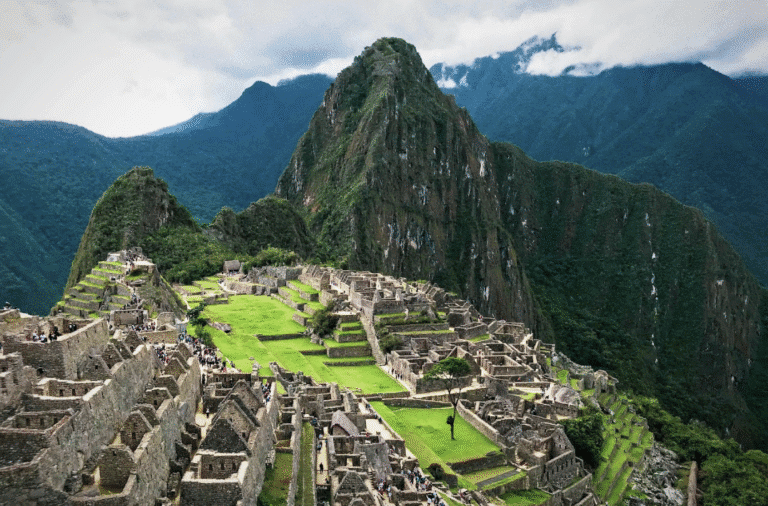
Stand amidst the silent, crumbling ruins of a once-great civilization. Do you ever feel frustrated, knowing that 90% of the original structure—its soaring ceilings, its vibrant colors, its living atmosphere—is lost forever to time and turmoil? This is the profound problem faced by archaeologists, historians, and cultural institutions worldwide. Thankfully, we have a way to beat the ravages of history. Enter the 3d architectural animation studio. These firms are not just rendering services for modern architects; they are digital preservationists and historical interpreters. Their core mission is to resurrect the scale, color, and atmosphere of these “lost worlds”. Whether they were destroyed, like parts of Palmyra, or were never fully realized, like countless architectural dreams. The specialized use of 3D modeling and animation is the only way to transform dusty archival research into accessible, high-impact cultural experiences. This makes the work of architectural 3d animation companies vital for museums and virtual tourism.
The Convergence of Archaeology and ArchViz: The Reconstruction Process
The digital resurrection of a lost temple isn’t based on an animator’s whim; it’s a rigorous, multi-disciplinary act of digital archaeology. You need more than just great software; you need solid historical evidence. The process involves a unique and essential partnership between archaeologists, historians, and 3D animators. The challenge is monumental: interpreting fragmented evidence—a few lines of obscure text, faint old etchings, or precise laser scans of broken foundations—and translating this chaos into a single, cohesive, three-dimensional model. This is digital forensics applied to monumental architecture, demanding patience and scholarly rigor. Only the best architectural 3d animation services can handle this level of complexity and historical scrutiny simultaneously.
Layers of Evidence: Where the Data Comes From
When a 3d architectural animation company undertakes a historical project, they are not guessing; they are engaging in an educated hypothesis backed by multiple data streams. Transparency is paramount in these endeavors, as the viewer needs to understand what is a documented fact versus what is a scholarly interpretation. It’s a fascinating puzzle where every scrap of information is critical.
- Archival Drawings and Maps: Using original, surviving plans, surveys, or sketches of the structure found in historical collections.
- Historical Texts and Accounts: Interpreting written descriptions of colors, construction materials, and detailed accounts of daily life within the structure.
- Archaeological Excavation Data: Integrating precise laser scan data (LiDAR) and photographic records of existing foundations, fragmented components, and ruin footprints.
- Comparative Analysis: Borrowing specific details (e.g., roof tiles, plaster color, column capitols) from contemporaneous, well-preserved structures from the same geographical region or time period.
Giving Life to the Stone: Texturing, Lighting, and Atmosphere
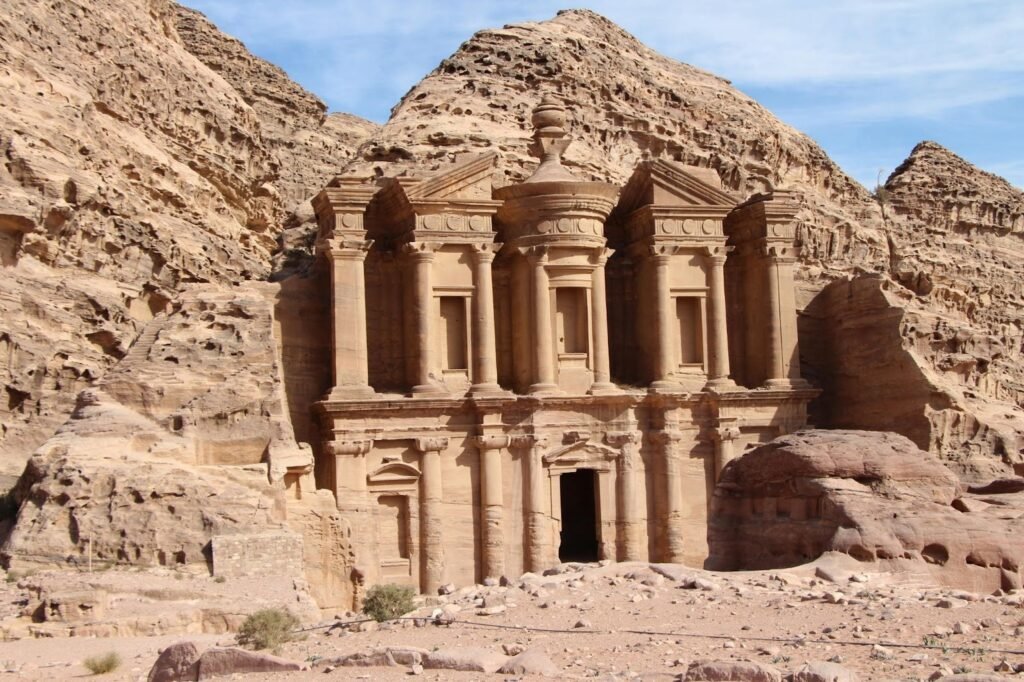
Modeling the structure accurately is only the first hurdle. The real magic—and the real historical lesson—comes from making the structure feel alive. The final animation must convey the experience of the lost world. This is where an expert architectural 3d animation company deploys specialized rendering techniques to simulate historical materials (such as the vibrant pigments of Roman temples, which we now know were not stark white) and use historically accurate lighting conditions. Simulating the weak, flickering glow of oil lamps inside a monumental space or the quality of sunlight at the site’s original latitude and elevation is vital. The resulting animation is designed to feel less like a clinical model and more like a vibrant, moving window into a past reality.
The Challenge of Color and Patina
One of the most significant obstacles that the top firms overcome using 3d architecture animation services is the historical color and texture of ancient buildings. For centuries, we were led to believe that classical structures were uniformly white—the infamous “marble myth.” We now know they were often vibrantly, even startlingly, colored. Animation companies use sophisticated analysis, like UV light mapping of chemical traces on remnants, to accurately reconstruct these lost palettes. This demanding process involves rendering the patina of age, simulating subtle signs of wear, and ensuring the material consistency is historically plausible. This obsessive attention to detail brings a crucial layer of authenticity to the digital reconstruction.
The Cultural Impact: From Museum Walls to Global Screens
What is the payoff for this exhaustive effort? The primary benefits of these digital reconstructions are their transformative role in education and cultural tourism. The technology, which relies heavily on advanced 3d architectural animation services, allows museums to display heritage that is either physically gone or simply too fragile to exhibit traditionally. Animated fly-throughs, immersive virtual reality experiences, and high-resolution digital exhibits democratize access to World Heritage. This ability to make complex historical concepts instantly accessible to a global, non-academic audience is powerful, replacing dry textbooks with visceral, stunning reality.
Democratizing History: Virtual Tourism and Education
This application emphasizes the remarkable accessibility of these animations. They allow anyone—researchers, students, or simply curious tourists—to virtually walk through the reconstructed majesty of the original Parthenon or the long-vanished wonders of Babylon from anywhere in the world. Discussing the use of these assets in online learning modules and large-scale public projections highlights how dedicated architectural 3d animation companies are actively preserving endangered cultural memory. Their work ensures that future generations can experience these pivotal historical landmarks in their full, reconstructed glory, irrespective of physical destruction or geographical barriers.
Conclusion
The work undertaken by architectural 3d animation companies is more than technical; it is profoundly cultural. They serve as the critical modern link between fragmented historical evidence and living cultural memory. Their advanced visualization technology, driven by rigorous research, transcends simple documentation by resurrecting the scale, detail, and atmosphere of the “digital unbuilt.” By transforming ruins and archival dreams into accessible, immersive digital realities, these specialized firms ensure that the most significant lost World Heritage Sites continue to inspire, educate, and captivate audiences globally, making history tangible once again.