



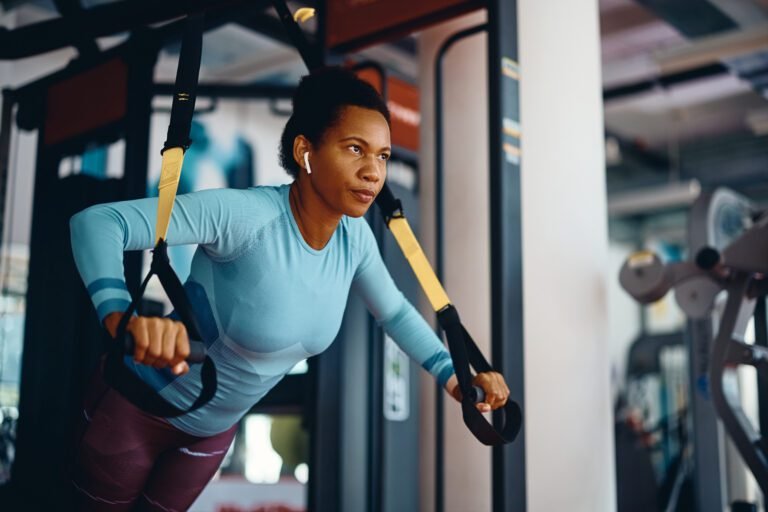
For years, fitness culture swung between extremes. Go hard or go home, grind every day, push past pain. That message worked for some people and burned out plenty of others. Lately, a different tone has been taking hold. Strength training is being reframed as something sustainable, adaptable, and deeply practical, not a punishment or a performance. The shift is subtle but meaningful, and it reflects how many people actually live now, with full schedules, aging joints, and a desire to feel capable instead of wrecked.
This new approach is not about abandoning effort. It is about using it wisely. Trainers, physical therapists, and everyday exercisers are leaning into strength that supports daily life, from carrying groceries to sitting comfortably at a desk for hours. The focus has moved toward longevity, balance, and confidence, not just visible muscle or personal records. That change is reshaping how people move, where they work out, and what they expect from fitness in the first place.
Rethinking Strength Outside The Gym
Not everyone wants or needs a traditional gym routine. Crowded weight rooms, long commutes, and rigid class schedules can turn a good intention into another stressor. That reality has helped normalize home workouts, not as a temporary workaround but as a legitimate way to build strength. What once felt like a compromise is now often a deliberate choice.
Strength training at home tends to be simpler by necessity. Fewer machines mean more reliance on bodyweight, resistance bands, dumbbells, and controlled movement. That simplicity can be a benefit. It encourages better form, more awareness, and routines that fit real life. A short session done consistently often delivers more than an ambitious plan that never quite happens. People are discovering that progress does not require spectacle, just repetition and patience.
This shift has also softened the idea of what counts as a workout. Ten focused minutes can matter. So can breaking movement into chunks across the day. The all or nothing mindset is fading, replaced by something more forgiving and, paradoxically, more effective over time.
Why Form And Function Are Back In Focus
One reason strength training feels different now is the renewed emphasis on form. Injuries, chronic pain, and burnout have made many people wary of anything that feels reckless. Coaches are responding by prioritizing movement quality over volume or intensity. Squats, hinges, pushes, and pulls are being taught with attention to alignment and control, not just speed.
This functional lens connects strength training to everyday movement. Strong legs make stairs easier. A stable core supports long hours of sitting or standing. Upper body strength helps with lifting children, luggage, or heavy doors. When people understand these connections, motivation shifts. Exercise stops being abstract and starts feeling useful.
There is also growing recognition that strength supports mental well-being. Feeling physically capable can reduce anxiety and build a sense of agency. That effect is not dramatic or flashy, but it is steady, and for many people, that steadiness is the point.
Skill-Based Movement Is Gaining Ground
Alongside traditional strength training, skill-based movement is drawing interest. Disciplines that emphasize coordination, balance, and body awareness are being rediscovered, sometimes by people who never imagined themselves doing anything remotely athletic. Gymnastics-inspired training, in particular, has found a broader audience.
This does not mean backflips and rings for everyone. In practice, it often looks like learning how to control your own body in space, through holds, hangs, rolls, and slow transitions. These skills build strength, but they also build confidence and resilience. Progress can be measured in small victories, like holding a position longer or moving with more ease.
Programs offering gymnastics in Washington DC, Boston or anywhere in between reflect this growing curiosity about movement that feels playful yet challenging. Adults are giving themselves permission to learn again, without the pressure to be perfect. That mindset can be refreshing in a culture that often demands immediate mastery.
The Role Of Recovery And Adaptation
Another defining feature of today’s strength conversation is respect for recovery. Rest days, mobility work, and sleep are no longer treated as optional extras. They are understood as part of the process. This perspective acknowledges that bodies change, stress accumulates, and progress is rarely linear.
Adaptive training plans are becoming more common. These plans allow for fluctuations in energy, health, and schedule without framing them as failures. If a workout needs to be lighter or shorter, that adjustment is seen as responsive, not weak. Over time, this flexibility can help people stay active longer and with fewer setbacks.
Nutrition and hydration are also discussed in more realistic terms. Instead of rigid rules, the emphasis is on nourishment that supports strength and recovery. The goal is sustainability, not perfection.
Finding Consistency Without Pressure
Consistency remains the backbone of any strength routine, but the way it is framed has evolved. Rather than rigid schedules, many people are building habits that bend without breaking. That might mean three solid sessions one week and two lighter ones the next. It might mean shifting focus based on what feels manageable.
Technology has played a role here, offering guidance without demanding constant intensity. Apps and online programs provide structure while allowing autonomy. People can choose what fits their day, not the other way around. This autonomy can make consistency feel less like an obligation and more like a choice.
Social support matters too. Communities, both online and offline, help normalize effort and imperfection. Sharing progress, setbacks, and adaptations creates a more honest picture of what staying active actually looks like.
Strength That Lasts
The evolution of strength training is not about trends for their own sake. It reflects a broader understanding of health as something lived daily, not chased through extremes. By focusing on function, adaptability, and respect for individual needs, today’s approach makes strength more accessible and meaningful.
This version of fitness does not demand that people become someone else. It asks them to work with the bodies they have, where they are, and to build capacity over time. That mindset may not grab headlines with spectacle, but it has staying power. In the long run, strength that fits into life tends to stick around, and that may be the most important measure of success.