



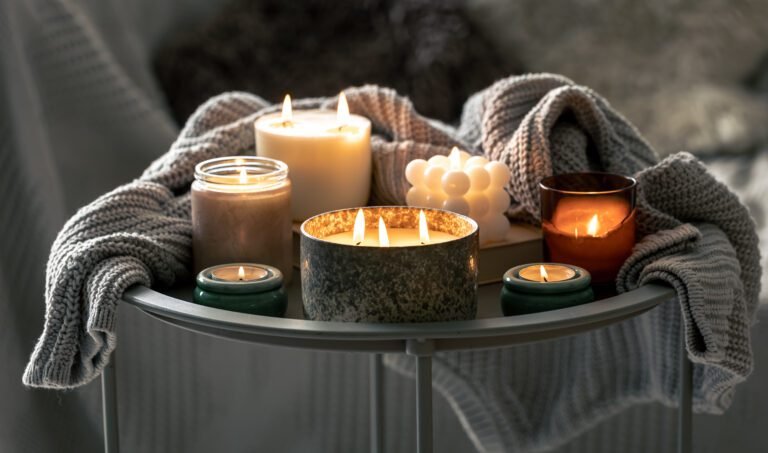
Creating a luxurious home environment is often associated with high-end furniture, designer accessories, and extensive renovations. However, luxury in home décor does not always require a premium price tag. One of the most effective and accessible ways to elevate interior spaces on a budget is through the thoughtful use of candles. When chosen and placed strategically, candles can add warmth, depth, and a sense of refinement that rivals far more expensive décor elements. Early planning, including timing purchases during a 3 wick candle sale, can make premium-looking décor achievable without overspending, especially when paired with well-chosen scented candles that enhance both visual appeal and atmosphere.
While candles may appear to be simple accessories, their impact on a space is influenced by a range of factors—design, fragrance, burn quality, placement, and even purchasing strategy. Balancing these elements thoughtfully is essential for homeowners seeking an upscale aesthetic without compromising practicality or budget.
Understanding Luxury in Budget-Friendly Home Décor
Luxury in interior design is less about cost and more about cohesion, intention, and sensory experience. A space feels luxurious when it is visually balanced, emotionally inviting, and thoughtfully curated. Candles contribute to this perception by engaging multiple senses at once—sight, smell, and even sound through the gentle flicker of a flame.
From a budget perspective, candles offer a high return on investment. Compared to statement furniture or architectural changes, they require minimal financial commitment while delivering immediate visual and emotional impact. The challenge lies in selecting candles that complement the décor rather than appearing decorative but disconnected.
The Role of Candle Design in Interior Aesthetics
The physical appearance of a candle significantly influences how it contributes to a room’s overall look. Container material, color, size, and finish all play a role in determining whether a candle feels refined or purely functional.
Glass containers with clean lines tend to suit modern and minimalist interiors, while ceramic or textured finishes may align better with rustic or traditional spaces. Neutral tones often offer the most versatility, blending seamlessly into various rooms without overpowering existing décor.
Multi-wick options, such as a three wick candle or a triple wick candle, can visually anchor larger spaces by appearing substantial without the need for multiple smaller accessories. However, this comes with a trade-off: larger candles may have a higher upfront cost, even if they provide better coverage and longevity over time.
Fragrance as a Design Element
Scent is a powerful yet often underestimated component of home décor. Fragrance has the ability to influence mood, perception of cleanliness, and even how spacious a room feels. Selecting the right scent profile is as important as choosing the right visual design.
Light, fresh notes tend to work well in kitchens, bathrooms, and entryways, where they create a clean and welcoming impression. Warmer, deeper fragrances are often better suited to living rooms and bedrooms, where comfort and relaxation are prioritized. However, fragrance strength must be balanced carefully. Overly intense aromas can overwhelm a space, diminishing the sense of luxury rather than enhancing it.
Scent candles and aromatic candles allow homeowners to subtly define different zones within a home without physical partitions. This approach can be particularly effective in open-plan layouts, though it requires careful coordination to avoid clashing scents.
Budget Considerations and Value Trade-Offs
Decorating on a budget inevitably involves trade-offs. When it comes to candles, the primary considerations are cost, quality, and longevity. Lower-priced options may be appealing initially, but they can burn unevenly, produce weak fragrance, or require frequent replacement. Higher-quality candles, while more expensive upfront, often last longer and deliver a more consistent experience.
Multi-wick candles can offer better value over time by providing stronger scent distribution and a more even burn in larger rooms. However, they may not be ideal for smaller spaces, where a single wick option could suffice and reduce unnecessary expense.
Another trade-off involves versatility versus specificity. Neutral candle designs can be reused across seasons, while highly themed options may feel luxurious during a specific period but lack year-round relevance. Budget-conscious decorators often benefit from investing in timeless designs and rotating them through different rooms as needed.
Placement and Spatial Impact
Where candles are placed has a significant effect on how luxurious they appear. Thoughtful placement enhances their role as décor, while poor placement can make them feel incidental or cluttered.
Candles positioned at varying heights create visual interest and depth. Pairing them with books, trays, or natural elements such as stone or wood can elevate their presence without additional cost. In contrast, overcrowding surfaces with too many candles may detract from the intended elegance.
Safety and practicality must also be considered. While candles can enhance ambiance, their placement should never compromise functionality or pose risks. This is especially important in households with children, pets, or limited space.
Seasonal Styling Without Excess Spending
One of the advantages of using candles in home décor is their adaptability across seasons. With minimal investment, a home can transition from light and airy in warmer months to cozy and intimate during colder seasons.
The challenge lies in avoiding excessive seasonal purchases that strain the budget. Instead of acquiring entirely new décor, homeowners can rotate candle placements, switch holders, or adjust accompanying accessories to reflect seasonal changes. This approach maximizes the utility of existing items while maintaining a refreshed look.
Environmental and Lifestyle Impact
Modern home décor decisions increasingly consider environmental impact. Candles vary widely in terms of materials, burn efficiency, and waste generation. Budget-friendly choices that align with sustainability goals often involve trade-offs, such as slightly higher upfront costs for cleaner-burning options.
Longevity plays a role here as well. Candles that burn evenly and last longer reduce the frequency of replacement, minimizing waste over time. Choosing designs that can be reused as containers or repurposed for storage also adds functional value beyond their original purpose.
Balancing Visual Appeal and Sensory Experience
Achieving a luxurious atmosphere requires balancing what a space looks like with how it feels. Candles that are visually stunning but lack an appealing fragrance may fall short, just as pleasant scents housed in unattractive containers can disrupt aesthetic harmony.
This balance is particularly important in multi-use spaces. A living room that serves both as a relaxation area and a social setting may benefit from subtle fragrances that complement, rather than dominate, the environment. Selecting versatile fragrance profiles allows a single candle to serve multiple purposes, reducing the need for additional purchases.
Challenges in Creating a Cohesive Look
One of the most common challenges in budget décor is inconsistency. Mixing too many styles, colors, or scent profiles can make a space feel disjointed. Candles, while relatively small items, can either unify a room or contribute to visual noise.
Maintaining cohesion requires restraint. Choosing a limited palette of candle designs and fragrances helps establish continuity throughout the home. This approach may mean passing on trend-driven options in favor of more neutral choices, but it supports long-term value and adaptability.
Making Informed Decisions for Long-Term Value
Ultimately, decorating with candles on a budget is about informed decision-making. Understanding how design, fragrance, placement, and purchasing strategy interact allows homeowners to achieve a refined look without unnecessary expense.
Candles are most effective when treated as intentional design elements rather than impulse purchases. Evaluating their impact on ambiance, longevity, and overall cohesion ensures that each addition contributes meaningfully to the space.
Final Thoughts
Luxury home décor does not have to be defined by high costs or exclusivity. Through thoughtful selection and strategic use of candles, it is possible to create an environment that feels elegant, inviting, and well-considered. By weighing trade-offs between cost and quality, balancing visual and sensory elements, and considering long-term impact, homeowners can achieve a sophisticated aesthetic that aligns with both their budget and lifestyle. Candles, when used intentionally, demonstrate that small, well-chosen details can have a transformative effect on any living space.