



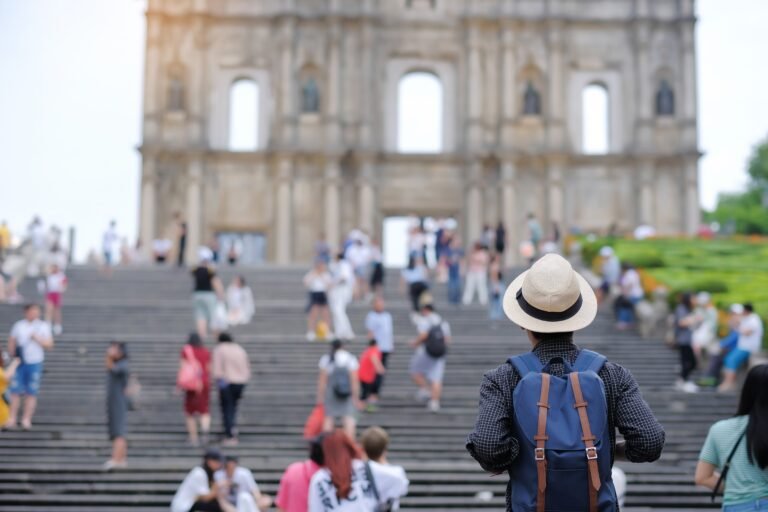
Tourism is often one of the hardest-hit industries when disaster strikes. Travel slows, businesses close, and local economies lose a vital source of income almost overnight. Yet, when approached thoughtfully, tourism can also play a powerful role in recovery. It can restore livelihoods, rebuild confidence, and support long-term resilience in affected communities.
This guide explores how tourism and recovery efforts can align in a way that benefits both visitors and the places they choose to explore.
Understanding the Timing of Travel
One of the most important factors is timing. Immediately after a disaster, affected areas need space for emergency response and recovery operations. During this phase, tourism shouldn’t interfere with relief efforts.
However, as stability returns, responsible travel can become a valuable tool for recovery. Visitors bring spending power, create demand for local services, and help businesses reopen. Knowing when a destination is ready to welcome tourists again is key to ensuring that travel supports, rather than disrupts, recovery.
Supporting Local Economies Directly
Tourism has a direct economic impact. When travelers choose to visit recovering destinations, their spending supports local jobs, small businesses, and community services.
Simple choices can make a meaningful difference:
- Staying in locally owned accommodation
- Eating at independent restaurants
- Booking tours with local guides
- Purchasing goods made within the community
These actions help ensure that money stays within the local economy, accelerating recovery and reducing reliance on external aid.
Choosing Responsible Travel Providers
Not all tourism contributes equally to recovery. Responsible travel providers prioritize ethical practices, fair wages, and community engagement. When selecting where to book, travelers can look for operators that:
- Partner with local communities
- Invest in sustainable practices
- Contribute to rebuilding efforts
This approach ensures that tourism becomes part of the solution rather than an extractive activity.
Respecting Communities and Their Experiences
Disaster-affected areas aren’t attractions; they’re homes to people who may still be recovering from trauma and loss. Respect and sensitivity are essential.
Visitors should:
- Avoid intrusive behavior or “disaster tourism”
- Follow local guidance and restrictions
- Be mindful of cultural and emotional contexts
Responsible tourism is about engagement, not exploitation. It supports communities without turning their experiences into spectacle.
Integrating Sustainability into Recovery
Rebuilding after a disaster presents an opportunity to create more sustainable tourism systems. Rather than restoring outdated infrastructure, destinations can adopt greener practices that benefit both the environment and the local economy.
This may include:
- Developing eco-friendly accommodation
- Protecting natural landscapes and ecosystems
- Promoting low-impact travel experiences
Sustainable tourism strengthens long-term resilience, ensuring that destinations are better prepared for future challenges.
The Role of Donations Alongside Travel
While tourism can support recovery, it isn’t a substitute for direct aid. Donations remain a critical part of disaster response, particularly in the early stages.
Travelers who want to contribute further can combine their visits with financial support. Contributing to trusted organizations helps fund emergency services, recovery programs, and long-term rebuilding efforts. If you’re looking to make a direct impact, you can explore options for supporting disaster relief through donations.
By combining responsible travel with financial contributions, individuals can support both immediate and ongoing recovery needs.
Collaboration Between Sectors
The most effective recovery strategies involve collaboration between tourism bodies, governments, and humanitarian organizations. Together, they can:
- Promote accurate information about when destinations are ready to receive visitors
- Develop tourism strategies that align with recovery goals
- Ensure that economic benefits are distributed fairly
This coordinated approach helps avoid confusion and ensures that tourism supports broader recovery efforts.
Turning Travel into a Force for Good
Tourism is often seen as a luxury, but in the context of disaster recovery, it can become something much more meaningful. It can restore confidence in a destination, provide income for families, and contribute to rebuilding communities.
The key lies in intention. When travelers make informed, respectful, and responsible choices, their presence becomes part of the recovery process. By understanding how tourism and recovery efforts can work together, it becomes possible to travel in a way that not only enriches personal experiences but also supports the places that need it most.