



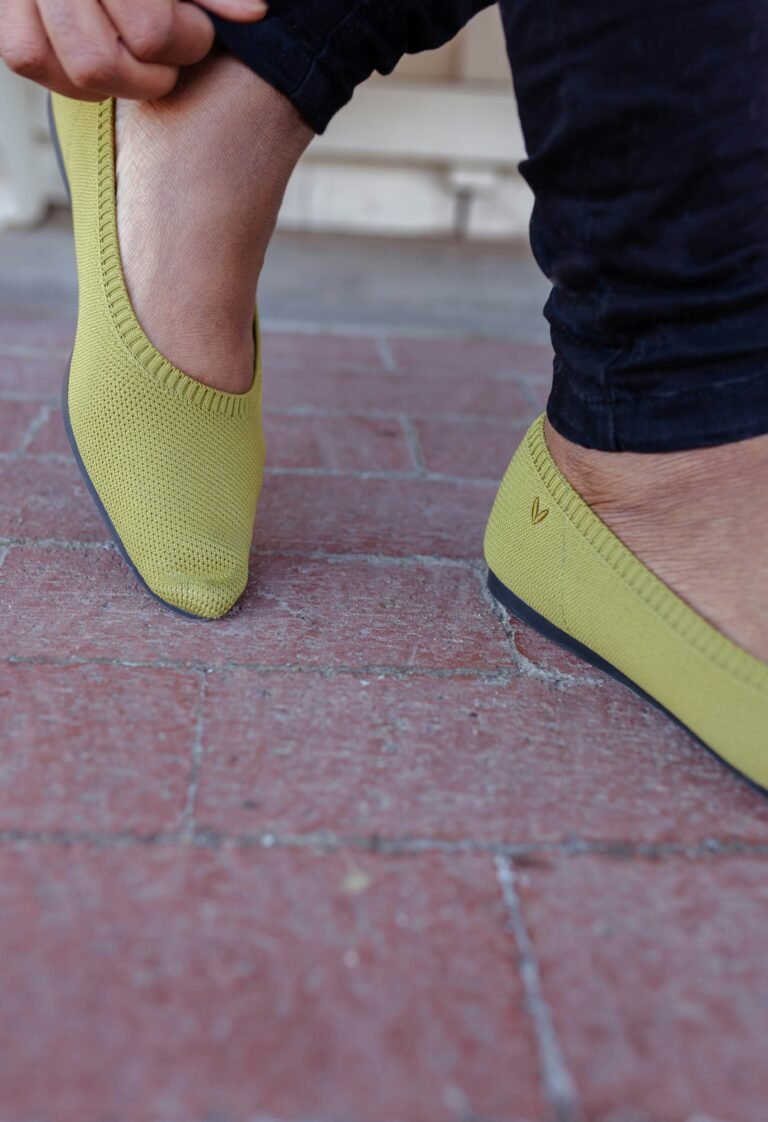
Walking is one of the most natural forms of movement, yet the quality of the experience depends heavily on what you wear on your feet. Smart shoe design goes far beyond appearance, blending biomechanics, material science, and thoughtful construction to support the body with every step. When shoes are designed with function in mind, they can transform walking from a tiring necessity into a comfortable, confidence-boosting activity.

The Role of Foot Anatomy in Shoe Design
Every smart shoe starts with an understanding of foot anatomy. The human foot contains dozens of bones, muscles, and ligaments that must work together to support body weight and absorb impact. Poorly designed footwear can interfere with this balance, leading to fatigue or discomfort over time. Smart shoe design takes natural foot movement into account, allowing the foot to flex where it should while remaining supported where it needs structure. This harmony between foot and shoe is key to enhancing walking comfort.
Cushioning That Works With Every Step
Cushioning is one of the most noticeable elements of a well-designed shoe, but it is not just about softness. Smart cushioning systems are engineered to absorb shock at impact and then redistribute pressure evenly across the foot. This reduces stress on sensitive areas such as the heel and ball of the foot. By minimizing repetitive impact, these designs help walkers maintain energy and comfort over longer distances, whether strolling through a city or standing for extended periods.

Arch Support and Alignment Benefits
Proper arch support plays a critical role in walking efficiency. Shoes designed with built-in support help align the foot, ankle, and lower leg, promoting a more natural stride. This alignment reduces strain on joints and muscles throughout the body. For individuals who experience foot discomfort, especially in the arch or heel, choosing footwear with thoughtful structural support can make a noticeable difference. Many people seeking the best women’s shoes for plantar fasciitis turn to designs that prioritize stability and targeted support to improve daily walking comfort.
Breathable Materials for All-Day Wear
Smart shoe design also focuses on materials that enhance comfort beyond structure alone. Breathable uppers allow air to circulate, helping regulate temperature and reduce moisture buildup. This is especially important for walking, as excess heat or sweat can lead to irritation and fatigue. Lightweight materials further reduce the effort required to lift the foot with each step, contributing to a more effortless and enjoyable walking experience.
Outsole Design and Natural Movement
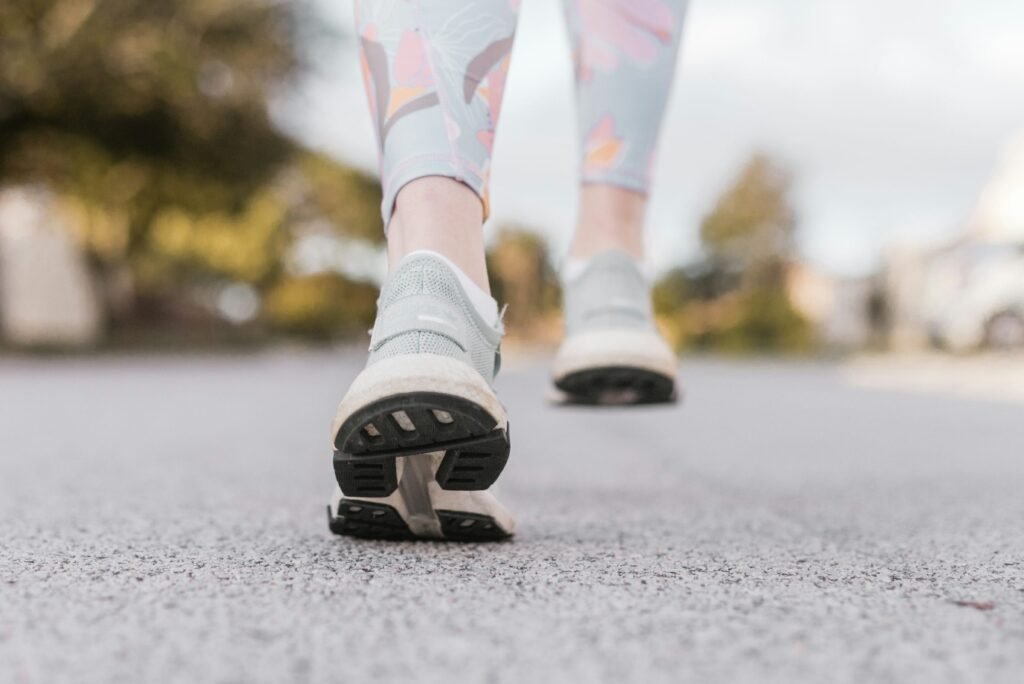
The outsole is where the shoe meets the ground, making it a critical component of smart design. Well-crafted outsoles provide reliable traction while still allowing natural foot movement. Flex grooves and carefully placed tread patterns help the shoe bend in sync with the foot, supporting a smooth heel-to-toe transition. This encourages a more fluid walkingrhythm and helps prevent the stiff, unnatural feel that can come from poorly designed soles.
Long-Term Comfort and Everyday Confidence
Smart shoe design is ultimately about consistency. Shoes that support the foot properly, manage impact, and encourage natural movement contribute to long-term comfort, not just short-term relief. When walking feels easier and more stable, it can boost confidence in everyday activities, from commuting and errands to leisure walks. Investing in thoughtfully designed footwear is an investment in how the body feels throughout the day.
By combining anatomical understanding, advanced cushioning, supportive structure, and breathable materials, smart shoe design enhances the walking experience in meaningful ways. The right shoes do not just protect the feet; they actively support movement, helping walking feel smoother, more comfortable, and more enjoyable every step of the way.