



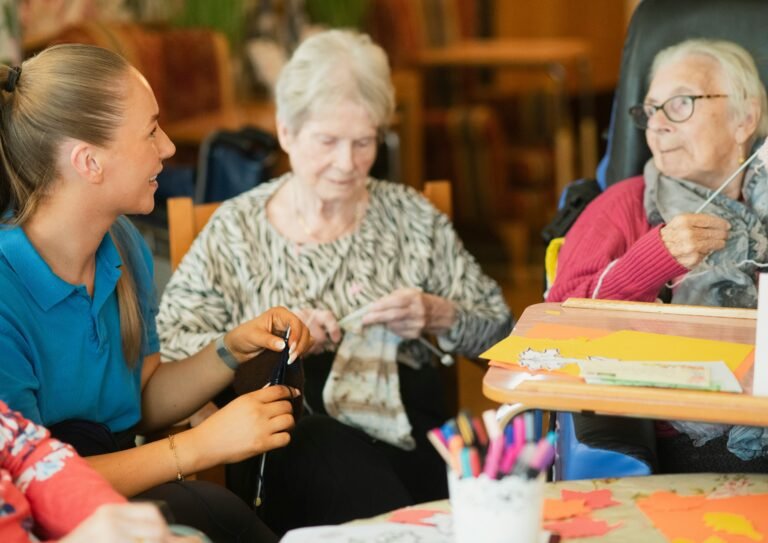
Professionals who work in social care play a vital role in helping communities grow stronger, healthier, and more connected. Their work reaches people at moments of vulnerability and transition, offering guidance, stability, and understanding. Through consistent support and ethical practice, social care professionals help individuals and families navigate challenges while also contributing to the overall well-being of the community. Their impact extends beyond immediate assistance and supports long-term growth rooted in dignity, trust, and shared responsibility.
Higher Education as the Foundation
Higher education shapes the values, skills, and mindset that professionals bring into social care roles. Formal learning provides a structured space to explore human behavior, social responsibility, and ethical decision-making. It also helps future professionals understand how personal experiences intersect with broader social conditions. Academic training encourages reflection, empathy, and accountability, which are essential qualities in social care work.
Programs designed for working professionals support both learning and real-world application. An MSW hybrid degree allows students to balance academic study with hands-on experience, reinforcing classroom learning through daily practice. This approach helps professionals develop confidence while staying connected to the communities they serve. Education strengthens their ability to listen, respond thoughtfully, and act with integrity, all of which contribute to positive outcomes for individuals and communities alike.
Understanding Community Needs Through Human Connection
Social care professionals begin their work by building trust. They engage with individuals and families through respectful conversations that honor lived experiences. This human connection allows professionals to understand the real needs of a community rather than relying on assumptions. Listening without judgment creates space for people to share their concerns, goals, and hopes.
Through ongoing interaction, professionals gain insight into patterns affecting community well-being. They recognize barriers that limit access to support and identify strengths that can be nurtured. This understanding helps them design responses that feel relevant and supportive. When people feel heard and respected, they are more likely to engage in positive change that benefits both themselves and the wider community.
This approach encourages shared understanding, where professionals and community members work together rather than in separate roles. Genuine connection builds mutual respect, making it easier to address challenges with solutions that reflect real experiences and collective values.
Supporting Individuals and Families Through Practical Care
Direct support is a core part of social care. Professionals assist individuals and families as they navigate life challenges that affect stability and health. This support may involve guidance, emotional reassurance, or connecting people with helpful resources. The goal is to empower individuals to make informed decisions and regain a sense of control.
By focusing on practical care, professionals help reduce stress and uncertainty. They work alongside families to develop plans that reflect personal values and priorities. This collaborative approach builds confidence and encourages self-reliance. As individuals gain stability, they are better positioned to contribute positively to their communities, creating a cycle of mutual support and growth.
This form of care also emphasizes consistency, ensuring that individuals feel supported over time rather than during isolated moments. Steady guidance helps families adjust to change with clarity and reinforces a sense of security that supports healthier relationships and daily routines.
Strengthening Community Systems Through Collaboration
Social care professionals do not work in isolation. They collaborate with educators, healthcare providers, and community leaders to create coordinated support systems. This teamwork ensures that individuals receive consistent care that addresses multiple aspects of their lives. Collaboration also reduces gaps in services and promotes shared responsibility.
By fostering strong relationships across sectors, professionals help communities respond more effectively to challenges. They encourage open communication and shared goals, which strengthens community resilience. When systems work together, communities become more adaptable and inclusive, allowing people to thrive even during times of change.
Advocacy as a Path to Collective Well-being
Advocacy is an essential part of social care. Professionals speak up for individuals whose voices may not be heard and work to promote fairness within community systems. They identify policies and practices that affect well-being and encourage thoughtful dialogue around improvement. Advocacy focuses on creating environments where people have access to support and opportunity.
Through respectful engagement, professionals help communities recognize shared values and responsibilities. They encourage participation and awareness, empowering people to take part in shaping their own futures. Advocacy builds a sense of belonging and purpose, reinforcing the idea that community well-being is a collective effort.
Ethical Practice and Professional Accountability
Ethics guide every aspect of social care work. Professionals are entrusted with sensitive information and personal stories, making integrity essential. Ethical practice ensures that care is delivered with respect, confidentiality, and fairness. It also requires professionals to reflect on their own biases and remain committed to learning.
Accountability strengthens trust between professionals and the communities they serve. By adhering to clear standards, social care workers demonstrate reliability and professionalism. This trust encourages engagement and cooperation, which are critical for long-term community health. Ethical practice supports sustainable relationships that allow care to have a lasting impact.
Ethical accountability also supports transparency in decision-making, helping individuals understand their options and feel respected throughout the care process. When professionals act consistently and responsibly, communities gain confidence in the systems designed to support them, reinforcing stability and mutual respect.
Building Resilience and Hope Over Time
Social care professionals contribute to resilience by helping individuals and communities adapt to challenges. They focus on strengths and encourage problem-solving that builds confidence. Over time, this support helps communities develop coping skills and a shared sense of hope.
Resilience grows through consistent care and positive relationships. Professionals remain present during difficult moments and celebrate progress as it unfolds. Their commitment helps communities recognize their capacity for growth and change. By fostering hope and connection, social care professionals help create environments where people can thrive together.
The work of social care professionals is grounded in compassion, knowledge, and collaboration. Through education, ethical practice, and genuine human connection, they support individuals while strengthening the fabric of the community. Their efforts create pathways toward well-being that extend beyond immediate needs and nurture a future built on care, understanding, and shared progress.