



Key Takeaways
- Holistic rehab centers offer an integrated blend of physical, emotional, and spiritual therapies to enhance recovery and relapse prevention.
- Standard practices include yoga, nutritional support, mindfulness, and complementary therapies such as art or music therapy.
- Research shows that holistic methods can significantly improve treatment outcomes and quality of life for individuals in recovery.
Table of Contents
- Understanding Holistic Rehabilitation
- Physical Healing Through Nutrition and Exercise
- Mental and Emotional Well-Being
- Spiritual Growth and Connection
- Complementary Therapies
- Building Resilience and Preventing Relapse
- Personalized Recovery Plans
- Conclusion
Choosing the path to recovery from substance use can be one of the most critical decisions in life. Modern rehabilitation is shifting beyond simply addressing the immediate physical effects of addiction, instead embracing holistic approaches that treat the body, mind, and spirit as a connected whole. An increasing number of drug and alcohol rehab centers are adopting integrative therapies that support deep, lasting healing. Please learn more about these holistic methods and why they are gaining traction at centers like https://heartwoodrecovery.com/.
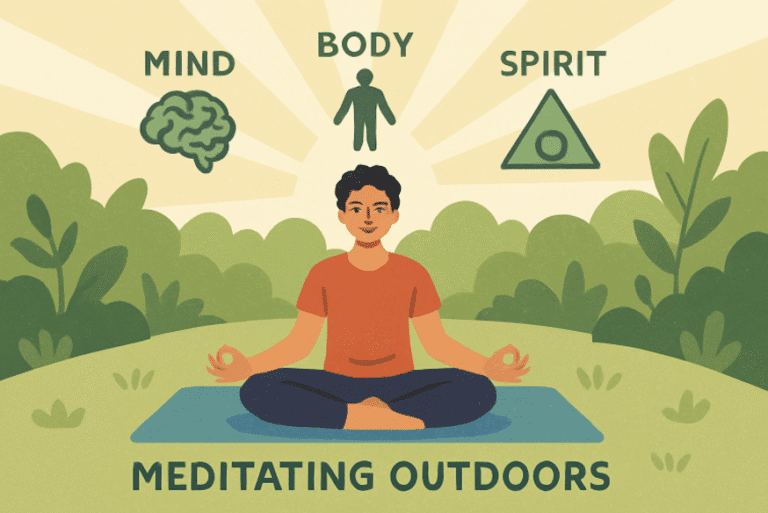
Addressing addiction at its roots means supporting the person as a whole, not just treating physical symptoms. Holistic rehab centers employ mindfulness, nutritional guidance, movement-based therapies, and stress reduction techniques to empower individuals as they reclaim their lives. This comprehensive philosophy recognizes that sustainable wellness requires more than sobriety; it means cultivating a healthy mind, reenergized body, and renewed sense of purpose.
Understanding Holistic Rehabilitation
Holistic rehabilitation evolved to address the limitations of traditional addiction treatment models, which often prioritize detoxification and physical stabilization. Proper recovery means healing all dimensions of self. By weaving together mindful practices, physical activity, and nutrition, holistic centers teach individuals to transform not just habits, but also mindset and daily routines. The goal is to encourage self-awareness, nurture resilience, and foster a proactive well-being approach after rehab.
Physical Healing Through Nutrition and Exercise
Years of substance abuse can deplete the body’s natural reserves, weaken immunity, and sap vitality. Restoring key nutrients through expert nutritional counseling is core to holistic recovery, giving the body the fuel it needs for repair and renewal. Equally vital, exercise is incorporated in many programs—not just for physical benefits but also because it naturally elevates mood, reduces anxiety, and reduces cravings. Holistic programs commonly offer yoga and gentle movement, effectively integrating body awareness with stress management.
According to the structured exercise and diet programs can accelerate healing and support long-term substance abuse recovery.
Mental and Emotional Well-Being
Addiction is often intertwined with complex emotional patterns, trauma, and stress. Holistic rehab approaches introduce practices such as mindfulness and meditation, proven to reduce anxiety and depression while enhancing coping abilities. These therapies support self-reflection and create a safe space where difficult emotions and triggers can be examined and worked through without judgment. Building emotional resilience is key to successful long-term recovery and often includes talk therapy, group sessions, and creative therapies.
Spiritual Growth and Connection
The journey toward freedom from addiction often requires reconnecting with a more profound sense of meaning, hope, and purpose. Holistic centers frequently design activities—such as nature therapy, meditation, or group reflection—that help individuals rediscover their values and establish a sense of spiritual connectedness with others or nature. For many, this spiritual growth becomes the foundation for sustainable wellness, providing comfort and motivation in times of struggle. Details on the science behind spirituality in recovery are available from Psychology Today.
Complementary Therapies
The holistic approach often blends traditional talk therapy with complementary and alternative treatments such as acupuncture, massage, equine therapy, and expressive arts. These therapies can relieve cravings, reduce physical discomfort, and offer healing experiences outside verbal communication. Creative outlets let individuals express themselves in new ways, process trauma, and discover healing beyond the boundaries of conventional methods. Such integrative strategies can make rehabilitation more inclusive and tailored to individual preferences and needs.
Building Resilience and Preventing Relapse
Sustaining recovery after leaving a center is a central challenge. Holistic treatment arms individuals with a robust set of tools—including meditation, journaling, and stress-reduction exercises—to manage intense emotions and environmental triggers. Group support and goal-setting instill positive new habits, while experiential therapies encourage adaptability and resourcefulness. These coping skills lower the risk of relapse and support a smoother transition to independent, healthy living.
Personalized Recovery Plans
No two individuals are alike. That’s why the most effective create personalized recovery plans aligning with a person’s unique experiences, health status, and goals. By carefully evaluating psychological, physical, and social factors, holistic centers find the best therapies for lasting change. Customization—combined with continued support after formal treatment—can address underlying trauma, prevent relapse, and chart a course for long-term health and resilience.
Conclusion
Holistic drug and alcohol rehab centers provide a robust and integrated approach to recovery that nurtures the body, supports the mind, and awakens the spirit. Addressing each aspect of the individual means not just overcoming addiction, but building a foundation for lifelong health and purpose. Rehabilitation catalyzes personal transformation, empowering individuals to cultivate balance, resilience, and renewed vitality on the journey ahead.