


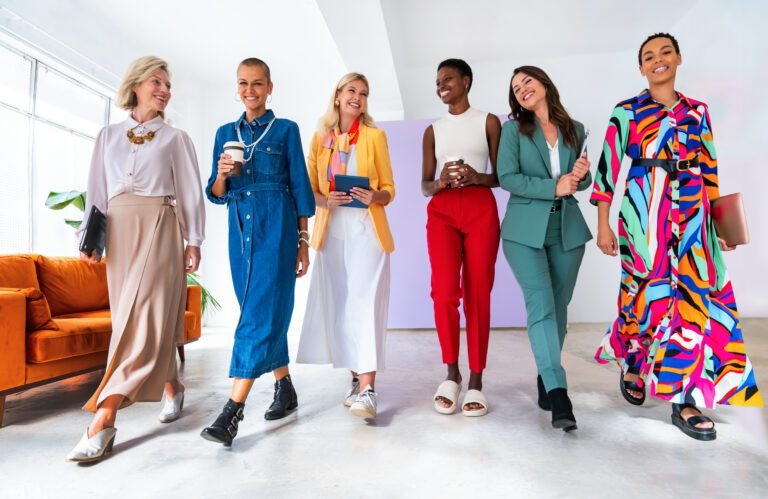
For a long time, fashion and function were treated like opposites. Clothing was either stylish or practical, but rarely both. That divide is quietly disappearing. Today’s travelers and everyday consumers are choosing pieces that work harder, travel better, and adapt to real life without sacrificing personal style.
What’s emerging isn’t a single look or aesthetic. It’s a shift in priorities. Comfort, durability, versatility, and thoughtful design are becoming as important as silhouette or color. The trends of the future aren’t loud. They’re intentional, shaped by how people move, explore, and live.
Why the Right Swimwear Sets the Tone for Warm-Weather Travel
Warm-weather months invite people outside, whether that means beach trips, poolside afternoons, or spontaneous weekends near water. A well-chosen bathing suit plays a bigger role than many realize, not because it’s on display, but because it affects how relaxed and present you feel.
Well-constructed swimwear allows people to enjoy summer without constant adjustment or self-consciousness. Many travelers look for options like one-piece suits, tankinis, swim dresses, athletic styles, or sexy bikini designs as part of a broader range of choices. The key is coverage that feels secure, fabrics that hold their shape, and cuts that support movement.
When swimwear fits well and aligns with comfort preferences, it quietly enhances the experience of warm weather instead of distracting from it. That sense of ease is becoming a defining feature of future-focused fashion.
Footwear Innovation Is Redefining How We Explore on Foot
Shoes may be the most important functional fashion item for travelers, and they’re also where design innovation is accelerating the fastest. The modern traveler expects footwear to handle long walking days, uneven terrain, and changing environments while still looking intentional.
Now more than ever before, smart shoe design enhances walking experiences and movement. Thoughtful cushioning, adaptive materials, and ergonomic construction are no longer niche features. They are becoming baseline expectations.
As cities become more walkable and travelers prioritize immersive experiences over rigid itineraries, footwear that supports movement is shaping wardrobes. The future trend isn’t owning more shoes. It’s owning fewer pairs that can do more.
Travel Clothing is Becoming Modular and Multi-Purpose
One of the clearest trends shaping fashion’s future is modularity. Travelers want clothing that can transition easily from one context to another without needing constant outfit changes.
A single dress that works for sightseeing, dinner, and a flight home. Pants that stretch for comfort but hold their structure. Lightweight layers that adapt to changing temperatures. These pieces reduce packing stress and support more spontaneous travel.
This shift toward multi-purpose design reflects a broader move away from excess. Clothing is being evaluated by how many situations it can handle, not how closely it follows seasonal trends.
Fabric Technology is Quietly Leading the Way
While silhouettes may change slowly, fabric innovation is moving fast. Moisture-wicking materials, odor-resistant treatments, wrinkle-resistant blends, and temperature-regulating textiles are becoming standard in travel-friendly fashion.
These developments are especially valuable for people who want to pack lighter or move through long days comfortably. Clothing that dries quickly, resists creasing, and feels breathable supports longer wear without feeling worn out. Material science is shaping what we wear and the future of fashion is increasingly built using these forward-thinking fabrics.
Comfort is Becoming a Design Principle, Not a Compromise
For decades, comfort was treated as something you gave up to look put together. That mindset is shifting. Today’s most successful designs assume comfort as a starting point, not an afterthought.
Elasticized waistbands hidden in tailored pieces, softer linings, flexible seams, and forgiving fits are showing up in collections across price points. These details matter most when traveling, but they improve everyday wear too.
When clothing supports natural movement and posture, people carry themselves differently. That subtle confidence is becoming part of the appeal of functional fashion.
Sustainability and Longevity Are Influencing Style Choices
As travelers become more conscious of what they pack and purchase, longevity is influencing fashion decisions. Pieces that hold up across seasons and trips feel more valuable than trend-driven items with a short lifespan.
This doesn’t mean fashion is becoming boring. It means design is becoming more thoughtful. Neutral palettes that mix easily, classic shapes with modern details, and quality construction are being prioritized over novelty.
Future trends point toward wardrobes built around trust. Clothing you know will work, travel well, and still feel relevant years from now.