



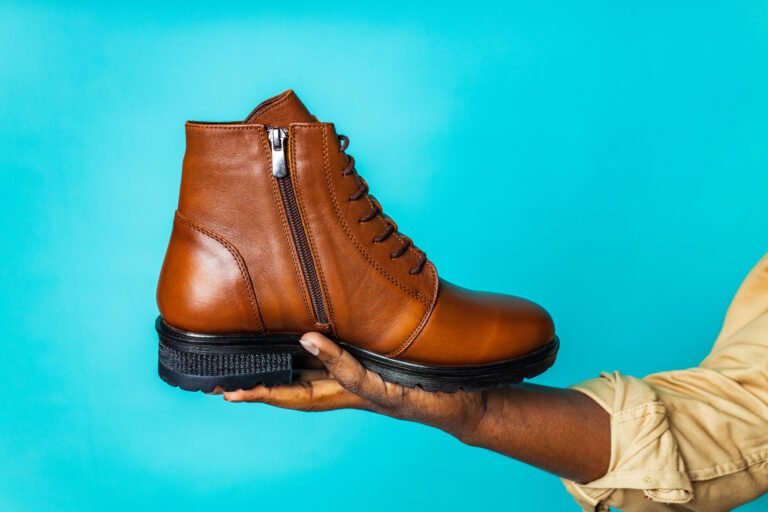
Workwear has always prioritized function, but design and comfort matter just as much now. Side-zip boots exemplify this shift perfectly. Once considered tactical or niche, they’ve become essential for professionals who want gear that performs well and saves time. Built to combine structure with speed, side zip boots offer the best of both worlds. Workers in construction, logistics, and emergency response rely on them for fast access and dependable protection.
The side zipper format earns attention not because it’s novel, but because it solves a real workflow problem. Many professionals put on and take off their boots multiple times per day at a jobsite trailer, in a warehouse break area, at a station, or during travel between locations. When laces are the only closure, the routine becomes repetitive and inconsistent. A side zipper reduces friction during daily use while still allowing laces to provide a stable, dialed-in fit.
This design also helps you stay ready when it counts. With laces set once, the boot can maintain the same fit day after day, while the zipper handles entry and removal. For roles that require quick transitions, this saves time and helps you maintain focus at the start and end of a shift. Side zip boots are also helpful when hands are cold, gloved, or carrying equipment.
In the sections ahead, we break down what separates a high-quality side zip work boot from a convenience-first option, including zipper construction, support, outsole grip, and job-appropriate safety features.
Why Side Zipper Boots Are Gaining Ground
Side zip boots are gaining popularity for practical reasons. They provide strong support with quick entry and removal. Benefits include:
- Quick on and off access that saves time at shift changes and reduces wear on laces
- Consistent fit with laces set once, so your boots feel the same every day
- Faster boot removal in urgent situations or when transitioning between tasks
These features are especially valuable for professionals who must switch gears quickly or operate in hazardous environments.
What to Look for in a Side Zipper Work Boot
Side zip boots vary widely in quality. Look for the following attributes to ensure lasting performance and daily comfort.
Reinforced Construction
Durable boots are built from full-grain leather or synthetic materials such as ballistic nylon. Stitching and overlays at high-wear zones improve durability and extend the life of your boots.
Zipper Quality
Choose boots with industrial-grade zippers such as YKK. A covered zipper track protects against debris, water, and sparks. This adds longevity and keeps the zipper functioning in rough conditions.
Safety Features
Depending on your work environment, you may need boots that meet ASTM F2413-18 standards. Steel, alloy, or composite safety toes protect against compression or impact. Composite toes are non-metallic, lightweight, and resistant to electrical hazards.
Slip Resistance
Outsoles tested under ASTM F3445-21 provide grip on slick surfaces. Deep tread patterns and oil-resistant materials reduce the risk of falls in warehouse, outdoor, or industrial settings.
Comfort and Support
Look for cushioned midsoles, arch support, and moisture-wicking linings. Long shifts become easier when boots are built for ergonomic performance.
Where Side Zip Boots Excel
These boots are used across industries where time, safety, and mobility all matter.
Construction
Side zip boots provide safety and speed. Workers benefit from toe protection, puncture-resistant midsoles, and ankle support during long hours on site.
Logistics and Warehousing
Professionals working on concrete floors or handling rapid order fulfillment need lightweight boots that offer support and traction. Zipper access saves time at shift changes.
Emergency Response and Security
First responders need boots that can be put on and taken off quickly. Many side zip boots are waterproof, uniform-approved, and designed for rapid gear transitions.
Utilities and Field Maintenance
Electricians, cable techs, and public works crews prefer boots that meet electrical hazard standards. Composite toes reduce weight, and zipper access helps speed transitions between indoor and outdoor work.
Why Safety Standards Matter for Side Zip Boots
Work boot standards exist to protect you from real workplace hazards. OSHA requires protective footwear when you’re at risk from falling objects, punctures, or electrical hazards, with boots meeting ASTM F2413 standards for toe protection. The right side zip boots combine the required protection with practical features that make them easier to wear consistently throughout your shift.
Proper footwear also helps prevent common workplace injuries. According to safety and health agencies, well-fitted boots designed for your specific work environment reduce foot injuries by providing impact protection, stability on uneven surfaces, and resistance to environmental hazards. Side-zip boots support both goals by offering certified protection in a format workers actually want to wear.
Considerations Before Purchase
Before choosing your boots, review these important points:
- Do they meet your industry’s safety requirements?
- Is the zipper shielded and built to last?
- Do you need features like waterproofing or EH protection?
- Is the fit optimized for long shifts or heavy use?
- Will the outsole perform well in your environment?
These questions help ensure that the boots you choose will work as hard as you do.
Final Thoughts
The best work boots with side zippers provide safety, durability, and speed. They’re designed for professionals who want reliable gear without slowing down. Whether you’re responding to an emergency or climbing scaffolding, these boots keep you protected and ready for whatever the job demands.