


Most travelers chase Miami’s Art Deco or Key West’s pastel flair, but Florida hides a design treasure. Along a quiet 24-mile stretch of the Gulf Coast, Scenic Highway 30A reveals some of the best beach towns in Florida, celebrated not for crowds but for architecture, planning, and artistry. Here, beachside living meets intentional design, and travel feels beautifully curated.
But what exactly sets 30A apart, and how does each town tell its own visual story? Let’s explore the communities that are redefining coastal design in Florida.
What Makes 30A Unique
Unlike typical beach destinations shaped by tourism, 30A was shaped by vision. Here, architecture is not an afterthought; it’s part of the landscape. What makes 30A truly rare is its geological and design foundation, rooted in two defining features:
1. Coastal Dune Lakes — A Global Rarity
Found in only a handful of places worldwide, coastal dune lakes are natural freshwater lakes that sit just yards from the Gulf of Mexico. Their delicate ecosystems create a unique meeting point between land and sea, shaping both conservation efforts and community layouts across 30A.
2. Intentional Community Planning
30A is a living example of design-led urban development. Many towns were built with principles of walkability, sustainability, and architectural cohesion, and that, too, years before “eco-conscious travel” became a trend. Streets are pedestrian-friendly, homes harmonize with their surroundings, and natural landscapes are preserved as part of the aesthetic experience.
Here, nature and architecture coexist, and travelers feel that balance the moment they arrive.
Design-Forward Beach Towns Along 30A
Traveling Scenic 30A feels less like driving through beach towns and more like touring an open-air design portfolio. Each community reflects a different architectural language, making it one of the best beach towns Florida offers for travelers who appreciate craft, intentional design, and character.
Below are the most distinctive communities, each with its own story.
Seaside — The Birthplace of New Urbanism
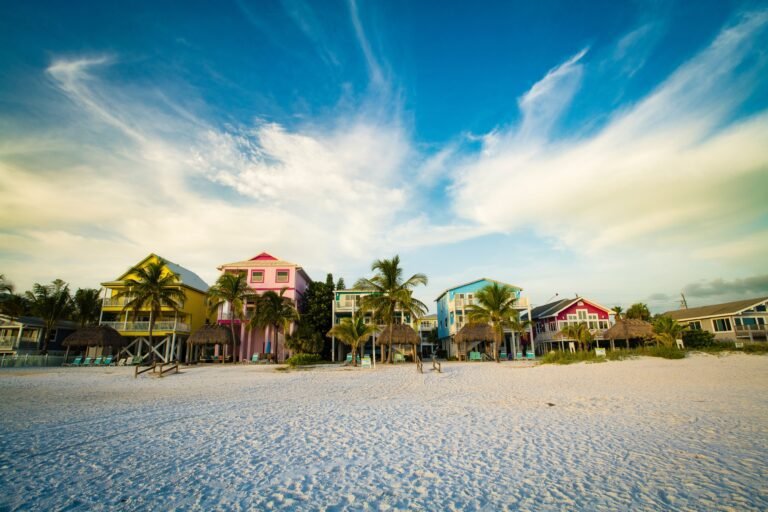
Seaside is where 30A’s reputation for intentional design began. Founded in the 1980s, it became a pioneer of New Urbanism, emphasizing walkability, front porches, and pastel-colored cottages radiating coastal charm. The town was planned like a real community, complete with a post office, central amphitheater, local shops, and food trucks, all within a short stroll.
Its town layout inspired a nationwide movement, and you might already recognize Seaside’s iconic skyline: it served as the backdrop for The Truman Show, chosen specifically for its idealized vision of American community life.
Design Identity:
- Pastel, wood-frame cottages
- Wide front porches & picket fences
- Communal green spaces & pedestrian-friendly grid
- A curated contrast of nostalgia and modernity
Alys Beach — Whitewashed Coastal Minimalism
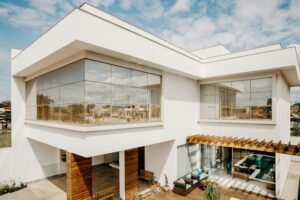
Alys Beach is where the Mediterranean meets the Gulf. With whitewashed walls, sculpted courtyards, and stark geometric lines, the town feels more like coastal Bermuda or the coast of Morocco than Florida.
Every structure is thoughtfully planned: from limestone pathways to low-key courtyard entrances and hidden art installations. Walking through Alys Beach is like moving through an architectural gallery; sunlit, serene, and cinematic.
Design Identity:
- All-white exteriors (Bermudian + Moorish inspiration)
- High walls and private courtyards
- Sculptural forms & geometric flow
- Public art woven into walkways and plazas
Architecturally bold yet peaceful, it’s one of the best beach towns for Florida visitors seeking design immersion over typical beach tourism.
WaterColor — Southern Coastal Elegance
WaterColor offers a softer, more natural expression of design, which is an elevated take on Southern coastal living. Wooden textures, muted palettes, and nature-inspired architecture define its aesthetic. The town feels woven into the surrounding landscape, with bike trails, boardwalks, and dune crossings thoughtfully integrated into neighborhoods.
It’s a community designed for slower mornings, long walks, and front-porch conversations. WaterColor is a favorite among travelers who appreciate craftsmanship, subtle details, and the beauty of materials left in their natural form.
Design Identity:
- Natural wood exteriors & soft color schemes
- Classic Southern porch layouts
- Pathways, trails, and green space integration
- A focus on livability rather than visual spectacle
For travelers who want to experience this style firsthand, curated WaterColor vacation rentals on Exclusive 30A offer stays explicitly selected for their architectural charm and design integrity, letting guests truly live within WaterColor’s signature style.
Rosemary Beach — European Influence on the Gulf
Rosemary Beach feels like a seaside village on the coast of Europe. Cobblestone streets meet Dutch and French-inspired building forms, while shops and cafés spill onto the walkways in intimate, village-like clusters. Pedestrian alleys, hidden courtyards, and lantern-style lighting create an atmosphere that feels romantic and intentional.
Everything here is walkable and, more importantly, visually coherent. Buildings were constructed to complement one another, creating harmony through color, elevation, and material.
Design Identity:
- Cobblestone streets & pedestrian-only lanes
- Dutch Colonial and French architectural roots
- Boutique shops & artisan craftsmanship
- Lantern-lit pathways and communal courtyards
How Design Shapes Culture & Experience Along 30A
Traveling across 30A reveals a truth: architecture is culture. Each town presents a visual language that reflects how people connect, slow down, and live. The parks, porches, and paths are more than amenities; they’re extensions of community philosophy.
In Seaside, public spaces encourage spontaneous gathering. In Alys Beach, courtyards offer privacy amid beauty. In WaterColor, trails subtly guide visitors toward nature. And in Rosemary Beach, urban density creates intimacy rather than congestion.
Where to Stay: Design-Conscious Vacation Rentals
In the past, accommodations were separate from a destination’s identity. Today, travelers look for places to stay that reflect the community’s personality, and 30A has embraced this shift. Vacation rentals are no longer generic; many are chosen based on their design story, architectural merit, and alignment with local style.
Across 30A, curated properties allow travelers to experience design not just visually, but as part of daily life. Whether it’s a New Urbanist cottage in Seaside or a courtyard villa in Alys Beach, staying in the right home brings the destination to life.
Design-forward vacation rentals offer:
- Authentic connection to the town’s aesthetic
- Residential layouts vs. hotel-based design
- Privacy, locality, and a stronger sense of place
- Architectural styles specific to each community
For design travelers, where you stay shapes how you see 30A. The home becomes part of the journey.
Ready to Explore 30A’s Design Story for Yourself?
30A proves that the most compelling destinations aren’t always the most famous; they’re the most thoughtfully designed. From Seaside’s iconic pastel cottages to the sculptural forms of Alys Beach and the quiet elegance of WaterColor, this region offers travelers more than scenery. It provides a sense of place.
Exploring 30A means walking through different design philosophies, each town its own aesthetic chapter. And when you stay in a home that reflects that story, travel becomes something more personal. More meaningful. More rooted in the experience of place..