



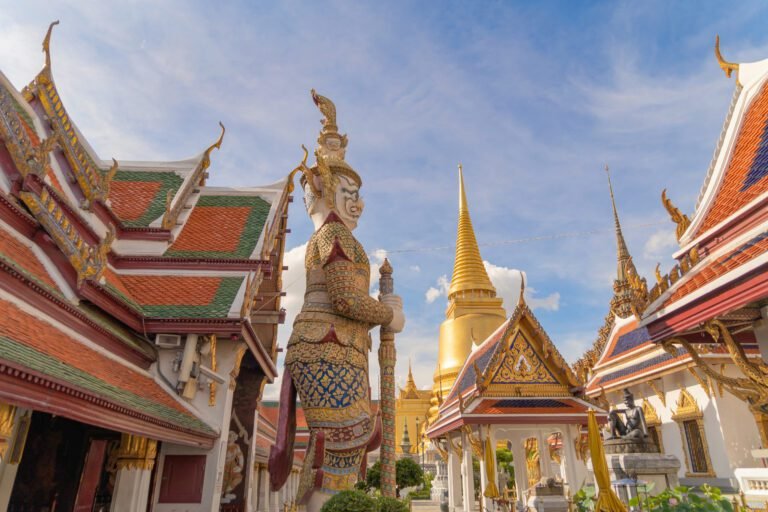
Bangkok is a city of sensory overload. Beneath the neon glow and kinetic energy lies a sophisticated layer of design that often goes unnoticed by the casual tourist. For the design-conscious traveller, the Thai capital offers more than just street food and temples; it presents a masterclass in modern tropical architecture and interior storytelling. Nowhere is this more evident than in the nightlife district of Sukhumvit, where venues are increasingly defined not just by their cocktail lists, but by their architectural merit and atmospheric depth.
Exploring a city through its social spaces offers a unique window into its creative soul. In Bangkok, the current wave of nightlife is incredibly bespoke. Architects and interior designers are transforming rooftops, shophouses, and hidden basements into immersive environments that blend Thai heritage with contemporary luxury.
The Architecture of Atmosphere
The most compelling venues in Bangkok understand that design is the primary driver of social interaction. It is no longer enough to simply provide a space; the space must evoke a feeling. This shift is evident in the rise of hybrid venues that blur the lines between indoor comfort and outdoor tropical energy. The goal is to create an environment where the architecture facilitates connection rather than just containing it.
When scouting for premier party places in Sukhumvit, discerning hosts and travellers now prioritise venues that offer a cohesive visual narrative. For instance, spaces like The Deck on Sukhumvit Soi 20 exemplify this trend by utilising a strategic indoor-outdoor flow. By integrating retractable roofs or open-air terraces with climate-controlled interiors, these venues solve the practical challenge of Bangkok’s humidity while framing the city skyline as a living art installation. The design does not just house the event; it becomes an active participant in the guest experience, shaping how people move and interact within the environment.
The Rise of the Speakeasy
While rooftops dominate the skyline, a different design movement is taking place at street level and above. The “speakeasy” trend in Bangkok has evolved from a mere gimmick into a serious discipline of interior design. These spaces are often characterised by a moody, cinematic quality, relying on shadow, texture, and historical references to transport guests to a different era.
Designers are increasingly treating these bars as set pieces for intricate narratives. For a masterclass in this intimate atmosphere, look to venues like Black Jade. As detailed by Design Anthology, the interiors of this hidden gem utilise dark timber and bronze to create a moody, narrative-driven experience that feels more like a private sanctuary than a public bar. The use of materials here is deliberate. It creates a tactile environment that encourages guests to slow down and engage with their surroundings, offering a respite from the frenetic pace of the city outside.
Connecting Creativity Across Borders
The pursuit of design-led travel is universal. The aesthetic principles that make a venue in Bangkok successful often share DNA with creative spaces around the world. It is about authenticity and the clever repurposing of space to tell a local story. Travellers who seek out these designed spaces often find that they provide a deeper understanding of local culture than standard tourist attractions.
This approach to exploration mirrors what we uncovered in our Design Lover’s Guide to Houston. Just as that guide highlighted how a city’s character is revealed through its art, food halls, and creative stays, Bangkok’s nightlife proves that the soul of a metropolis is best understood through its designed spaces. Whether you are in Texas or Thailand, the most impactful travel experiences occur where local creativity intersects with social connection.
Key Design Elements to Look For
If you are planning a design-focused tour of Sukhumvit’s nightlife, keep an eye out for specific architectural trends that are currently shaping the district. The best venues often feature:
- Biophilic Design: The integration of living walls, hanging ferns, and natural wood is crucial. This helps to soften the concrete urban environment and reconnects guests with nature even in the heart of the city.
- Adaptive Reuse: Look for old shophouses or warehouses converted into chic lounges. These projects preserve the original structural bones while adding modern amenities, creating a dialogue between the past and present.
- Lighting as Sculpture: There is a strong move away from flat, overhead lighting. Instead, custom installations serve as focal points and mood setters, defining the energy of the room.
- Tactile Surfaces: The use of velvet, brass, raw concrete, and reclaimed teak creates a rich sensory experience. This attention to texture ensures the experience goes beyond the visual and becomes something you can feel.
The Vertical Social Scene
Bangkok’s density has forced its social scene upward, resulting in a unique architectural typology: the vertical playground. Unlike cities with sprawling horizontal footprints, Sukhumvit builds its leisure spaces into the sky. This presents unique challenges for architects who must account for wind, rain, and structural weight while maintaining an aesthetic of effortless luxury.
The result is a collection of venues that feel suspended in the air. Glass balustrades, infinity-edge perimeters, and multi-level terracing allow for unobstructed views while creating distinct “zones” for conversation. It is a reminder that in a city as chaotic as Bangkok, design provides the necessary structure for relaxation. Next time you find yourself with a drink in hand above the city streets, take a moment to look past the view and appreciate the architecture that made the moment possible.