




A home is often the biggest investment we make, but its true value lies in the comfort and security it provides day after day. Making smart upgrades can significantly enhance that value, not just in terms of resale price but in your daily quality of life. Energy-efficient improvements are a powerful way to unlock your home’s hidden potential, transforming it into a space that is more comfortable, affordable, and sustainable for the future.
Investing in Your Home’s Future
When you think of your home as a long-term investment, you’ll want to look beyond just cosmetic updates. Energy upgrades are improvements that actually pay you back over time through lower utility bills and increased property value. When potential buyers are looking at homes, features like new windows, modern HVAC systems, and good insulation become major selling points. They signal a well-maintained and cost-effective property.
These upgrades are about more than just saving money; they’re about future-proofing your home. As energy costs continue to fluctuate, having an efficient home provides a buffer against rising prices. A series of thoughtful home energy efficiency upgrades not only makes your home more comfortable but also adds tangible value that real estate appraisers and savvy buyers recognize. It’s an investment in both your financial security and your everyday well-being.
Maximizing Efficiency, Minimizing Bills
One of the most immediate benefits of energy upgrades is a noticeable drop in your monthly bills. Older homes are often full of inefficiencies that quietly drain your bank account, from drafty windows to outdated heating and cooling systems. A key area for improvement is your home’s climate control system, which is typically the largest energy consumer.
Modern systems like heat pumps are designed for incredible efficiency. They work by moving heat rather than creating it, which allows them to both heat and cool your home using far less energy than traditional furnaces and air conditioners. To ensure you get the most out of these advanced systems, working with professionals who specialize in heat pump services is key for proper installation and maintenance. This ensures the unit is sized correctly for your space and operates at peak performance, maximizing your energy savings from day one.
Beyond Insulation: Whole-Home Approach
While adding insulation is a fantastic start, a truly energy-efficient home requires a more comprehensive strategy. Think of your home as a complete system where every part affects the others. A brand-new furnace won’t be very effective if heat is escaping through single-pane windows or gaps around your doors.
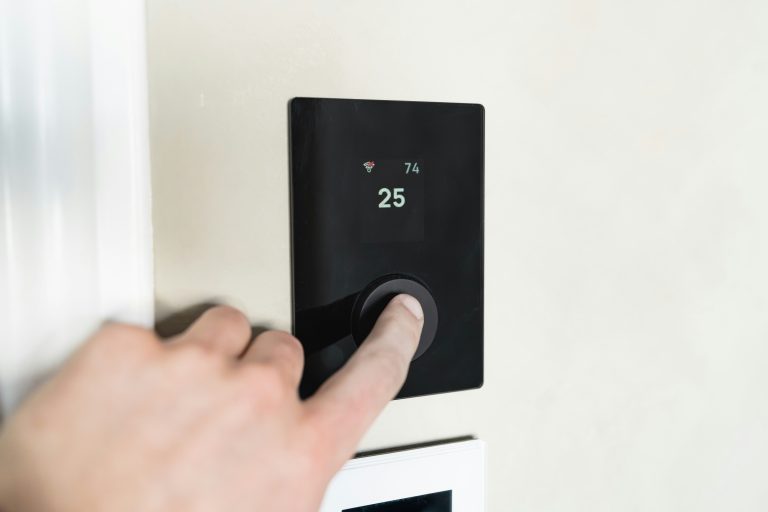
To get the best results, you need to look at the entire building envelope. This includes sealing air leaks in your attic, basement, and around windows; upgrading to double- or triple-pane windows; ensuring your ductwork is properly sealed and insulated; and installing a smart thermostat to optimize your heating and cooling schedules.
When you consider all the energy-saving improvement ideas available, you can create a prioritized plan that tackles the biggest energy-wasters first, leading to more significant and satisfying results.
The Appeal of Modern Systems
Today’s energy-efficient systems offer more than just savings; they provide a superior living experience. Gone are the days of loud, clunky HVAC units that cycle on and off with a roar. Modern heat pumps and high-efficiency furnaces operate so quietly you’ll barely notice they’re running. They also deliver more consistent temperatures, eliminating the hot and cold spots that plague older homes.
Many new systems also come with advanced features that integrate seamlessly into a smart home. You can control your thermostat from your phone, monitor your energy usage in real time, and even improve your home’s indoor air quality with built-in filtration and humidity controls. These upgrades enhance the comfort and health of your living space, making your home a more pleasant place to be.
Government Incentives and Rebates
Making significant home upgrades can feel like a big financial step, but you don’t have to do it alone. Federal, state, and even local governments often offer financial incentives to encourage homeowners to invest in energy efficiency strategies. These programs can significantly reduce the upfront cost of your project.
Look for tax credits, rebates, and low-interest loans for purchasing and installing qualifying equipment like heat pumps, energy-efficient windows, or insulation. Your local utility company may also have its own rebate programs for specific upgrades. A little research before you begin can uncover thousands of dollars in potential savings, making your investment even more attractive and affordable.
By thoughtfully upgrading your home’s energy systems, you’re not just cutting costs. You’re creating a more comfortable, valuable, and resilient home for years to come.