



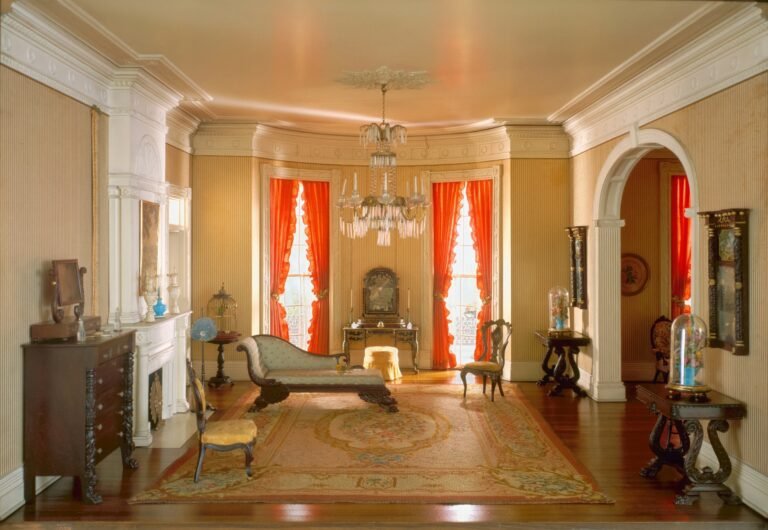
Living in a historic home is a special experience. You get to connect with a rich past through amazing craftsmanship and details you just don’t find in newer houses. But all that charm can come with a catch: comfort. Old or missing heating and cooling systems can make these beautiful places tough to live in. The good news is, you don’t have to pick between keeping your home’s original look and enjoying modern comfort.
The Charm of Historic Architecture
Old homes have a character you just can’t deny. Think intricate woodwork, plaster moldings, original hardwood floors, and those wavy glass windows. Each part tells a story from another time. Often, every detail was made by hand with a level of care that’s rare these days. If you own a historic property, your main goal is to protect these features. This commitment to historic preservation architecture makes sure your home’s special identity isn’t lost when you make needed updates. It’s all about celebrating the materials, layout, and design that make your house a real architectural treasure.
Balancing Aesthetics and Modern Needs
You want the comfort of central air conditioning and good heating, but you don’t want large ducts running through a historic dining room. A modern vent can also look out of place against a vintage plaster ceiling. That’s why heat pump service is so important. The trick is to approach these upgrades with an eye for preservation, finding solutions that work well while staying discreet.
Challenges of Updating Systems
Updating the climate control in an old house is rarely simple. Unlike modern homes built with HVAC in mind, historic properties throw a few curveballs. Many were built before central heating and air were even a thing, so there’s no existing ductwork to use. The walls, often thick plaster and lath, are hard to cut into without causing a lot of damage. Plus, spots that could hide equipment, like closets and attics, might be tiny or not even there. These building realities mean that a standard, off-the-shelf HVAC installation usually won’t work and could even permanently harm your home’s historic feel.
Specialized HVAC Solutions for Old Homes
Luckily, technology has caught up to these specific problems. Instead of messy traditional ductwork, homeowners can choose systems made for older buildings. High-velocity systems, for example, use small, flexible tubes that can be snaked through walls, ceilings, and floors with very little fuss. The vents are small, round, and easy to hide.
Another great choice is a ductless mini-split system. These systems have an outdoor unit connected to one or more indoor air handlers. Since they don’t need ducts, installation is much less invasive. You can mount the indoor units discreetly on walls or tuck them into ceilings. Modern heat pumps, which can be part of a ductless system, are super efficient for both heating and cooling, so definitely consider this heat pump buying guide. To keep these special units running perfectly for years, make sure to schedule regular professional heat pump service. That’s key to keeping them efficient and long-lasting.
Maintaining Period Integrity
Once you’ve picked a system, the last step is making sure it blends right into your home’s design. This is where paying attention to the little things really matters.
- Custom Vents: Forget standard metal grilles. Think about custom-made vents in wood or decorative metal that match your home’s style. These can be designed to look like they’ve always been there.
- Smart Placement: Work with your installer to put vents and indoor units in spots where they won’t stick out. This might mean placing them above doorways, inside built-in cabinets, or in less-used corners of a room.
- Paint and Finish: Paint vents, grilles, and even the casing of a mini-split unit to match the wall or ceiling color around them. This simple step helps modern parts disappear and become almost invisible.
By carefully planning your HVAC update, you can successfully bring your historic home into the 21st century without losing any of its timeless charm. You’ll end up with a home that’s just as comfortable to live in as it is beautiful to look at.