


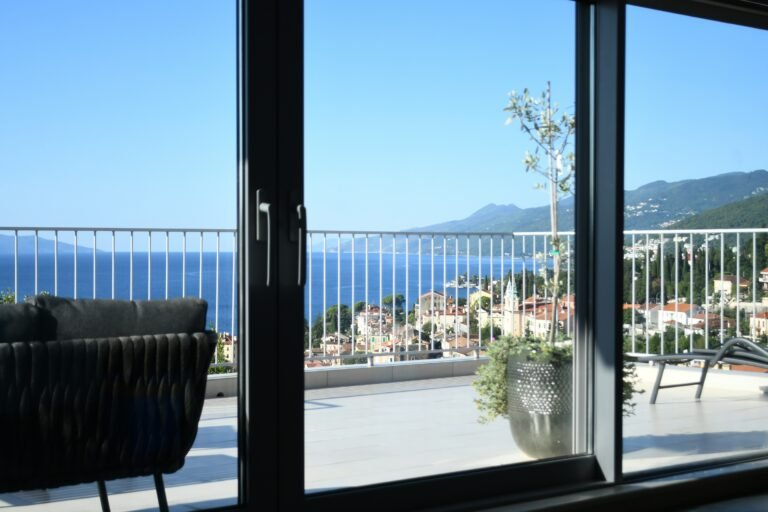
Creating a vacation rental that feels welcoming, functional, and beautiful is the goal of every host. However, true hospitality goes beyond aesthetics. It considers how every guest moves through and experiences a space. With thoughtful choices, you can design a rental that is both visually appealing and accessible for a wide range of travelers to enjoy.
Start With a Thoughtful Layout
Accessibility begins with how a space flows. Clear pathways, uncluttered rooms, and intuitive layouts make a rental easier to navigate for everyone, from families with strollers to older travelers. Rearranging furniture to allow for wider walkways and minimizing sharp turns can make a significant difference without changing the overall look of your space.
Opt for open layouts where possible, and ensure frequently used areas, like the living room, kitchen, and bedroom, are easy to reach. Even small adjustments, such as lowering a side table, can subtly enhance usability while maintaining a cohesive design.
Choose Stylish Yet Functional Furnishings
Furniture can be both elegant and practical. Look for pieces that provide comfort and support, such as sofas with firm cushions and chairs with armrests that assist with sitting and standing. Avoid overly delicate or unstable items that may be difficult for some guests to use.
Materials also matter when choosing furnishings. Non-slip rugs, matte finishes, and sturdy surfaces can help prevent accidents while adding texture and warmth to your design. The key is selecting items that blend seamlessly into your aesthetic while quietly improving safety and comfort.
Elevate the Bathroom Experience
Bathrooms are one of the most important areas to consider when improving accessibility. Simple upgrades like installing grab bars, using a walk-in shower, and ensuring adequate lighting can make the space safer and more user-friendly. To make your vacation more inclusive, opt for an accessible bathroom design to better accommodate your senior guests and other individuals with physical challenges.
Improve Lighting and Visibility
Good lighting enhances both ambiance and accessibility. Layered lighting, combining ambient, task, and accent sources, ensures that every area is well-lit and visually appealing. Dim corners or harsh glare can make navigation difficult, so aim for balanced illumination throughout the rental.
Consider adding motion-sensor lights in hallways or bathrooms for added convenience. Natural light is also a powerful design element; maximizing it not only brightens your space but also makes it feel more open and inviting.
Focus on Details That Make a Difference
Small design decisions often have the biggest impact. Lever-style door handles are easier to use than traditional knobs, and contrasting colors between walls, floors, and furniture can help define spaces more clearly.
Thoughtful placement of switches, outlets, and storage also improves usability for a wide range of guests. Technology can play a role as well. Smart locks, voice-controlled devices, and easy-to-use appliances can simplify the guest experience while adding a modern touch to your rental.
Endnote
Designing an accessible vacation rental is ultimately about empathy; anticipating the needs of different guests and responding with thoughtful solutions. By blending functionality with style, you can create a space that not only looks beautiful in photos but also feels welcoming in reality.
When accessibility is integrated seamlessly into your design approach, it becomes an asset rather than a compromise. The result is a rental that stands out, earns positive reviews, and offers every guest a more comfortable and memorable stay.