



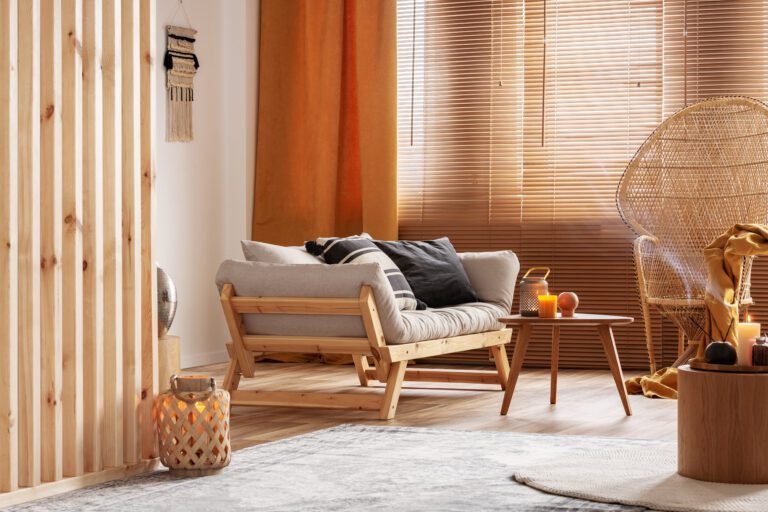
A beautiful home is not only about what people see. It is also about what they feel the moment they walk into a room. Color, texture, warmth, and scent all shape that response. A woven throw can make a chair feel more inviting. A ceramic mug can turn a quiet afternoon into a ritual. A warm meal can bring comfort that changes the mood of the entire space.
That is part of what makes thoughtful gifting so interesting from a design perspective. After reviewing research on sensory design, color, and emotional response, one idea stands out: the most memorable objects in a home are often the ones that engage more than one sense. They do not just sit on a shelf. They create an experience.
A comfort gift does exactly that. It arrives as packaging, but it quickly becomes part of the room. The box adds color to a countertop. The wrapping adds anticipation. The textures invite touch. The meal adds aroma and warmth. Together, those details can make a space feel softer, calmer, and more cared for.
Why Sensory Design Has Such a Strong Emotional Effect
People respond to their surroundings in both visual and physical ways. Research on interior environments shows that color, materials, and texture can influence how a space is perceived emotionally. When a room feels warm and layered, people tend to read it as more welcoming and restorative.
That same principle applies to gifting. A thoughtfully packaged TLC get-well care package can feel less like a shipment and more like a curated moment. The design choices matters when it comes to gifts that include home decor. Not only that, but packaging that can be displayed in your home, or used again to share future gifts. A clean presentation creates calm. Soft paper or ribbon adds a tactile quality. Cheerful colors bring lightness. A package with visual balance and inviting materials makes an impression before it is ever opened.
This matters in a living space, where every object either enhances the atmosphere or disrupts it. A well-designed comfort package fits naturally into the home. It feels intentional, not random. Set on a kitchen island or dining table, it can read almost like part of the room’s styling, but with a purpose beyond display.
That balance is what makes design-led gifting so appealing. It does not rely on flashy details. It relies on harmony. The box, the colors, the textures, and the contents all work together to create one clear feeling: ease.
How Color and Texture Turn Packaging Into Experience
Color is often the first thing people notice, even before they fully register shape or detail. It sets the tone quickly. Softer shades tend to feel calming, while brighter accents can add energy and optimism. Packaging that leans warm, fresh, and welcoming can lift the feel of a room the moment it arrives.
This does not mean every gift has to be dramatic. In fact, the strongest designs often use restraint. Clean neutrals, comforting tones, and subtle contrasts can feel more elevated than loud palettes. They allow the gift to blend into the home while still feeling special.
Texture works just as hard. Smooth paper, sturdy boxes, cloth-like finishes, and hand-tied elements give the recipient something to connect with physically. That tactile experience builds care into the design. It slows the moment down and encourages attention. Instead of tearing through the package, the recipient moves through it step by step.
That sequence is what turns a delivery into a sensory event. First comes the sight of the packaging. Then the touch of the materials. Then the aroma of the meal. Then the warmth of holding the bowl. Each layer builds on the one before it.
From a design perspective, that is powerful. It shows that people do not only respond to beauty as decoration. They respond to beauty that can be handled, smelled, tasted, and used. In other words, the most effective design is often the design that lives well in real life.
Why a Warm Meal Completes the Space
A comfort gift has an advantage that many beautiful objects do not. It adds function to the atmosphere.
A delivered soup package, for example, not only looks thoughtful, but it can change the rhythm of the room. It encourages someone to set out a bowl, warm the soup, sit down, and pause. It creates a small ritual. That ritual can bring a feeling of stability, which is often what people want most when they are under the weather or emotionally drained.
This is why a meal gift can feel so much more personal than a standard package. It supports the home as a lived space. It invites rest. It makes the kitchen or dining area feel active in a comforting way. There is beauty in that, especially for people who value homes that feel curated but still deeply usable.
It also speaks to a larger design truth. The most meaningful interiors are not built from objects alone. They are built from experiences. The smell of soup warming on the stove, the softness of paper wrapping, the warmth of a bowl in hand, these are the details that make a home memorable.
That is also what makes this kind of gift feel generous without feeling excessive. It enhances the room while still serving a real need. It is beautiful, but it is also grounding.
A More Thoughtful Way to Bring Beauty Home
A meaningful sensory experience at home rarely comes from one dramatic design move. More often, it comes from small details working together, color that softens the eye, texture that invites touch, and warmth that makes a room feel lived in.
That is why comfort gifting has such a strong design appeal. It is not only about presentation. It is about how presentation, material, and function work together to create well-being. A thoughtfully packaged meal does more than arrive looking lovely. It adds warmth to a space, supports a moment of pause, and turns everyday comfort into something that feels carefully curated.
When a gift can nourish, calm, and enhance the room around it, it becomes more than packaging. It becomes part of the beauty of the home.