







Ever packed for a trip, only to realize halfway there that you forgot your hiking boots, phone charger, and the one jacket you actually like? If you’re heading to the Smoky Mountains, a little extra planning isn’t just helpful—it can save the trip. The region’s weather shifts, road access changes, and gear needs don’t care how excited you are. In this blog, we will share the essential pre-trip prep you need to make your Smoky Mountains visit smooth and stress-free.
Know the Roads Before You Know the Trails
Most travelers assume national parks are open spaces you just show up to and wander through. That assumption doesn’t hold up in the Smokies. This place runs on a rhythm shaped by elevation, unpredictable weather, and the kind of seasonal changes that turn clear roads into ghost routes. If you’re planning to drive deep into the park—or even slightly off the main path—you need to understand access first, not last.
Not all roads in the Smokies are open year-round, and the difference between a stress-free arrival and an hours-long detour often comes down to what’s open when you visit. While primary routes like Little River Road, and Cades Cove Loop Road usually stay open throughout the year, many secondary roads operate on strict seasonal schedules. Some, like Heintooga Ridge and Parson Branch, close for months at a time. High clearance vehicles are required for a few of them, and certain roads completely prohibit anything larger than a van.
If you’re mapping a route, confirm your timing lines up with road accessibility. As of recent advisories, Great Smoky Mountains road closures tend to follow a predictable seasonal cycle, but unexpected weather—like spring snow or early ice—can throw a wrench in plans fast. What looks passable online may not be once you’re halfway up a mountain road with no signal. Always check updated closure notices the day before your drive and again the morning you leave. Download offline maps. Don’t rely on cell service to save you once you’re in the thick of the woods.
Pack Like a Local, Not a Tourist
Packing for the Smokies isn’t about how much you bring. It’s about whether what you bring will still make sense on Day 3 when the weather has changed twice and the cozy jacket you wore in town is suddenly soaked, muddy, or missing a zipper. Tourists tend to overpack or pack wrong—heavy coats in the middle of spring, or summer clothes that ignore sudden drops in temperature after sunset. Locals know better.
Temperatures here don’t stay steady. They swing wildly from valley floor to mountaintop. You might start your morning in mild weather and hit patches of mist and chill before lunchtime. If you’re not layering, you’re gambling. Start with moisture-wicking base layers and stack from there. Always bring rain protection, even on clear days. The Smokies are a rainforest in disguise. Storms roll in with little warning, and you won’t enjoy waiting one out under a tree.
Footwear gets ignored until someone rolls an ankle. Don’t be that person. Sturdy, waterproof hiking boots with ankle support make a big difference. Sneakers might survive a flat trail or two, but most paths will humble you. Pack extra socks, and don’t forget that dry clothes matter more than stylish ones when the weather turns. You can post pictures later. Right now, you want to be warm, dry, and able to keep walking.
Tech Prep Isn’t Optional
We’ve reached the point where most people assume their phones will do the heavy lifting—directions, weather, photos, restaurant searches. But the Smoky Mountains still have a way of making that reliance feel foolish. Mobile coverage is limited. In many areas, it doesn’t exist at all. So while your phone might be your best friend in the city, it quickly becomes dead weight in the park unless you prep ahead.
Download maps in advance. Whether you’re using Google Maps, Gaia, or AllTrails, make sure the maps are available offline and clearly show elevation, road conditions, and route distances. Don’t trust your memory. That “easy” trail you read about on a blog two weeks ago might not be easy now, or even marked the same way.
Battery backups aren’t luxury items here. They’re essentials. Cold weather drains devices fast, and if you’re relying on your phone for a flashlight, compass, or emergency contact, you need a power source that lasts longer than a few Instagram videos. Throw in a portable charger and a cord that isn’t frayed from use. Keep them dry. Ziplock bags work in a pinch.
Food, Water, and the Things Everyone Assumes Will Be There
People show up to national parks assuming someone else thought ahead. They expect water fountains, bathrooms, vending machines, or a corner shop where they can grab what they forgot. That’s not how it works. In the Smokies, there are no convenience stores once you’re deep in. There’s you, your gear, and whatever you brought—or didn’t.
Pack more water than you think you’ll need. A single bottle won’t cut it, especially if you’re hiking or out all day. Reusable containers with filtration options are worth considering. Streams might look clean, but you don’t want to gamble on water purity mid-hike. Dehydration sneaks up fast and ruins trips even faster.
Snacks should be high-calorie, low-effort. Think nuts, jerky, granola, and dried fruit. You’re not building a five-course meal in your backpack. You’re staving off fatigue and mood swings. Don’t underestimate how miserable a low blood sugar crash can make a scenic walk.
Bathrooms are sparse, and even when they exist, they might be locked or under repair. Carry basics like hand sanitizer, tissue, and anything else you’d want in a no-plumbing scenario. It’s not glamorous, but it’s practical.
Think Beyond the “Instagram Moment”
The Smokies aren’t designed for quick hits. You can’t capture their scale or mood in a single picture. The weather changes, the light shifts, the silence deepens. If you’re racing through with a checklist of photo ops, you’ll miss what makes the trip worth taking in the first place.
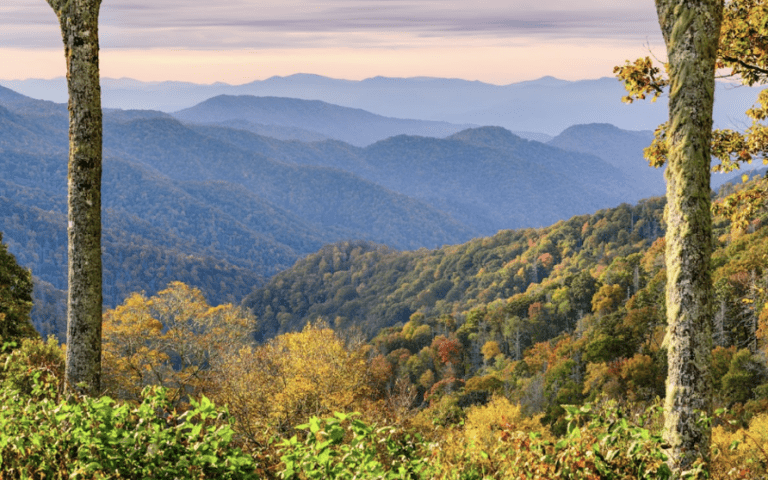
Preparation helps you slow down. When you know your routes, have reliable gear, and aren’t second-guessing whether you packed right, you’re free to pay attention. You stop rushing from place to place and start noticing details—how the mist hangs between trees, how the wind sounds different in higher elevations, how the ground feels under different types of boots.
And maybe that’s part of the shift happening more broadly. People are starting to value intentional travel again. After a few years of canceled plans, screen fatigue, and nonstop digital noise, trips like these aren’t just about sightseeing. They’re about recalibration. But that only happens when you aren’t distracted by preventable mistakes. Prep well, and you don’t just visit the Smokies—you actually experience them.