



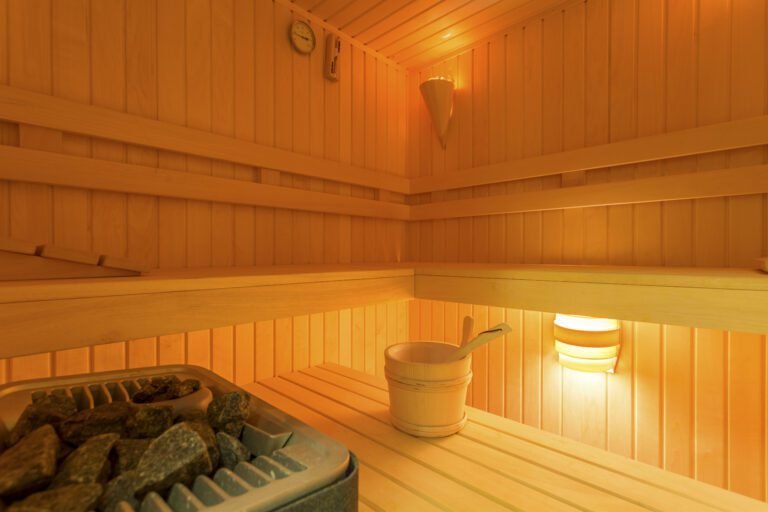
Stepping into a sauna feels almost old fashioned at first, like something borrowed from another era when people trusted heat, rest, and patience more than hacks or apps. But there is a reason saunas keep finding their way back into modern fitness centers, hotels, and even private homes. Heat does more than make you sweat. It nudges the body into a state that supports recovery, circulation, and resilience in ways that feel simple but add up over time.
For people looking to support physical health without piling on another intense workout, sauna use sits in a sweet spot. It asks very little while offering a lot in return. You sit, you breathe, you let the warmth do the work. That ease is part of the appeal, but the benefits run deeper than comfort.
What Happens Inside the Body When the Heat Turns Up
When you settle into a sauna, your body responds quickly. Heart rate rises, blood vessels widen, and circulation improves as the body works to cool itself. This reaction mimics some of the cardiovascular effects of moderate exercise, even though you are seated. Blood moves more freely through muscles and joints, delivering oxygen and nutrients while helping carry away metabolic waste.
This increased circulation plays a role in improving physical wellness, especially for people who spend long hours sitting or dealing with stiff joints and tired muscles. The heat encourages muscles to relax, which can ease everyday tension and support flexibility. Many people notice that they move more comfortably after a sauna session, not because anything was forced, but because the body was given permission to loosen its grip.
Sweating also plays a supporting role. While it is not a detox miracle, sweating does help regulate body temperature and can support skin health by clearing pores. Combined with hydration, this process leaves many people feeling refreshed rather than depleted.
Circulation, Heart Health, and That Post Sauna Glow
One of the most studied benefits of sauna use is its effect on cardiovascular health. As heart rate increases and blood vessels expand, circulation improves throughout the body. Over time, regular sauna use has been linked to better vascular function and lower strain on the heart during everyday activity.
This matters because circulation touches nearly every system. Better blood flow can support muscle recovery after workouts, reduce feelings of heaviness in the limbs, and help maintain steady energy levels. That flushed, relaxed feeling after a sauna session is not just a surface level glow. It is a sign that blood is moving efficiently, delivering what tissues need and clearing what they do not.
For people easing back into movement after injury or periods of inactivity, sauna sessions can complement light exercise routines. They do not replace movement, but they can make the body feel more prepared for it.
Recovery Without the Grind
Physical recovery does not always require pushing harder. In fact, rest is where much of the rebuilding happens. Sauna use supports this process by encouraging muscle relaxation and easing post workout soreness. The warmth increases tissue elasticity, which can make stretching feel more natural and less forced.
Many athletes use sauna sessions as part of their recovery routine for this reason. But the benefit is not limited to people training intensely. Anyone dealing with everyday aches from long commutes, desk work, or repetitive tasks can find relief in consistent heat exposure.
There is also something psychologically grounding about the routine itself. Taking time to sit still in a warm environment can help the nervous system shift out of a constant state of alert. When stress levels drop, muscles often follow, creating a feedback loop that supports physical recovery without additional effort.
Finding Access That Fits Your Routine
Not everyone has space or interest in installing a sauna at home, and that is fine. Access is easier than it used to be. Many fitness centers now include saunas as part of their amenities, and some standalone wellness spaces focus specifically on heat therapy.
If you search the phrase”gyms with sauna near me” you can find a gym that meets your needs, you will likely discover options you did not realize were nearby. Some places offer traditional dry saunas, while others feature infrared heat, which operates at a lower temperature but still encourages deep warmth and sweating.
The best choice is the one that fits naturally into your routine. Consistency matters more than intensity. Short, regular sessions often deliver more benefit than occasional long stays that feel like an endurance test.
Using Sauna Time Wisely and Safely
While sauna use is generally well tolerated, it works best when approached with a little common sense. Hydration matters. Drinking water before and after sessions helps the body manage fluid loss from sweating. Listening to your body matters too. Feeling relaxed and warm is the goal, not dizzy or drained.
Starting with shorter sessions allows the body to adapt. Many people find that ten to fifteen minutes is plenty at first. Over time, tolerance can increase naturally. Cooling down gradually afterward, whether through a shower or simply resting, helps the body transition smoothly back to its normal state.
Sauna pairs well with other healthy habits like light movement, stretching, and regular sleep. It does not need to be framed as a cure or a performance tool. Think of it as supportive background work that helps the body stay resilient.
Heat as a Sustainable Wellness Tool
The appeal of sauna use lies partly in its simplicity. There is no gear to master, no metrics to chase, no pressure to outperform yesterday. You show up, sit down, and let the heat do what it has done for centuries.
In a wellness landscape crowded with trends that demand constant effort, sauna time feels refreshingly grounded. It supports circulation, recovery, and physical comfort without asking you to prove anything. That makes it easier to stick with, which is often the real key to lasting benefits.
Saunas are not about shortcuts. They are about creating space for the body to function as it was designed to, responding to warmth with circulation, relaxation, and repair. Used consistently and thoughtfully, sauna sessions can become a steady anchor in a physical health routine, offering support that feels both ancient and surprisingly modern.