



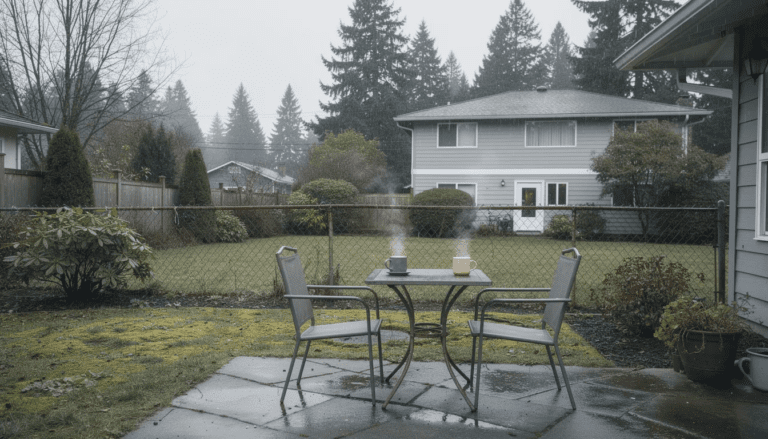
In early 2023, a Bellevue couple realized their backyard no longer supported the way they wanted to live. The worn-out chain link fence offered little privacy and left the space feeling exposed. They wanted structure, but also a retreat aligned with Pacific Northwest design principles: understated, connected to the landscape, thoughtful about materials.
This wouldn’t be a simple fence replacement. It became a study in Washington fence design that treated boundaries as architecture rather than afterthought. Within their first consultation, they turned to Cool Cat Fence, the local professionals who understood both the region’s demanding climate and the psychology of creating an outdoor sanctuary. What began as a fencing problem evolved into reimagining how their yard could function as outdoor rooms.
The tipping point came one February afternoon when they tried to have coffee outside and felt completely visible to the house next door.
The Starting Point: A Yard Without Definition
The property followed a typical Bellevue suburban layout: roughly a third of an acre, gently sloping, ringed by an aging chain link that did little beyond marking property lines. The existing fence offered no privacy, no wind protection, and frankly, no beauty.
The couple had specific needs. Space for outdoor dining that didn’t feel like performing for neighbors. A protected corner for reading. Defined garden beds the dog couldn’t destroy. The challenge: create enclosure without losing light or severing visual connection to surrounding Douglas firs and western red cedars.
The Vision: Creating Outdoor Rooms Through Strategic Fencing
The first real planning conversation happened at their kitchen table in late February, rain tapping the windows. Instead of thinking about “a fence,” they began thinking in outdoor rooms.
What if the dining area had its own walls? What if the garden became a distinct zone with lower boundaries? What if that awkward corner by the garage transformed into an intimate reading nook?
The yard was reimagined as functional zones. Taller sections would shield key areas. Lower panels would preserve openness where it mattered. Cedar emerged as the natural choice for its ability to handle moisture while aging gracefully into the Pacific Northwest’s signature silver-gray patina.
Height variations became central. Full privacy at six feet for the dining terrace and reading corner. Four-foot open slats for the garden. The concept drew inspiration from Japanese garden principles, particularly ma – the intentional space between elements.
The Design Process: Materials and Styles That Work in Washington
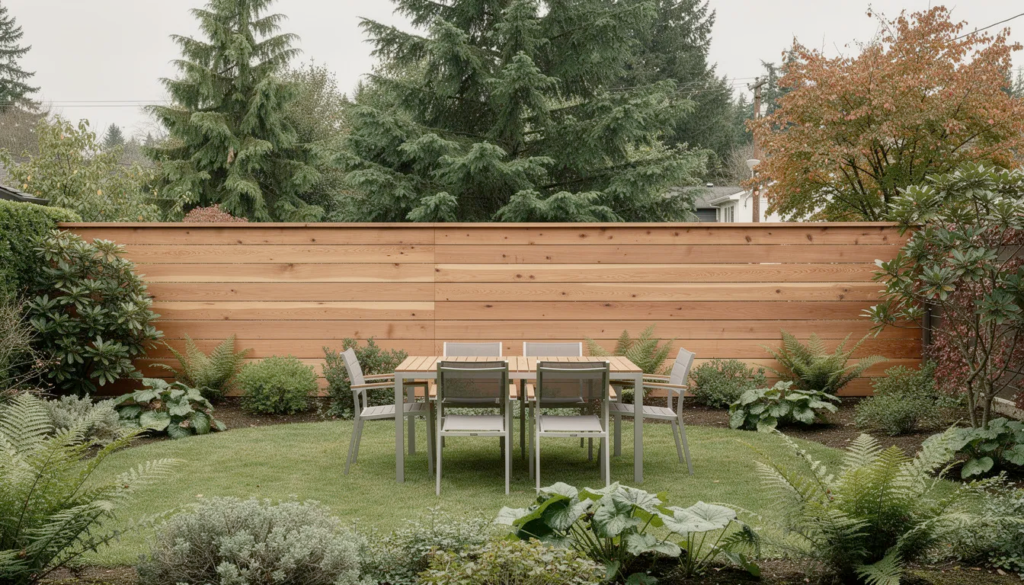
Western red cedar was selected for its natural resistance to rot, dimensional stability in wet climates, and the way it weathers without looking worn. Horizontal board orientation echoed the home’s contemporary lap siding and reflected current Washington fence design trends.
Working with an experienced residential fencing team, they navigated Washington’s building codes early. In most residential zones, fences over six feet require permits. Front yard fences typically max out at four feet to maintain neighborhood sightlines. Addressing these constraints during planning prevented delays and costly revisions.
Specific style decisions took shape. Six-foot horizontal cedar slats would wrap the dining terrace, creating an outdoor room that felt both sheltered and connected to trees beyond. Four-foot open-slat panels would define garden beds. A solid L-shaped panel would enclose the reading corner and block sightlines from neighboring property.
The color question resolved itself through research. Rather than a solid stain that obscures wood grain, they chose a rich semi-transparent finish that enhances cedar’s natural character. The same principle that makes Pacific Northwest homes feel grounded: let materials be themselves.
Gate placement prioritized daily flow. A wide gate between driveway and backyard for wheelbarrows. A narrower passage from the reading nook to the side yard. Small details that affect how comfortably a space functions over years.
Construction details mattered more than they’d initially realized. Posts set in gravel-filled holes rather than pure concrete allow drainage and prevent the base rot that plagues many Washington fences. They chose natural aging over fighting it. Cedar maintenance means occasional cleaning and re-staining every three to five years, but the material develops character rather than looking shabby.
The Transformation: How Strategic Fencing Redefined Their Outdoor Living
Installation began in late April. As the old chain link came down, the yard immediately felt larger. The new cedar fence went up in sections over ten days.
The dining terrace emerged first. Wrapped by six-foot horizontal slats on two sides, it suddenly felt like an actual outdoor room. The fence blocked wind from the west, reduced street noise, and created shelter without blocking the view of trees overhead.
The garden area took shape next. Four-foot open-slat fencing defined raised beds on three sides, keeping the dog confined while allowing air circulation and light for vegetables. The slats cast interesting shadow patterns in the morning sun.
The reading corner surprised them most. The L-shaped solid panel created an intimate alcove that felt genuinely private, blocking sightlines from neighbors while framing a view toward their own backyard evergreens. It became the spot for morning coffee, even during Seattle’s famously gray drizzle.
Unexpected benefits emerged. The fence dampened street sound. Wind protection extended their outdoor season by weeks. Thoughtful gaps at ground level allowed small wildlife corridors – something they’d learned from conservation-minded Washington fence design principles.
Design Principles Any Homeowner Can Apply
Their experience distilled into lessons applicable to any Washington yard transformation.
Start with how you want to live outdoors, not just privacy metrics. They initially thought they wanted “maximum privacy everywhere.” The real need was strategic enclosure for specific activities. That clarity prevented over-building.
Vary fence height based on function. Uniform six-foot fencing creates a walled-in feeling. Strategic variation: tall where privacy matters, lower where connection matters, makes spaces feel layered rather than confined.
Match materials to climate and architecture. Cedar works in Washington because it handles moisture naturally. The horizontal orientation echoed their home’s siding, creating visual flow. Fence lines that repeat architectural details feel cohesive.
Think in rooms with defined purposes. Their fence created bones for distinct zones. Intentional openings prevented the yard from feeling sealed off, particularly important in neighborhoods where homes sit close together.
Verify local codes before planning. Height limits, setback requirements, and HOA restrictions vary across Washington. Bellevue, Seattle, Tacoma, and Spokane all have different rules.
Budget for quality upfront. Proper footings and durable materials cost more initially but outlast cheap alternatives by years. A consultation with a reputable fence contractor who understands Pacific Northwest conditions clarifies actual costs.
The Lasting Impact: One Year Later
By early summer 2024, the cedar had begun its natural transformation toward soft silver-brown, the patina that defines Pacific Northwest wood architecture. Climbing hydrangeas had taken hold on select sections. Morning glories threaded through the open slats.
The yard that once felt like a pass-through now functions as a genuine retreat. They use the dining terrace three to four times per week from May through October, compared to maybe once a month before. The reading corner gets morning use even during drizzle, the fence blocks enough wind to make fifty-degree mornings with coffee comfortable.
Hosting changed too. Dinner parties moved outside more naturally. Friends comment on how the yard feels larger than its actual square footage, a spatial trick achieved through defined rooms.
Mental health benefits were unexpected but real. Having a genuinely private outdoor space reduced the background stress of feeling observed.
Maintenance has been minimal. One spring cleaning to remove winter debris. No staining required yet, though they’ll likely re-coat in year three.
If they could redo anything, they’d add one more gate between the garden and reading corner for easier access with harvest baskets. But that’s a minor quibble in a project that fundamentally changed how they experience home.
The fence didn’t just define their yard. It redefined how they live in it.