



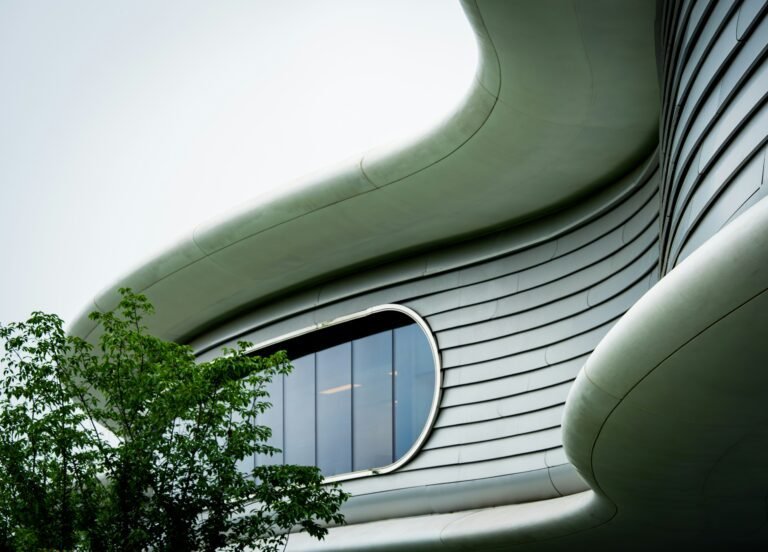
When it comes to making a home more energy efficient, most homeowners think of insulation, solar panels, or energy-efficient appliances. But windows—specifically curved windows—play a far more important role than many realize. According to the U.S. Department of Energy, of the $2,000 the average American household spends on energy each year, $200 to $400 is lost due to drafts, air leaks, and inefficient systems—much of that related to windows and doors. Traditional flat windows, especially older or poorly sealed models, can be significant sources of heat loss in winter and heat gain in summer. Curved windows, although often recognized for their striking aesthetics, are increasingly acknowledged for their contribution to energy-efficient home design.
This article explores how curved glazing enhances thermal performance, how it’s made, and the science behind why it works.
What Is Curved Glass, and How Are Curved Windows Made?
Curved glass, also called bent or radius glass, is a specially fabricated glazing product shaped into an arc rather than remaining flat. Curved windows can range from gentle bows to dramatic half-circle or full wrap-around glass walls. They’re increasingly used in both residential and commercial architecture for their modern look, but also for their functional benefits. To create curved windows, a flat pane is heated in a high-temperature kiln until it becomes soft and pliable—typically at around 600°C (1100°F). Once at the right temperature, the glass is slowly bent over a custom mold. Then begins a carefully controlled cooling process known as annealing. During this phase, the glass cools slowly so that the molecules can align and lock into place in the desired shape. This meticulous balance of time and temperature ensures structural integrity and a smooth, flawless curve. The result is not just a stunning visual element but a highly engineered product capable of supporting energy-efficient performance.
How Curved Windows Improve Energy Efficiency
Curved windows aren’t just beautiful—they can be smart. Here are four key ways in which they improve home energy efficiency:
1. Curvature Can Optimize Solar Gain and Reduce Heat Loss
The shape of curved glass allows sunlight to enter a space at multiple angles throughout the day. This helps maintain a more consistent indoor temperature by maximizing solar gain in colder months. In winter, the gentle arc of the glass can gather more low-angle sunlight, warming up interior spaces naturally.
In the summer, the same curvature can work with strategic overhangs or shading systems to deflect excessive solar heat, reducing cooling loads. Unlike flat windows, curved glazing can be tailored to the sun’s path to improve passive solar performance.
Additionally, modern curved windows are often double or triple-glazed, significantly minimizing heat loss through the glass compared to single-pane systems.
2. Advanced Low-E Coatings for Thermal Control
Just like their flat counterparts, curved windows can be treated with low-emissivity (low-E) coatings. These microscopically thin layers of metallic oxide are nearly invisible but highly effective at reflecting infrared heat.
In winter, low-E coatings help reflect indoor heat back into the room, reducing energy needed for heating. In summer, they block infrared radiation from the sun, keeping interiors cooler without overusing air conditioning. When applied to curved glazing, low-E coatings maintain their full thermal performance, offering year-round efficiency without compromising aesthetics.
3. Curved Insulating Glazing Units (IGUs)
Thanks to advancements in fabrication, curved glass can now be manufactured as insulating glazing units (IGUs)—the same type of high-performance windows used in modern energy-efficient homes. IGUs consist of two or more layers of glass separated by a spacer and sealed to form a single unit with an insulating air or gas-filled space in between (often argon or krypton).
Curved IGUs provide the same thermal resistance and condensation control as flat IGUs. In fact, the curvature can sometimes help minimize air leakage points when properly framed, reducing drafts and improving airtightness in the building envelope.
4. Seamless Integration and Reduced Thermal Bridging
Curved windows often allow for fewer joints and frame interruptions compared to multiple segmented flat panes used to create a similar shape. Fewer joints mean fewer opportunities for heat to escape or enter the building. This can significantly reduce thermal bridging—the loss of heat through framing materials or structural elements that connect the indoors and outdoors.
When custom-fit by experienced professionals, curved windows also allow for more precise sealing, improving both thermal and acoustic insulation.
Curved vs. Flat Windows: Energy Modeling Insights
Energy modeling simulations have shown that homes designed with optimized window geometry—such as angled or curved glazing that maximizes daylight and minimizes solar heat gain—can reduce overall energy consumption by 10–20% compared to those with conventional flat glazing, depending on climate and orientation.
In colder climates, curved windows facing south can enhance passive heating strategies. In warmer regions, they can be designed to deflect midday sun while still admitting diffuse natural light. When paired with smart shading systems and proper ventilation, curved windows can significantly reduce heating and cooling demands—making them a valuable addition to any sustainable home design.
Conclusion: Aesthetic Elegance Meets Energy Efficiency
Curved windows are more than an architectural flourish. They offer functional advantages that make homes more comfortable, sustainable, and efficient. From advanced thermal coatings and multi-pane configurations to enhanced passive solar performance, curved glazing is a powerful tool in modern energy-conscious design.
As energy costs rise and building codes evolve, integrating features like curved windows into residential projects isn’t just about design—it’s about performance. With careful planning, high-quality fabrication, and proper installation, bent glass can help homeowners curve their energy use in the right direction—downward. For more ideas on how to elevate your home, do read our home décor posts.